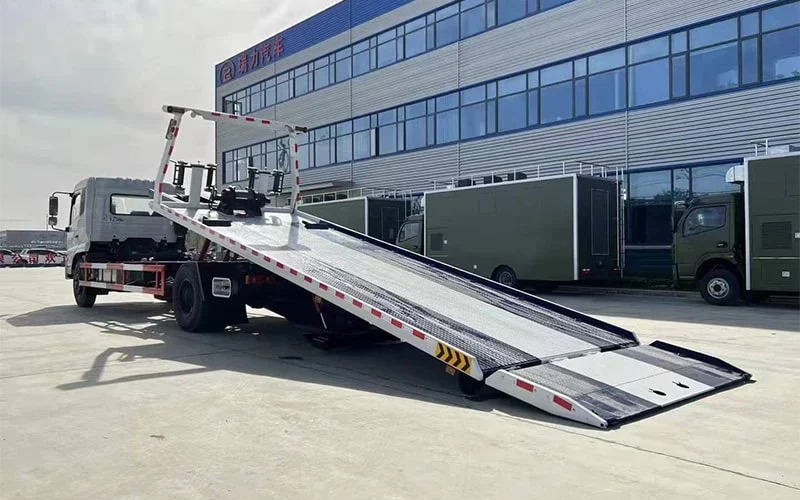
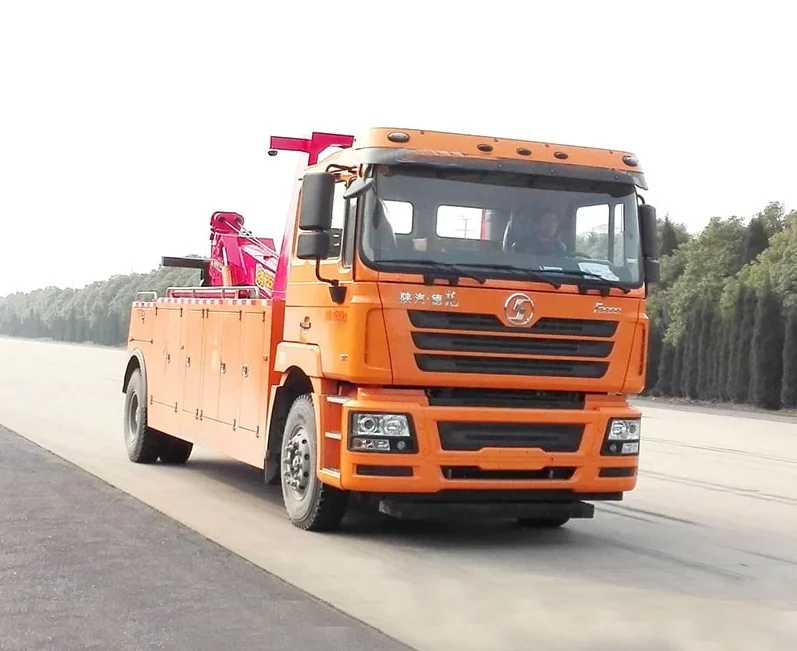
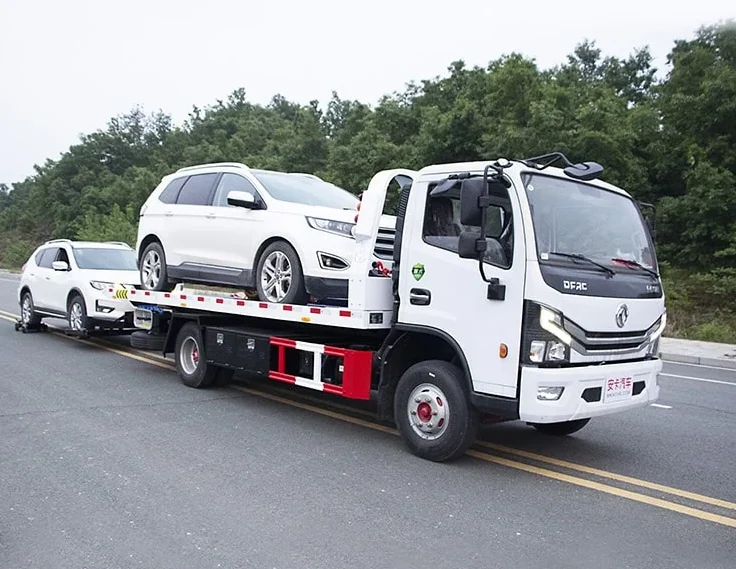
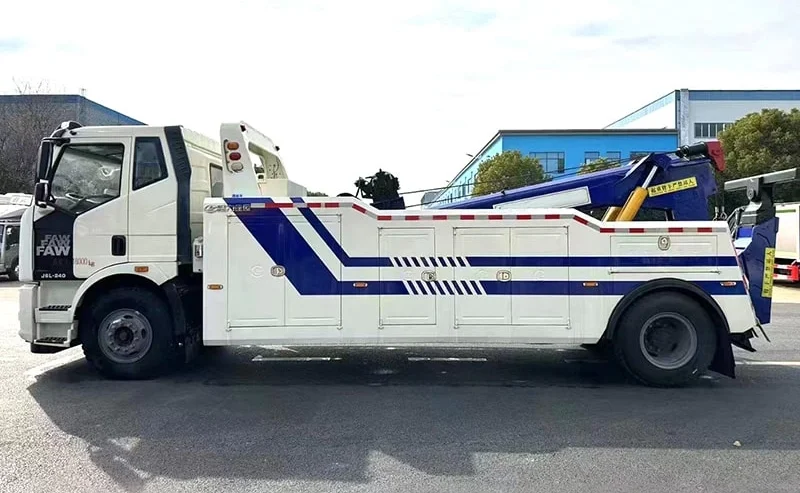
A towing wrecker is a specialized recovery vehicle designed to move disabled, damaged, or improperly parked vehicles safely and efficiently. Unlike standard tow trucks, a towing wrecker integrates lifting, pulling, and stabilizing systems that allow operators to handle complex roadside situations. From urban streets to highways and industrial zones, towing wreckers play a critical role in keeping traffic flowing and reducing secondary accidents.
As vehicle numbers continue to grow worldwide, demand for professional recovery solutions has increased. A well-configured towing wrecker is no longer limited to emergency response—it is also widely used in logistics support, fleet maintenance, municipal operations, and infrastructure projects.
Modern towing wrecker designs reflect years of practical experience. Reinforced frames, hydraulic systems, and adaptable towing mechanisms enable a single vehicle to perform multiple recovery tasks. This evolution allows operators to respond faster, work more safely, and reduce damage to the recovered vehicle.
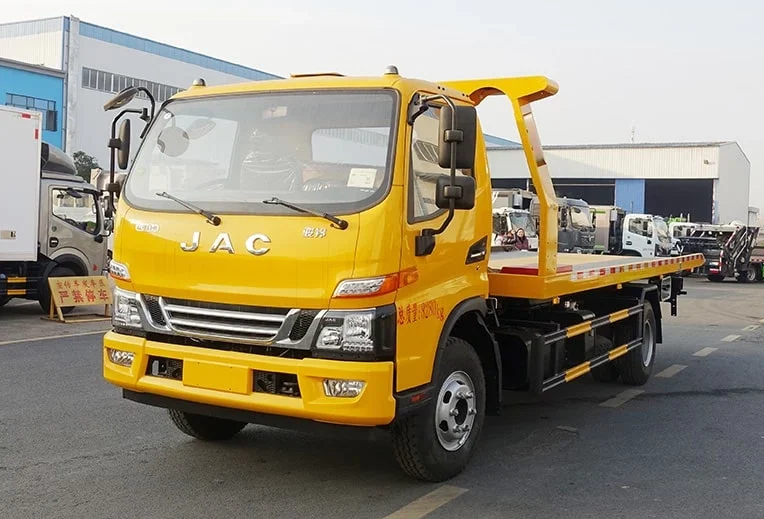
Safety is central to every towing wrecker. Clear sightlines, intuitive control layouts, and stable lifting geometry help reduce operator fatigue and minimize risks during roadside operations. These features are especially valuable when working in low-visibility or high-traffic environments.

The versatility of a towing wrecker allows it to serve a wide range of industries and operational scenarios. Its ability to adapt to different vehicle sizes and conditions makes it an essential asset for both public and private operators.
In dense urban areas, compact towing wrecker configurations allow precise maneuvering in tight spaces. For highways and long-distance routes, heavier configurations provide the stability and power required to recover larger vehicles efficiently.

Compared with general-purpose towing solutions, a towing wrecker delivers measurable operational advantages. These benefits extend beyond towing capacity and directly impact efficiency, safety, and service quality.
These advantages make towing wreckers a strategic investment for organizations focused on reliable recovery operations.
| Specification | Typical Configuration |
|---|---|
| Towing Capacity | 3–20 tons depending on model |
| Recovery System | Hydraulic wheel lift or underlift |
| Winch Rating | 4–12 tons line pull |
| Chassis Structure | High-strength steel frame |
| Control Type | Manual or hydraulic-assisted operation |
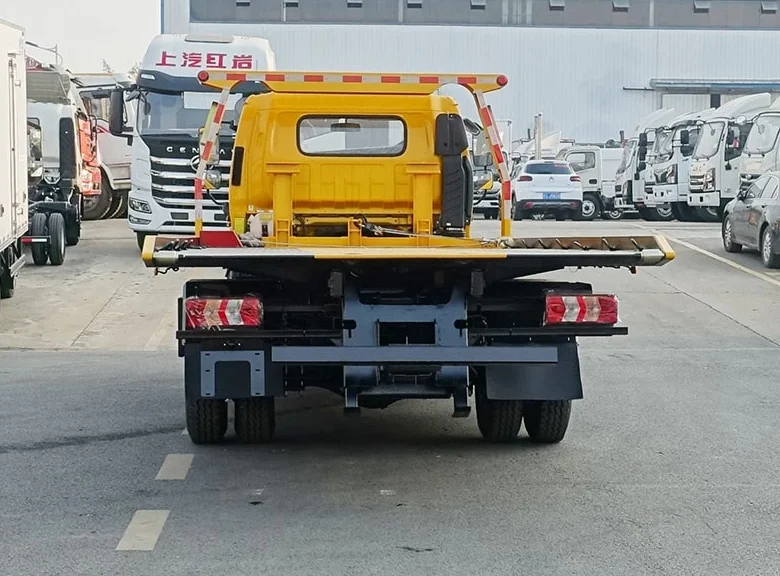
Selecting the right towing wrecker depends on the typical vehicle types encountered, operating environment, and required response speed. Proper specification ensures stable performance and extends service life while maintaining safety standards.
A towing wrecker is an essential tool for modern recovery and support operations. Its combination of strength, adaptability, and safety-focused design enables operators to handle roadside challenges with confidence. Whether supporting traffic management, fleet services, or industrial logistics, towing wreckers provide dependable performance where it matters most.
For organizations planning to expand or upgrade their recovery capabilities, consulting with experienced professionals can help identify the most suitable towing wrecker configuration for long-term operational success.