A big tow truck is a purpose-built recovery vehicle designed to handle large, heavy, or disabled vehicles that exceed the capacity of standard towing units. Commonly used on highways, industrial zones, and construction corridors, a big tow truck plays a vital role in maintaining traffic flow, ensuring safety, and supporting commercial transport operations. From recovering disabled trucks to clearing accident scenes, this type of vehicle is engineered for demanding, high-load situations.
As global logistics and heavy transportation continue to expand, the importance of reliable big tow truck solutions has increased. These vehicles are not only tools for emergency response but also strategic assets for fleet operators, infrastructure managers, and roadside service providers.

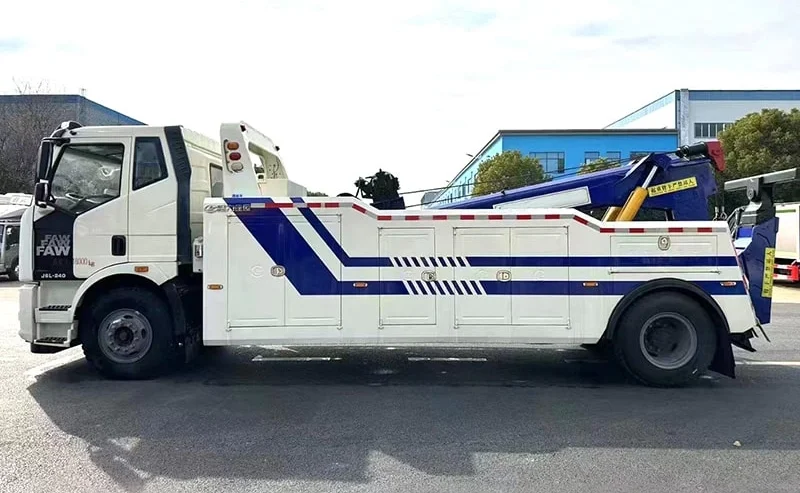
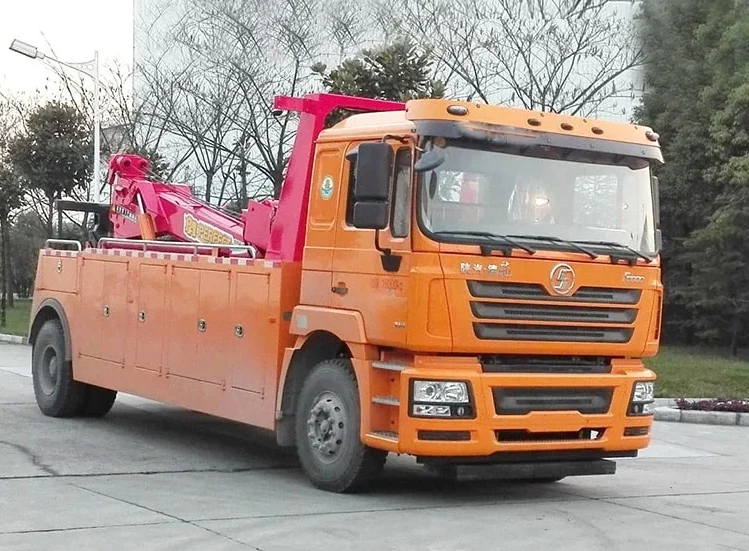
A big tow truck is engineered with a reinforced chassis, powerful lifting systems, and advanced stabilization components. Unlike light-duty tow trucks, it must safely manage extreme weights while maintaining balance and control during recovery or transport. The overall design prioritizes durability and operational safety under continuous, high-stress use.
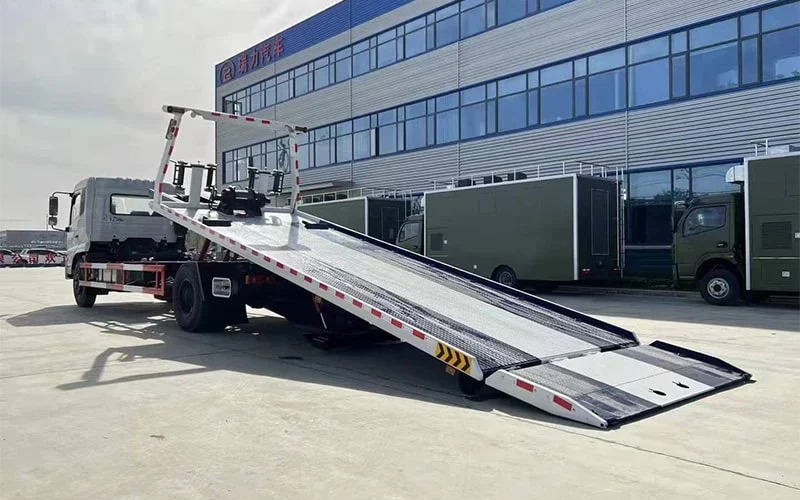
The vehicle shown exemplifies these principles through its robust body structure, rear-mounted recovery equipment, and integrated tool compartments, allowing operators to perform complex towing tasks efficiently in real-world conditions.
A well-designed big tow truck also considers operator efficiency. Controls are positioned for ease of use, while visibility from the cab supports safer maneuvering in confined or high-traffic environments. These details help reduce recovery time and improve overall job-site safety.
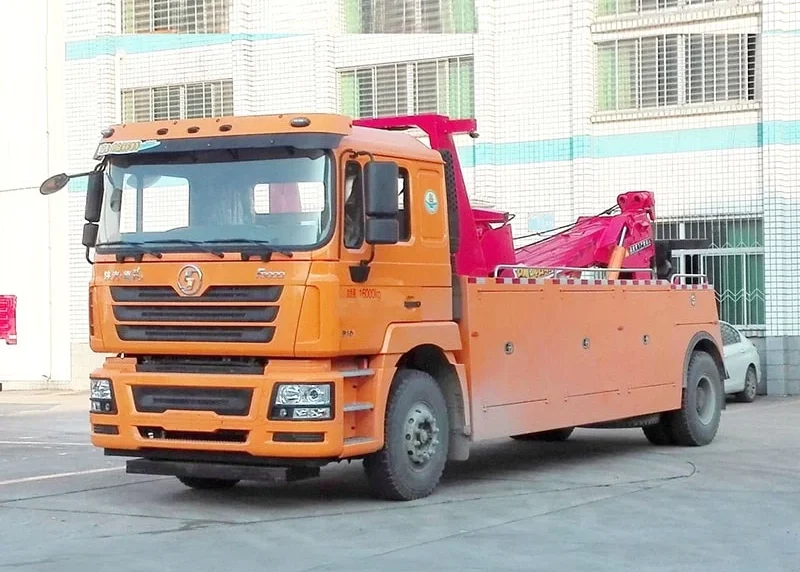
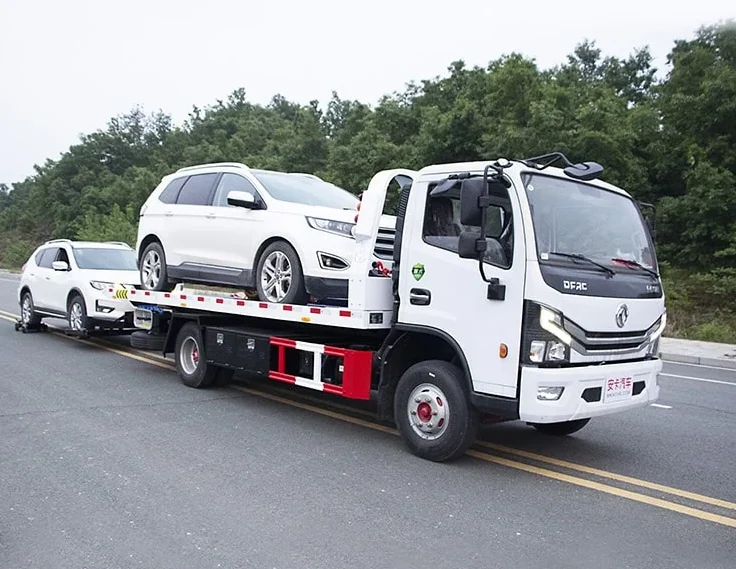
The versatility of a big tow truck allows it to serve multiple industries and operational scenarios. Its capabilities extend beyond emergency towing to planned transport and vehicle repositioning.
In each of these contexts, the ability to respond quickly and manage heavy loads safely makes a big tow truck an essential component of professional towing operations.
Choosing a big tow truck provides several operational advantages compared to smaller towing solutions, especially when handling high-value or oversized vehicles.
These benefits contribute to reduced downtime, better asset protection, and improved service reliability for operators and clients alike.
| Specification | Typical Range |
|---|---|
| Towing Capacity | 20–50 tons |
| Recovery System | Hydraulic underlift or boom |
| Winch Capacity | 20–40 tons line pull |
| Stabilization | Hydraulic outriggers |
| Application Vehicles | Heavy trucks, buses, equipment |
Selecting the right big tow truck configuration depends on typical recovery scenarios, vehicle sizes, and operating environments. Higher towing capacity and advanced stabilization are critical for highway recovery, while compact maneuverability may be more important in urban or industrial zones.
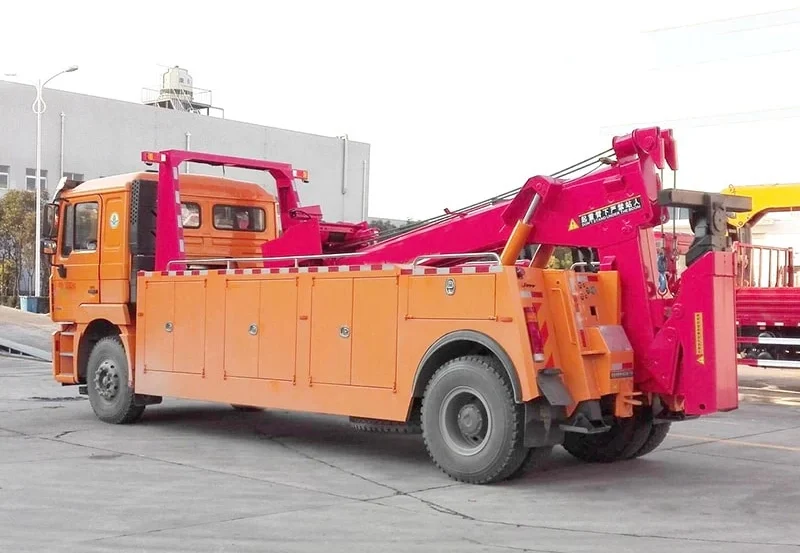
A big tow truck is more than a recovery vehicle—it is a cornerstone of professional heavy-duty towing operations. Its combination of strength, control, and adaptability enables safe and efficient handling of large vehicles in challenging situations. Whether supporting commercial fleets, managing roadside incidents, or assisting infrastructure projects, a well-equipped big tow truck delivers dependable performance where it matters most.
For organizations seeking to enhance their heavy recovery capabilities, evaluating big tow truck options based on real operational demands is a strategic step toward safer, more efficient towing operations.