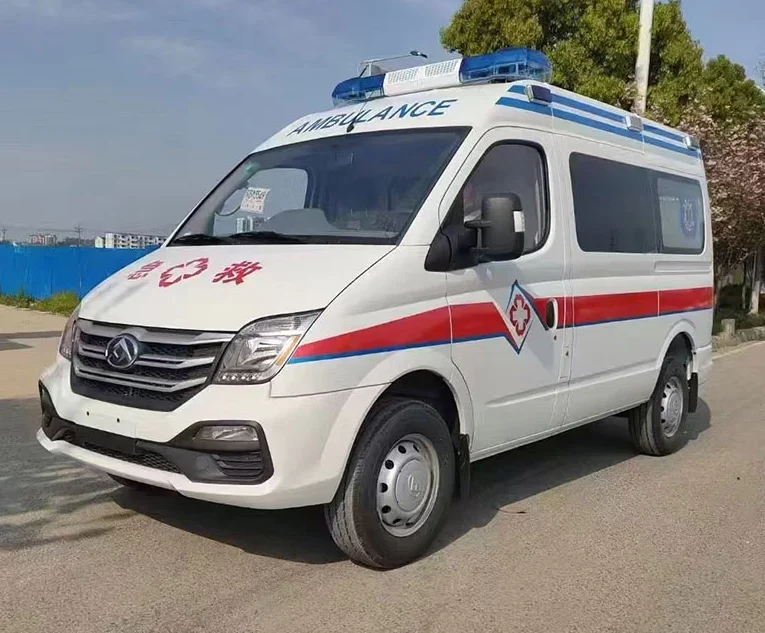
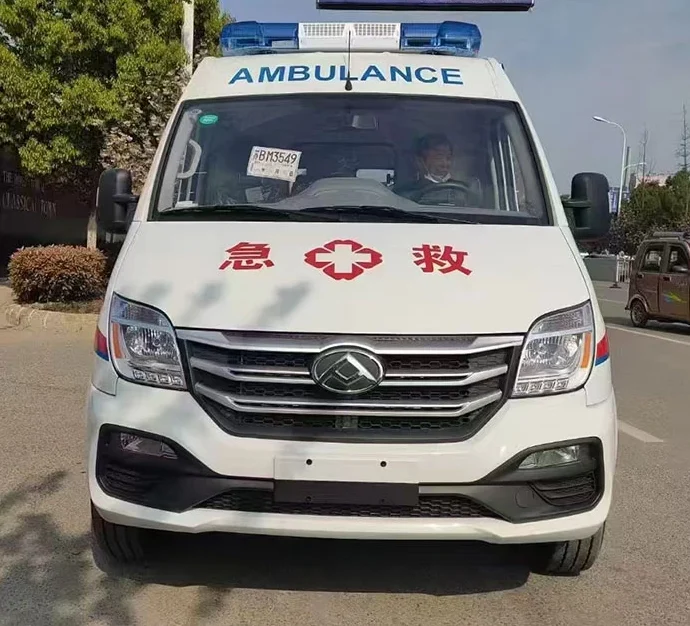
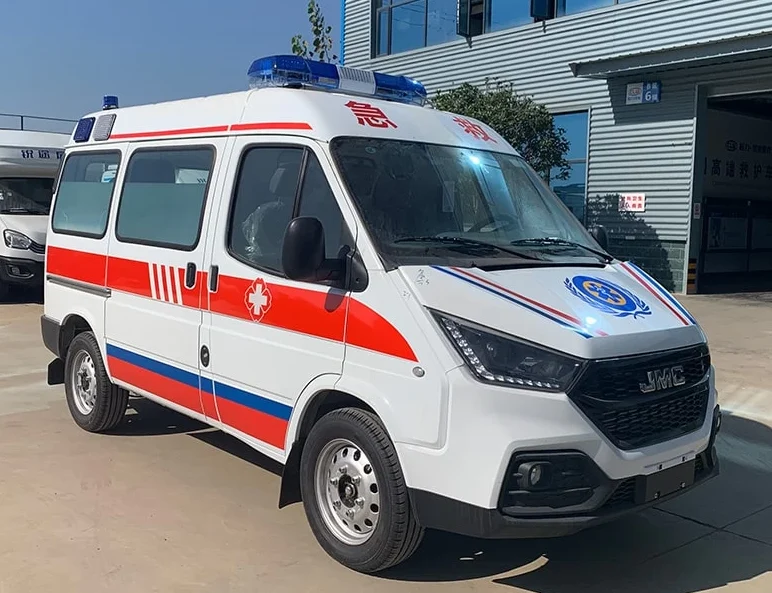
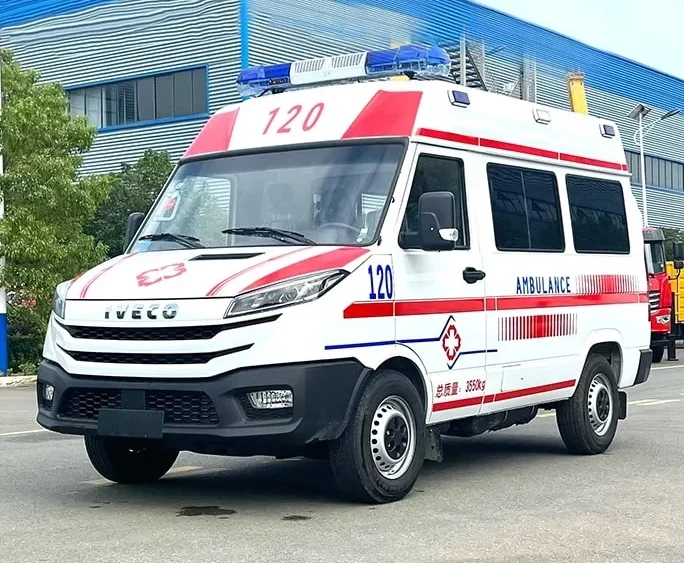
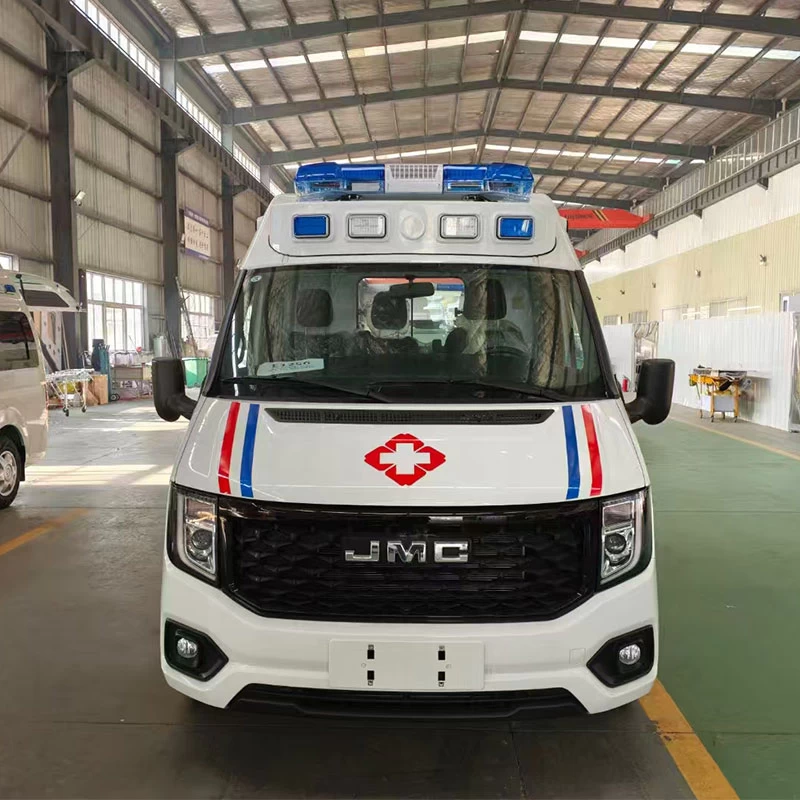
Mobile medical emergency vehicles have become an indispensable part of today’s healthcare and disaster-response systems. Designed to deliver medical support directly to the location where it is needed, these specialized units offer a fast, reliable, and highly adaptable platform for emergency treatment. Instead of transporting patients immediately to a hospital, these vehicles bring essential medical resources to them—improving outcomes, speeding reaction time, and strengthening community resilience.
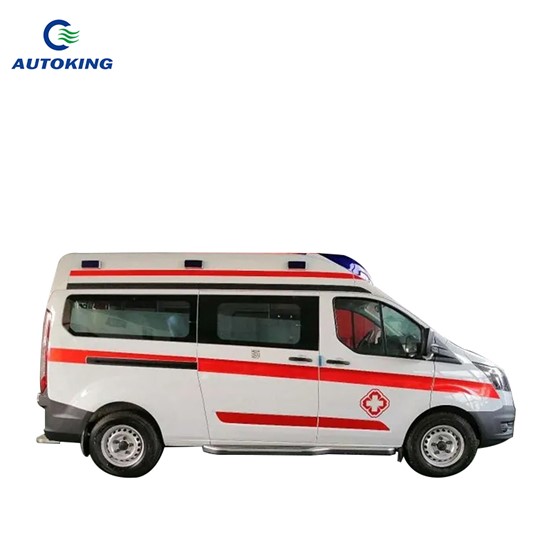
As cities grow and remote regions become more accessible, rapid medical intervention is more critical than ever. Mobile medical emergency vehicles address this need by functioning as compact, mobile extensions of healthcare facilities. They support first responders, field nurses, and rescue teams by offering diagnostic tools, first-aid resources, stabilization equipment, and in some cases, advanced treatment capabilities.
These vehicles are not limited to accident sites. They serve multiple roles across fire response, community outreach, public health operations, and disaster-relief missions.
To operate effectively in diverse environments, mobile medical emergency vehicles include a range of specialized components and systems:
These features collectively enable medical teams to operate independently, even under unpredictable conditions.
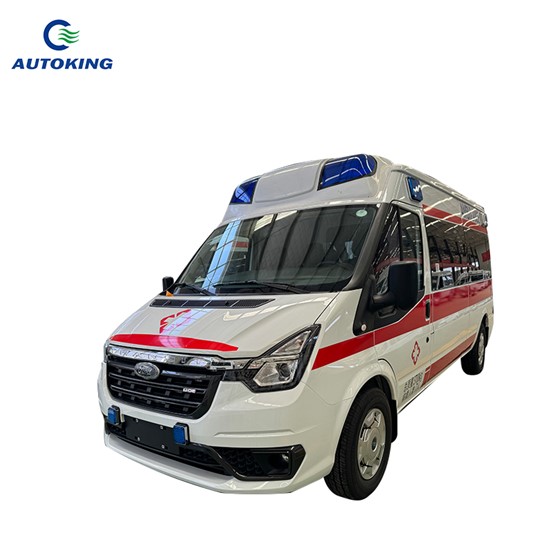
The adaptability of these vehicles allows them to perform effectively across many industries and operational settings:
These applications highlight their value in environments where stationary medical facilities are insufficient or too distant.
Compared to traditional emergency vans or basic ambulances, these vehicles provide deeper operational advantages:
These advantages make them essential for governments, emergency agencies, and large organizations.
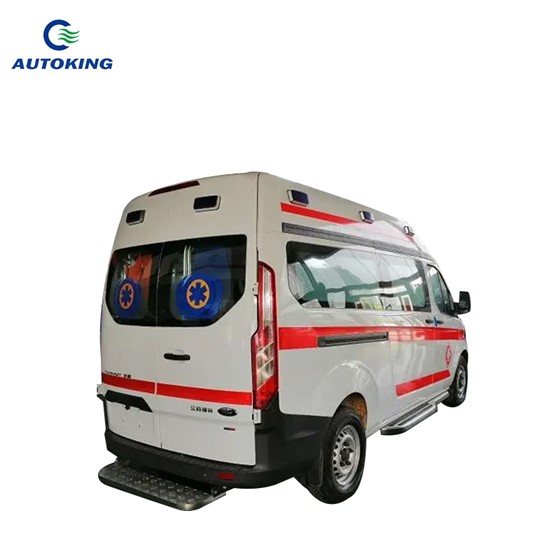
The table below illustrates a typical configuration for mobile medical emergency vehicles, showing common elements found in many models:
| Category | Specification |
|---|---|
| Vehicle Type | Van / Pickup-based Medical Unit / Light Rescue Vehicle |
| Medical Equipment | Oxygen supply, trauma kits, AED, monitoring devices, first-aid tools |
| Power System | Independent generator or battery backup system |
| Interior Layout | Modular cabinets, stretcher space, sanitation sections |
| Communication | GPS tracking, hospital link system, radio and data hubs |
| Lighting | High-intensity LED emergency lights & interior medical lights |
| Mobility | 2WD / 4WD configurations for varied terrain |
| Safety Features | Anti-slip flooring, fire extinguishers, emergency exits |
These vehicles reshape the way medical services are delivered. Instead of waiting for patients to arrive at fixed locations, healthcare can now meet communities exactly where emergencies occur. This is especially vital during storms, floods, epidemics, or large public events. The combination of mobility, equipment capacity, and trained personnel makes mobile medical emergency vehicles a critical component of modern health infrastructure.
If your organization aims to improve emergency readiness, expand outreach programs, or upgrade field medical operations, mobile medical emergency vehicles offer a fast and effective solution. Their adaptability, medical capability, and operational reliability make them a smart investment for both public and private sectors.
Feel free to contact us for detailed configurations, customization options, or deployment solutions tailored to your emergency service needs.