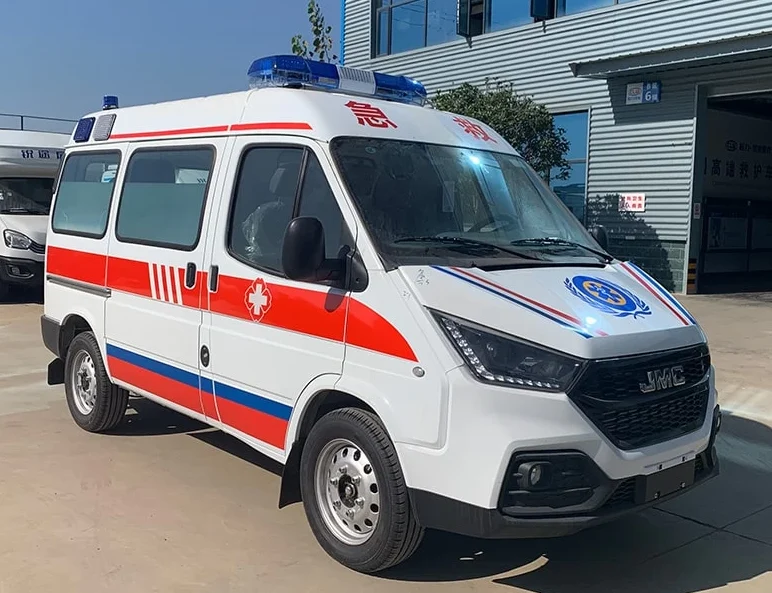
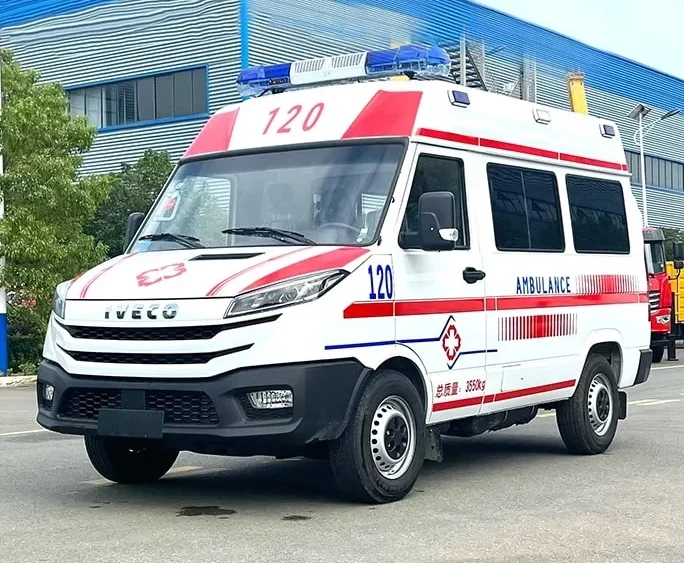
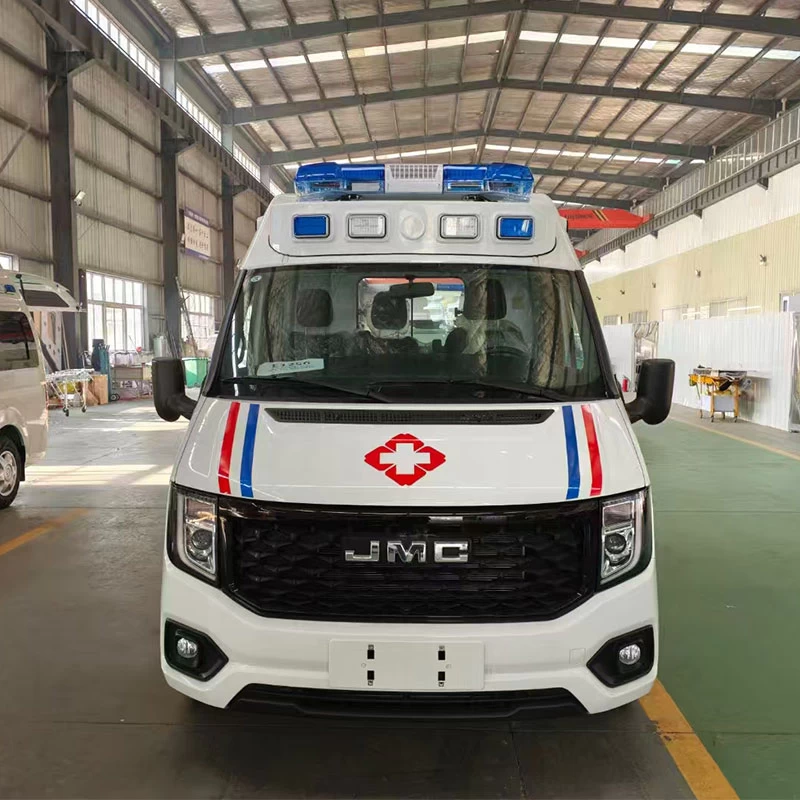
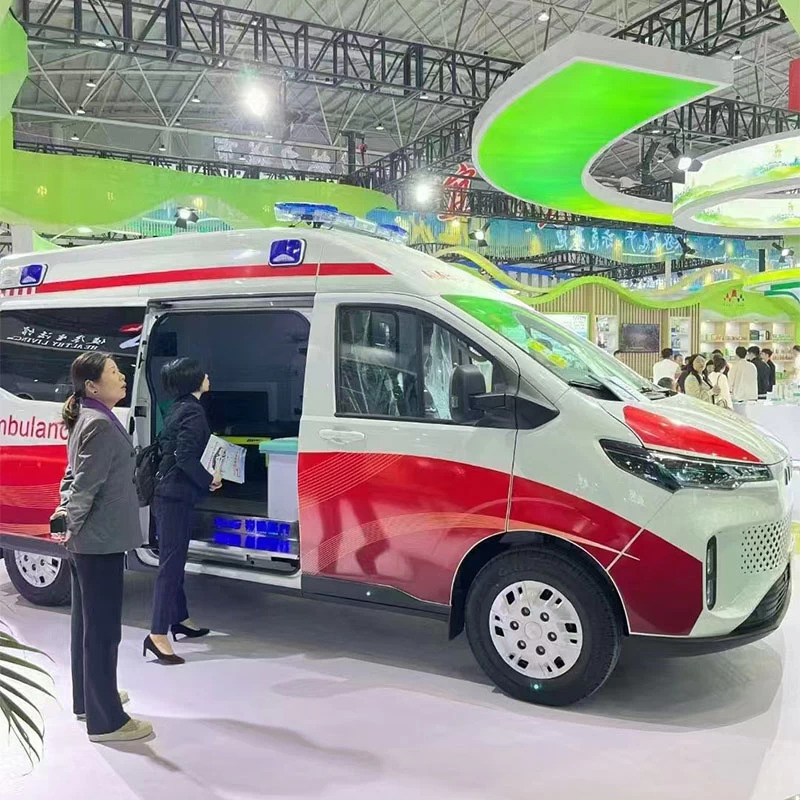
Mobile medical emergency vehicles serve as on-the-move treatment centers designed to rapidly bring urgent care to people in critical situations. Whether responding to traffic accidents, natural disasters, or sudden medical crises in remote areas, these vehicles are configured to stabilize patients and deliver essential medical support before or during transport to a hospital. The term mobile medical emergency vehicles encompasses a range of specialized units that blend mobility, advanced medical equipment, and trained personnel into a unified platform, enabling quicker response times and better patient outcomes.
As healthcare demands grow and emergency incidents become more frequent in both urban and rural settings, the role of mobile medical emergency vehicles continues to expand. Their presence strengthens community health systems by filling critical gaps in pre-hospital care and supporting coordinated emergency responses.
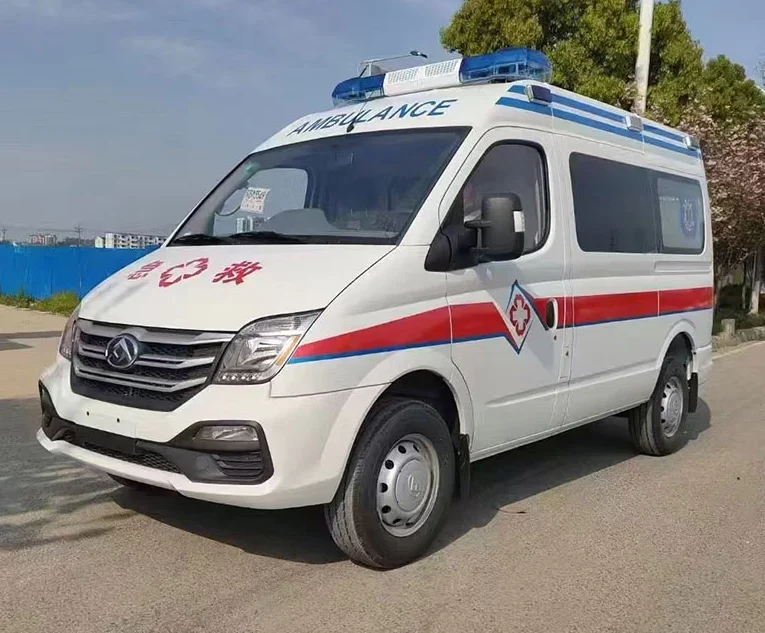
Core strengths of mobile medical emergency vehicles lie in their ability to replicate aspects of an emergency room within a transportable unit. From advanced monitoring systems to life-saving equipment, each vehicle is carefully configured to support a range of urgent medical interventions.
These features allow responders to administer crucial interventions at the scene and, when necessary, continue care en route to advanced facilities. By integrating transport with clinical capability, mobile medical emergency vehicles reduce delays that can make the difference between recovery and decline.
Mobile medical emergency vehicles are deployed across a variety of scenarios where rapid medical attention is essential:
In city environments, proximity and traffic navigation are key. In contrast, when deployed in remote regions, these vehicles bring critical care capacity to areas where local medical services may be limited or delayed.
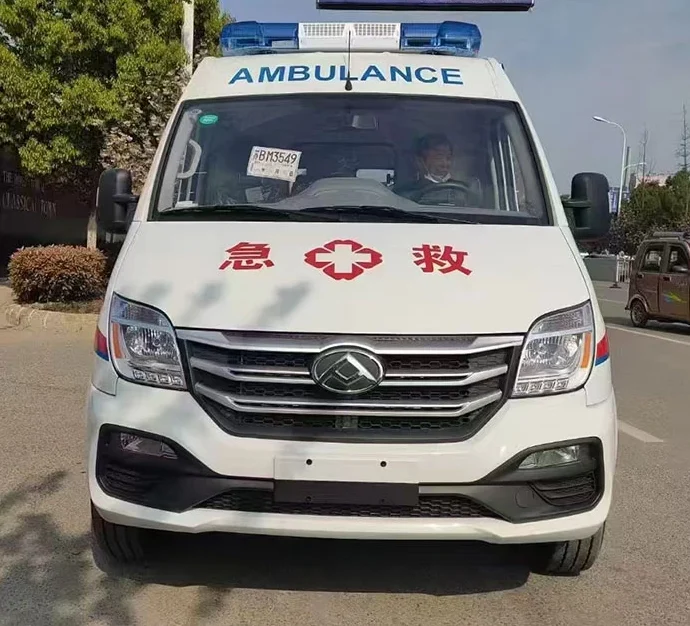
Choosing mobile medical emergency vehicles as part of an emergency response fleet provides practical advantages that improve readiness and patient care:
Because mobile medical emergency vehicles bring both transport and treatment together, they significantly enhance the efficiency of emergency medical services (EMS) systems. This dual capacity supports better outcomes when minutes count and resources are stretched.
| Specification | Typical Configuration Range |
|---|---|
| Patient Capacity | 1–4 patients depending on setup |
| Life Support Level | Basic to Advanced Life Support (ALS) |
| Power Supply | Auxiliary generator and battery backup |
| Monitor & Diagnostic Tools | ECG, pulse oximetry, blood pressure monitoring |
| Communication Interfaces | Radio / cellular / satellite linked to medical command |
Understanding the technical baseline of mobile medical emergency vehicles helps in selecting the right configuration for specific operational needs. For example, higher life support levels expand the scope of care, while robust power options ensure that critical equipment remains functional even in extended operations or remote deployments.
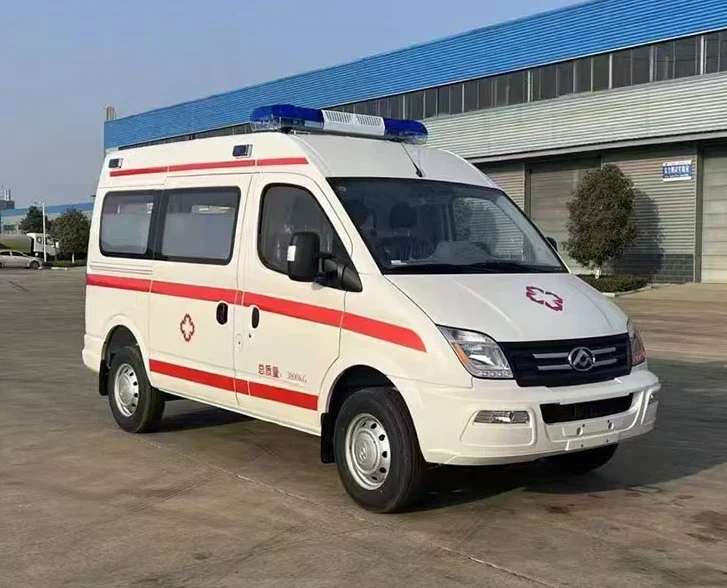
Mobile medical emergency vehicles bridge critical gaps between scene and hospital, offering integrated care that stabilizes patients when they are most vulnerable. As demand for responsive and resilient healthcare systems grows, investing in these vehicles strengthens overall emergency medical capability. Their adaptability across diverse environments—from highways to rural backroads—makes them indispensable assets for public health agencies, disaster response teams, and community EMS providers.
Whether used for everyday emergency responses or major incident support, mobile medical emergency vehicles help ensure that clinical expertise reaches patients without unnecessary delays. If your organization is evaluating options or planning upgrades to its emergency response fleet, consulting with experienced professionals can help identify the best vehicle configuration to meet local needs and regulatory requirements.
Contact a specialist team today to explore available configurations of mobile medical emergency vehicles, discuss customization options, and ensure your community is equipped for rapid, effective medical intervention when it matters most.