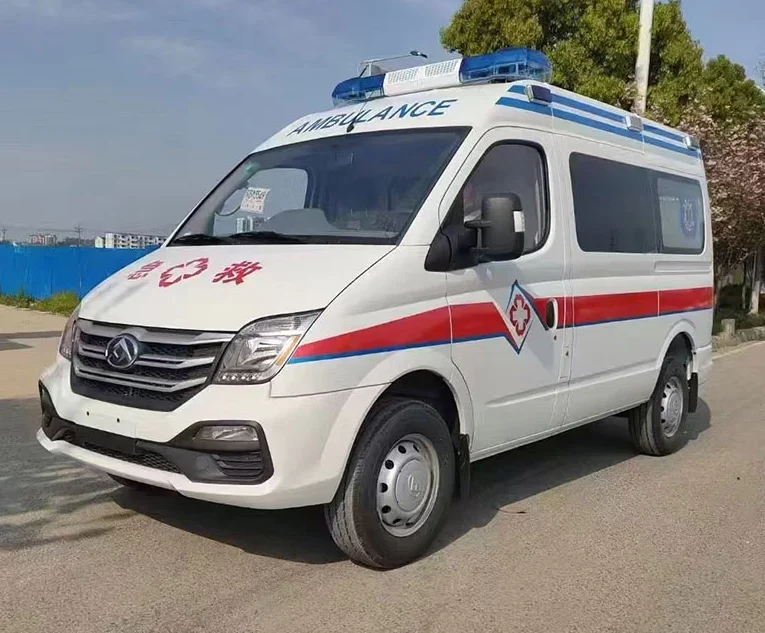
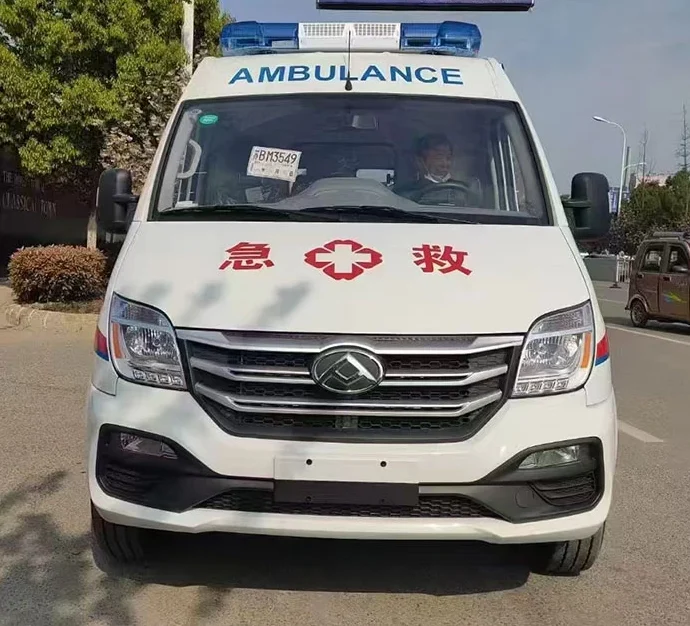
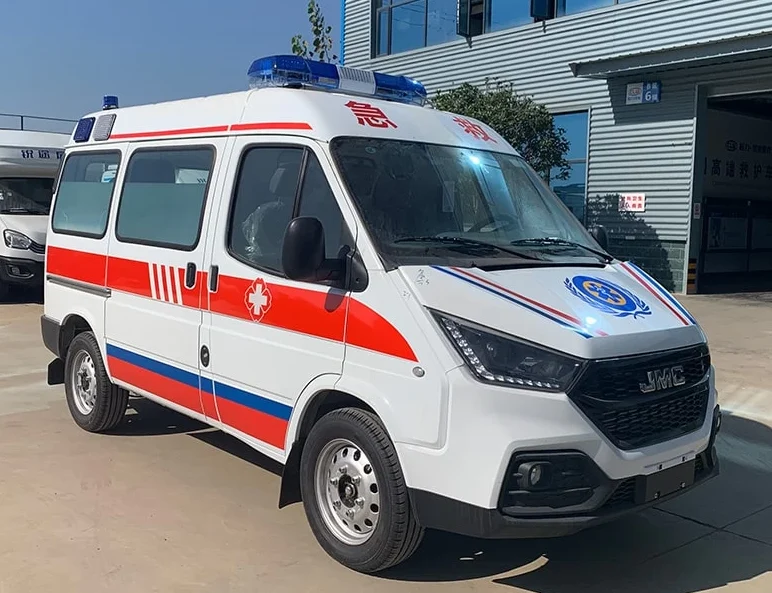
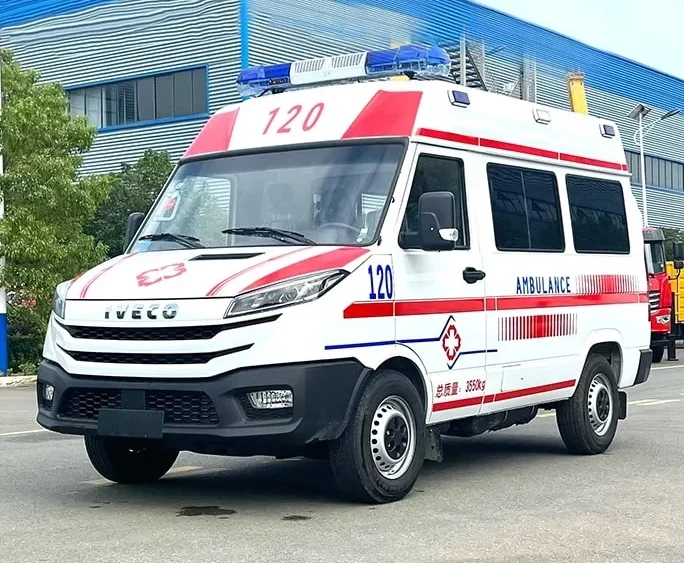
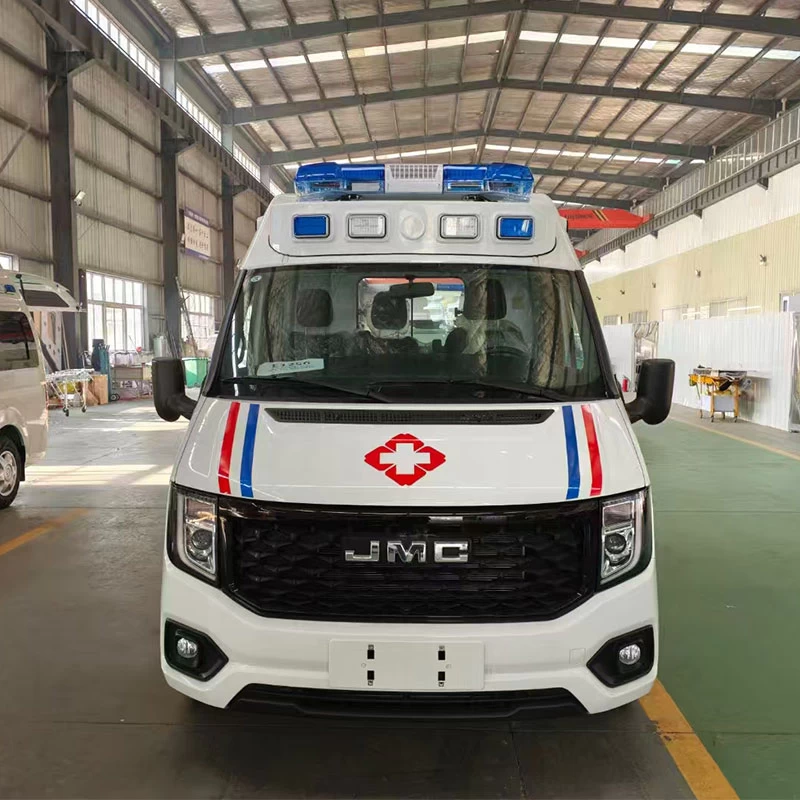
As global healthcare systems evolve, the demand for flexible, patient-centered medical solutions continues to grow. One of the most impactful innovations in modern public health is the rise of mobile healthcare vehicles, which allow medical teams to deliver essential services directly to underserved populations. These purpose-built vehicles are designed to bridge gaps in access, offering a practical way for clinics, hospitals, and humanitarian organizations to extend their reach far beyond traditional facilities.

Mobile healthcare vehicles are specialized units equipped to perform medical screenings, diagnostics, emergency response, and community health programs. As populations become increasingly dispersed—especially in rural regions—these vehicles play a vital role in ensuring that everyone has access to critical medical services. They also support fast deployment during emergencies, outbreaks, and disaster recovery operations.
The engineering behind mobile medical units has advanced significantly in recent years. Instead of simple transport vans with basic equipment, many models today function as complete mobile clinics. Essential features often include:

Organizations adopt mobile healthcare vehicles for a wide range of medical purposes, from routine checkups to specialized treatment programs. Popular applications include:
The growing popularity of mobile medical units is driven by the substantial benefits they provide to healthcare providers and communities alike.
Below is a sample technical outline commonly associated with mobile medical units:
| Specification | Typical Range |
|---|---|
| Vehicle Length | 14–30 ft |
| Interior Configuration | Single-room / Multi-room clinics |
| Power Supply Options | Generator / Solar / Shore power |
| Climate Control | Multi-zone HVAC |
| Medical Equipment Compatibility | X-ray, ultrasound, dental chair, lab tools |
| Communication System | Wi-Fi, satellite, telemedicine interface |
| Safety Standards | Medical-grade materials, isolation options |
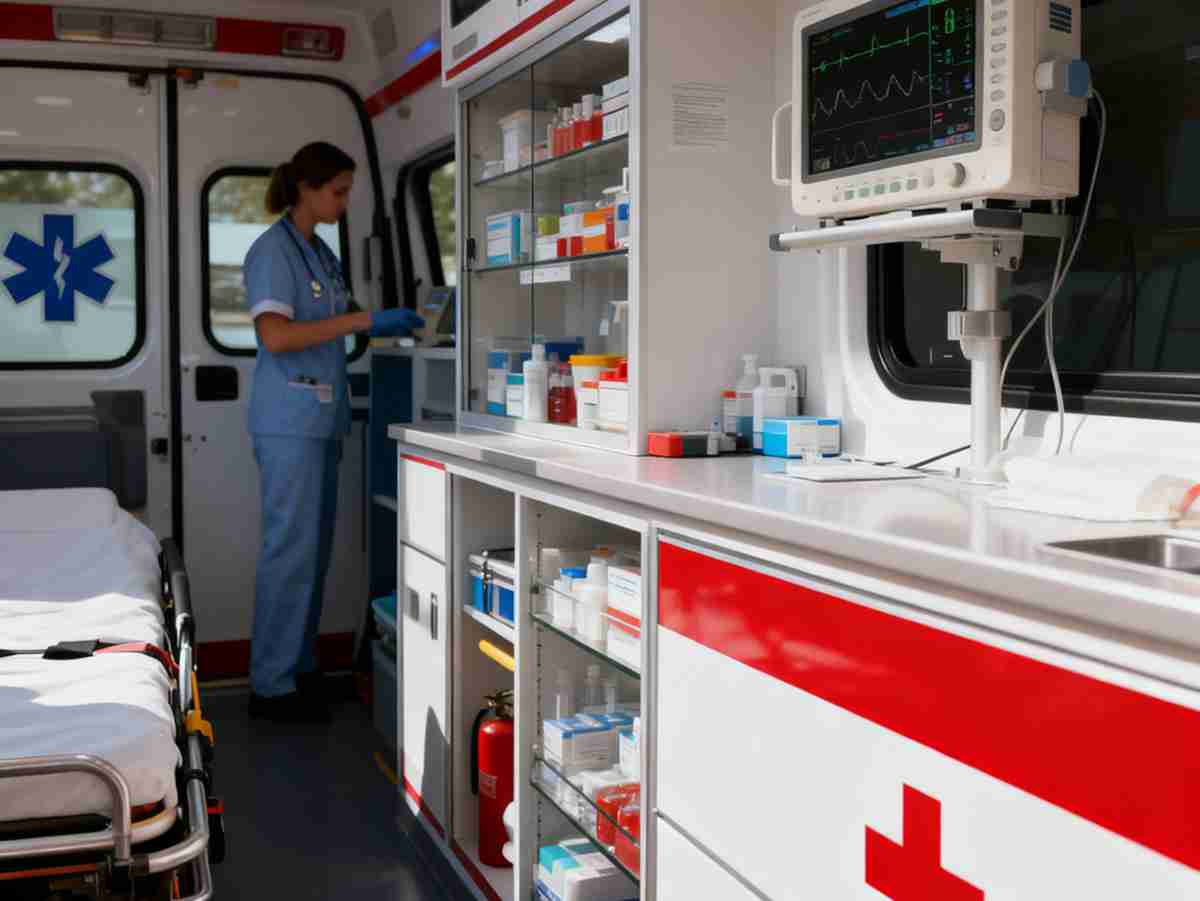
As healthcare models shift toward mobility and accessibility, mobile clinics are becoming essential tools for governments, NGOs, and medical institutions. Their ability to operate independently, adapt to community needs, and deliver targeted services makes them an effective solution for improving public health outcomes—especially in regions with limited infrastructure.
Whether deployed for public health initiatives, disaster relief, or rural outreach, mobile healthcare vehicles offer a powerful platform for delivering medical care where it is needed most. If your organization aims to enhance service coverage, upgrade its mobile medical fleet, or explore custom-built clinical vehicles, professional guidance can help you select the right configuration. Feel free to request additional details or tailored recommendations—your ideal mobile healthcare solution is closer than you think.