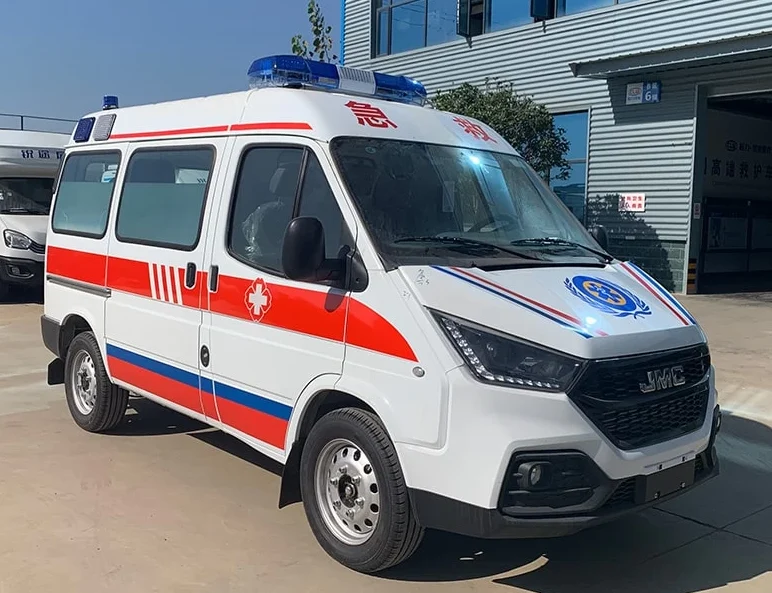
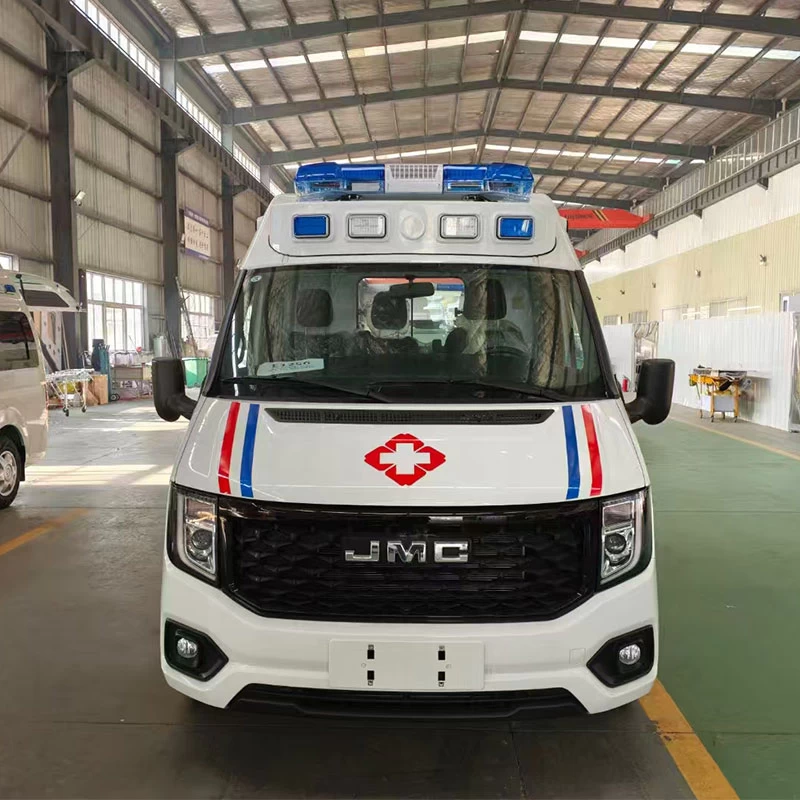
Healthcare vehicles play an increasingly important role in delivering medical services beyond traditional hospitals and clinics. Designed to combine mobility with essential medical functions, these vehicles allow healthcare providers to reach patients wherever care is needed. From community outreach programs to emergency response and preventive healthcare initiatives, healthcare vehicles bridge gaps in accessibility and efficiency.
As populations grow and healthcare demands diversify, mobile medical solutions have become a practical extension of fixed facilities. Healthcare vehicles are purpose-built to support diagnosis, treatment, consultation, and health education while maintaining professional standards of safety, hygiene, and patient comfort.

Modern healthcare vehicles are engineered to support reliable medical operations in a mobile environment. Depending on configuration and purpose, common features include:
These features ensure that healthcare professionals can deliver consistent and safe medical services, even in remote or temporary locations.
Healthcare vehicles are widely used across different sectors and medical scenarios. Their flexibility allows them to support both routine care and specialized programs, such as:
By bringing services closer to patients, healthcare vehicles help reduce travel time, lower barriers to care, and improve overall participation in health programs.

Compared with traditional healthcare facilities, healthcare vehicles offer several distinct advantages:
Enhanced Accessibility: Mobile units can reach communities with limited medical infrastructure, improving equity in healthcare delivery.
Operational Flexibility: Routes and service schedules can be adjusted based on demand, seasonal needs, or public health priorities.
Efficient Resource Use: A single vehicle can serve multiple locations, maximizing utilization of medical staff and equipment.
Rapid Deployment: Healthcare vehicles can be mobilized quickly for emergency response or time-sensitive medical campaigns.
Customizable Design: Interior layouts can be adapted for different medical services, ensuring functionality without unnecessary complexity.
One of the most valuable contributions of healthcare vehicles is their role in preventive medicine. By enabling regular screenings, health education, and early diagnosis, these mobile units support proactive healthcare strategies. Community-based services delivered through healthcare vehicles often lead to improved awareness and earlier intervention, reducing long-term healthcare burdens.
In addition, healthcare vehicles strengthen collaboration between public health authorities, non-profit organizations, and private providers by offering a shared, mobile platform for coordinated care.
Healthcare vehicles represent a forward-looking approach to modern medical service delivery. By combining mobility, functionality, and adaptability, they help healthcare providers respond effectively to changing needs and geographic challenges.
If your organization is exploring ways to expand outreach, improve accessibility, or enhance emergency preparedness, investing in professionally designed healthcare vehicles can be a strategic step toward more inclusive and efficient medical services. Reach out to a qualified supplier to discuss configuration options and operational requirements tailored to your healthcare goals.