Medical Vehicles for Sale: Find the Right Emergency Vehicle for Your Needs
Introduction
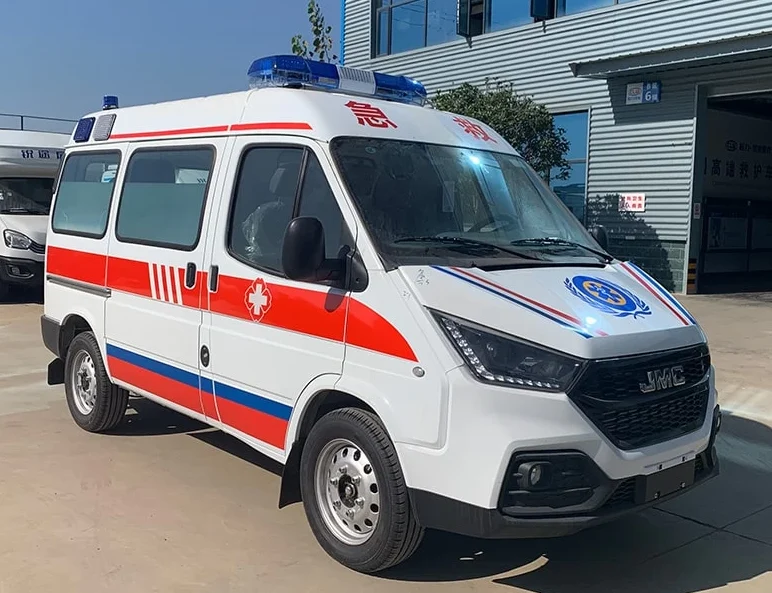
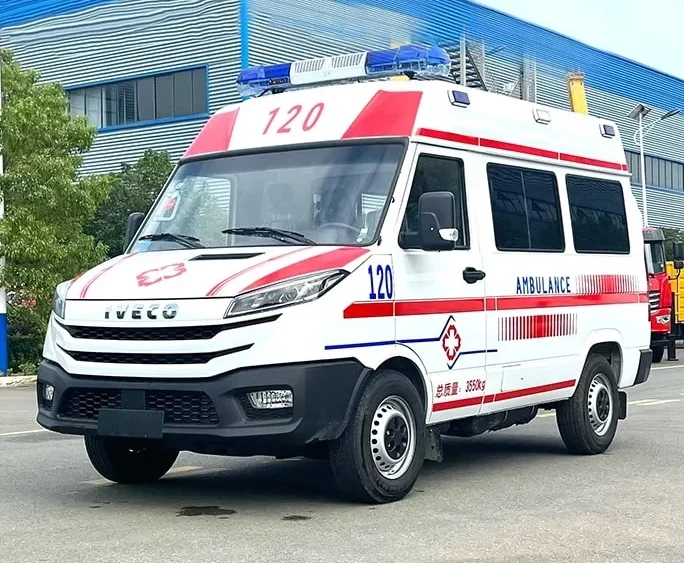
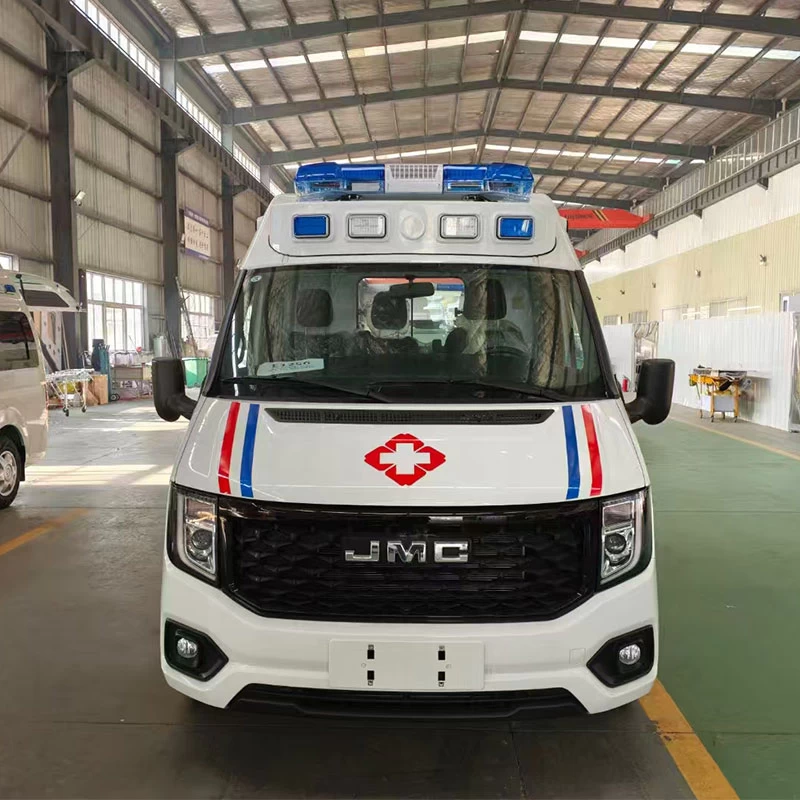
*Medical vehicles for sale* encompass a wide range of specialized vehicles designed to provide life-saving services in emergencies. Whether you are looking for an ambulance, a mobile clinic, or a patient transport vehicle, these medical vehicles are crucial in delivering quick and efficient healthcare to patients in need. Equipped with advanced medical equipment, these vehicles ensure that emergency responders can offer timely medical attention while transporting patients to hospitals or healthcare facilities.
In this article, we will explore the types of medical vehicles available for sale, their key features, applications, and advantages, so you can make an informed decision when purchasing a medical vehicle for your healthcare or emergency service needs.

Key Features of Medical Vehicles
Medical vehicles are built to meet the highest standards of safety, functionality, and reliability. Here are some of the key features commonly found in medical vehicles:
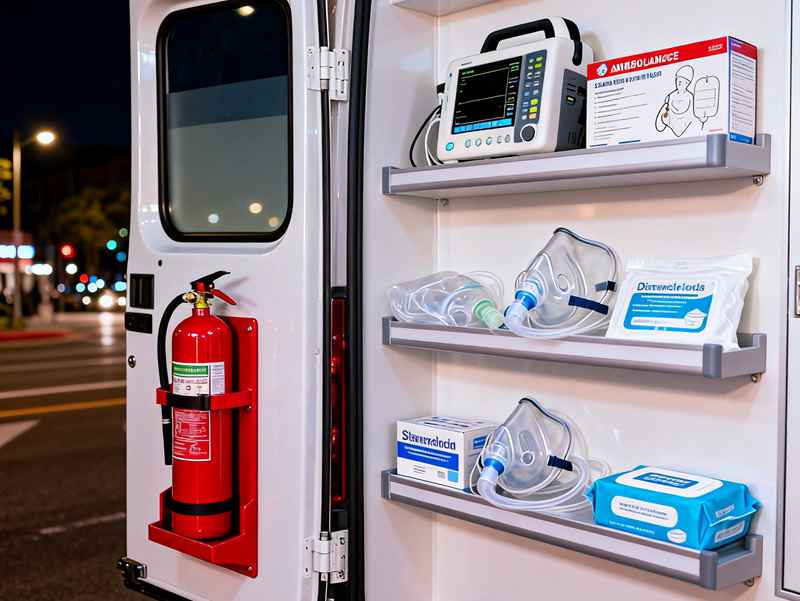
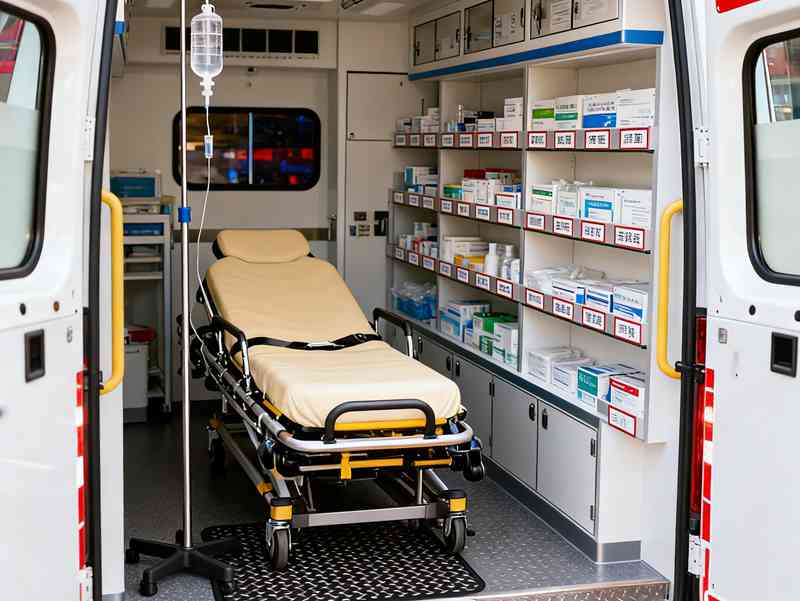
- Advanced Medical Equipment: Medical vehicles are equipped with state-of-the-art medical equipment, such as defibrillators, oxygen systems, IV pumps, and stretchers. These tools are vital for treating patients during transport, especially in life-threatening situations.
- Specialized Compartments: Medical vehicles often feature organized compartments that store medical supplies and equipment. These compartments are designed for easy access and quick retrieval of necessary tools, ensuring first responders can act without delay.
- Emergency Lights and Sirens: To ensure quick response times, medical vehicles are equipped with high-visibility emergency lighting systems and sirens, helping them navigate through traffic and reach the emergency site in the shortest time possible.
- Onboard Communication Systems: Effective communication is essential during emergencies. Medical vehicles come with reliable radio systems that keep paramedics in constant contact with hospitals, dispatch centers, and other emergency services during patient transport.
- Comfortable Patient Area: The patient area of medical vehicles is designed for maximum comfort and safety. The interior is often equipped with adjustable stretchers, secured seating, and ample space to treat patients en route to healthcare facilities.
- All-Wheel Drive Option: Many medical vehicles are available with an all-wheel drive (AWD) option, which is especially useful for navigating through rough terrains, inclement weather, or areas with difficult access.
Types of Medical Vehicles for Sale
There are several different types of medical vehicles available for sale, each designed for specific medical applications. Here are some of the most common types:
- Ambulances: The most widely recognized medical vehicle, ambulances are designed to transport patients in emergency situations. They come equipped with a full range of medical equipment, including life-support systems, to provide immediate care during transport.
- Mobile Clinics: Mobile clinics are medical vehicles designed to bring healthcare services to remote or underserved areas. They are typically equipped with examination rooms, diagnostic equipment, and even minor surgical tools, allowing healthcare professionals to offer services on-site.
- Patient Transport Vehicles: These vehicles are designed for non-emergency medical transport, usually for patients who require regular visits to the hospital for treatments, dialysis, or check-ups. They are equipped with comfortable seating and medical monitoring equipment for ongoing patient care during transport.
- Mobile Blood Donation Units: These vehicles are outfitted to collect blood donations in various locations. They are equipped with the necessary medical equipment to perform safe blood donations and store collected blood until it is transferred to blood banks.
- ICU Transport Vehicles: Intensive Care Unit (ICU) transport vehicles are specially designed for patients who need continuous intensive care during transport. These vehicles are equipped with advanced life-support equipment, including ventilators, infusion pumps, and advanced monitoring systems.
Applications of Medical Vehicles
Medical vehicles serve a wide variety of purposes and are used across different industries and sectors. Some common applications include:
- Emergency Medical Services (EMS): Ambulances and emergency medical vehicles are a critical part of any EMS system. These vehicles are used to respond to emergencies, deliver first aid, and transport patients to hospitals or treatment facilities.
- Community Health Programs: Mobile clinics are frequently used in community outreach programs to provide healthcare services in rural, underserved, or disaster-stricken areas. These vehicles ensure that individuals without access to traditional healthcare facilities receive the care they need.
- Hospitals and Healthcare Facilities: Medical transport vehicles, including ambulances and patient transport vans, are used by hospitals to move patients between different departments or even to transfer patients to specialized care facilities.
- Blood Banks: Mobile blood donation units play a vital role in collecting blood donations from donors. They provide a safe, hygienic, and convenient environment for individuals to donate blood in various locations.
- Disaster Relief and Humanitarian Aid: Medical vehicles are essential during natural disasters, providing mobile healthcare and support to affected populations. Mobile clinics and ICU transport vehicles are used to provide urgent care and treatment in disaster zones.
Advantages of Medical Vehicles
Purchasing a medical vehicle offers several advantages, both for healthcare providers and emergency responders. Here are some key benefits:
- Rapid Response: Medical vehicles are equipped with high-speed capabilities and emergency lighting systems, ensuring that healthcare professionals can quickly respond to emergencies and deliver critical care on-site.
- Increased Mobility: Mobile medical units allow healthcare services to reach remote or underserved areas, ensuring that no one is left behind due to geographical limitations.
- Cost-Effective: For healthcare facilities and organizations that cannot afford to build permanent medical structures, mobile medical vehicles provide a cost-effective alternative. They allow for flexible healthcare delivery without the overhead costs of a stationary clinic.
- Comprehensive Patient Care: Medical vehicles are designed to provide a full range of medical services, from basic first aid to intensive care, depending on the vehicle’s specifications. This ensures that patients receive the necessary care during transport.
- Flexibility in Service Delivery: Medical vehicles offer the flexibility to offer services such as routine check-ups, blood donations, and emergency responses in a variety of locations, adapting to specific needs as they arise.
Conclusion: The Ideal Solution for Mobile Healthcare
Whether you are part of an emergency medical team, a healthcare provider, or an organization focused on humanitarian aid, *medical vehicles for sale* provide a versatile solution for offering mobile healthcare services. With a range of vehicles designed for different needs—whether for emergency transport, routine medical services, or mobile clinics—investing in the right medical vehicle can significantly enhance your ability to provide quality care to patients in need.
Ready to purchase a medical vehicle for your needs? Browse local listings, visit dealerships, and explore the available models to find the perfect vehicle for your operation. Don’t wait for an emergency to prepare—invest in the best medical vehicle to enhance your service capabilities today.