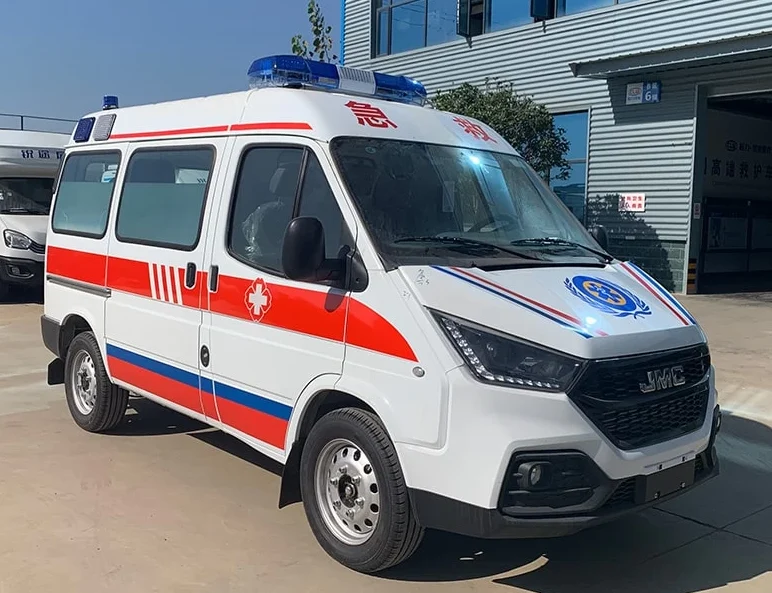
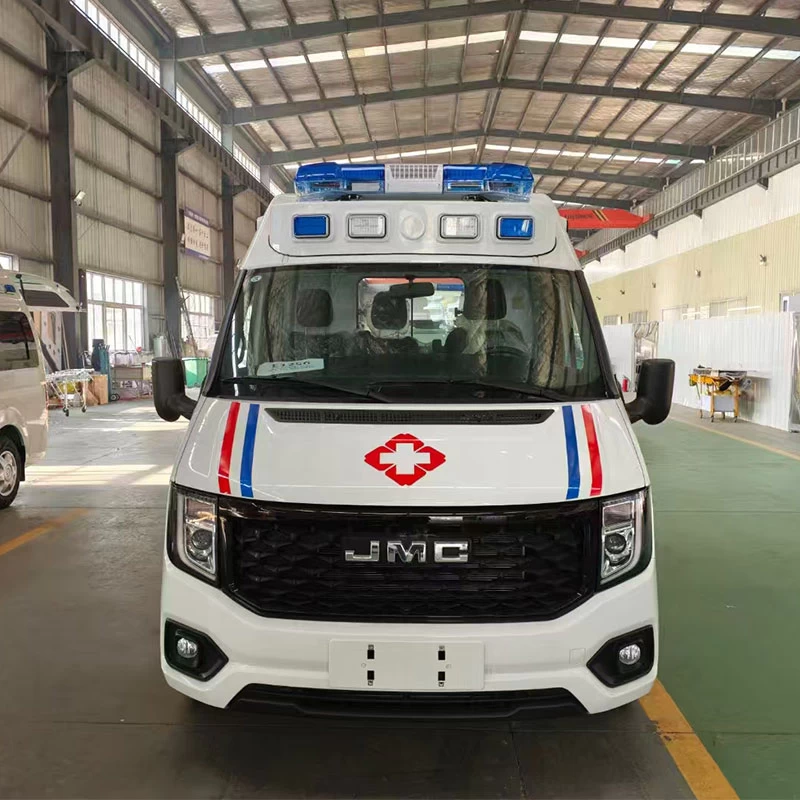
A **medical vehicle** is a specialized transport unit equipped with medical equipment and facilities designed to deliver healthcare services wherever they are needed. It serves as a mobile clinic, emergency ambulance, or diagnostic center, providing crucial support in both urban and remote areas. These vehicles are essential in improving healthcare accessibility, especially in regions with limited medical infrastructure. With advanced design, reliable performance, and customizable configurations, modern **medical vehicles** are widely used by hospitals, government health departments, and humanitarian organizations around the world. 
Every **medical vehicle** is built on a durable commercial chassis, ensuring strength, stability, and adaptability for various medical functions. The body structure is typically made from **high-strength steel or aluminum**, offering durability while maintaining a lightweight frame for easy mobility. Interior spaces are fully insulated and sterilized, featuring smooth, anti-bacterial surfaces and easy-to-clean flooring. The layout can be customized to include:
The flexible design allows the **medical vehicle** to be configured for different purposes, from general health check-ups to emergency response operations.

**Medical vehicles** are equipped with powerful and efficient engines suitable for long-distance travel and rapid deployment. Common configurations include:
These vehicles deliver stable performance even in challenging environments, ensuring timely and reliable medical assistance wherever needed.
A well-equipped **medical vehicle** integrates advanced healthcare technology and patient-care systems. Standard installations include:
Additional options such as X-ray units, blood analyzers, and telemedicine systems can be installed based on specific project requirements.
Safety is a top priority in the design of every **medical vehicle**. Each unit meets strict health and road safety standards, featuring:
These features ensure a clean, safe, and efficient working environment for medical staff and patients alike.
**Medical vehicles** play a vital role in a wide range of applications:
Their adaptability allows healthcare organizations to extend their reach and improve community health outcomes efficiently.
Investing in a **medical vehicle** provides numerous advantages for hospitals, NGOs, and government projects:
These benefits make medical vehicles an essential asset for modern healthcare networks and emergency systems.
A medical vehicle serves as a mobile healthcare platform that bridges the gap between hospitals and patients, especially in regions lacking medical infrastructure. With its robust construction, advanced medical features, and reliable mobility, it empowers healthcare providers to respond swiftly and effectively to any situation. Whether used for general examinations, emergency rescue, or vaccination drives, a high-quality medical vehicle ensures that healthcare services remain accessible, efficient, and life-saving wherever they are needed.