Understanding the Strategic Value of Vehicle KD in Modern Automotive Manufacturing
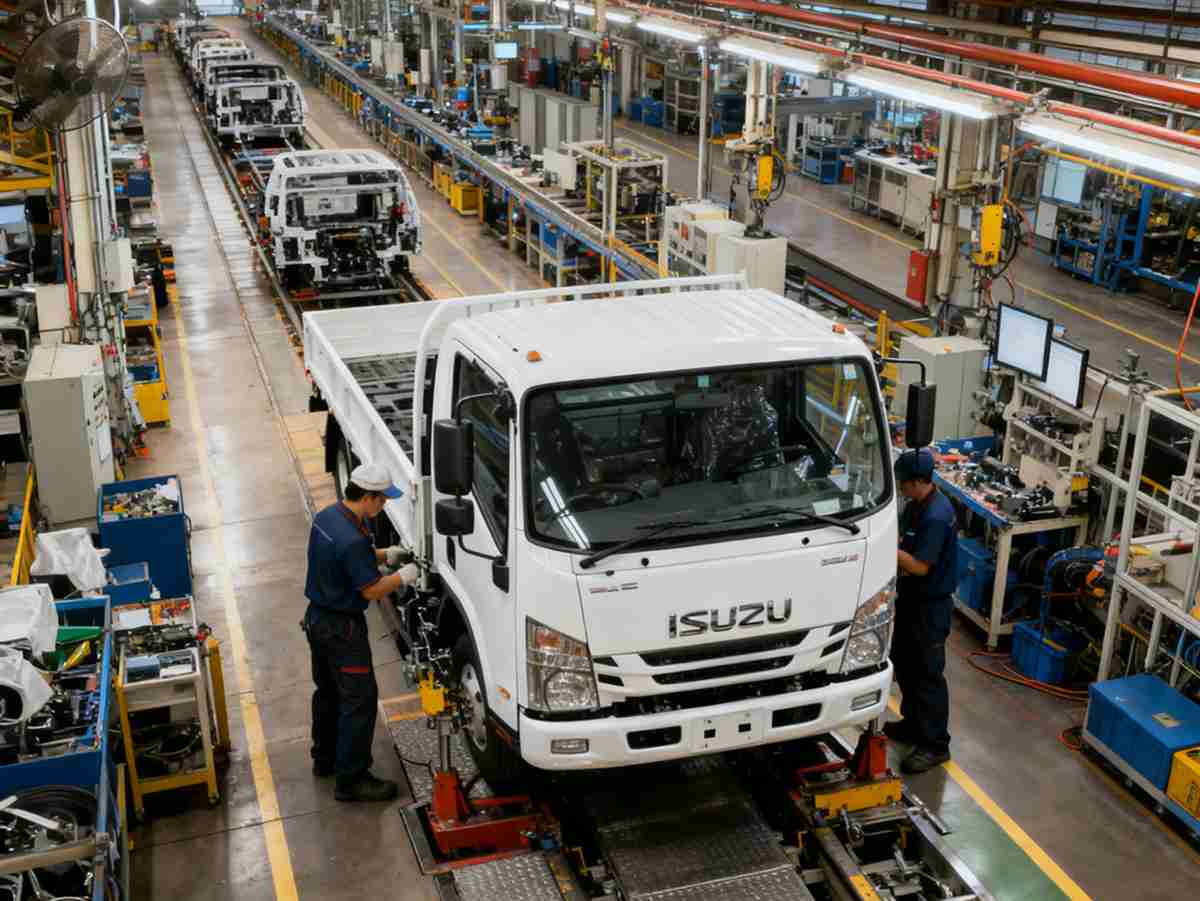
As automotive production becomes increasingly global and modular, the concept of vehicle kd has emerged as a core strategy for manufacturers and regional assembly partners. KD—short for “Knocked Down”—describes a production system in which vehicles are shipped in component form and assembled in the destination country. This approach allows companies to optimize logistics, reduce import duties, and adapt vehicle specifications to local regulations and consumer needs. From commercial fleets to public service applications, KD-based manufacturing is reshaping how vehicles enter emerging and established markets.

The Key Features of a Vehicle KD System
A well-structured vehicle kd program blends engineering flexibility with operational efficiency. Below are the attributes that make KD systems so impactful in global supply chains:
- Flexible Component Packaging: Vehicles are shipped in kits—fully disassembled or semi-assembled—reducing cargo space and improving container utilization.
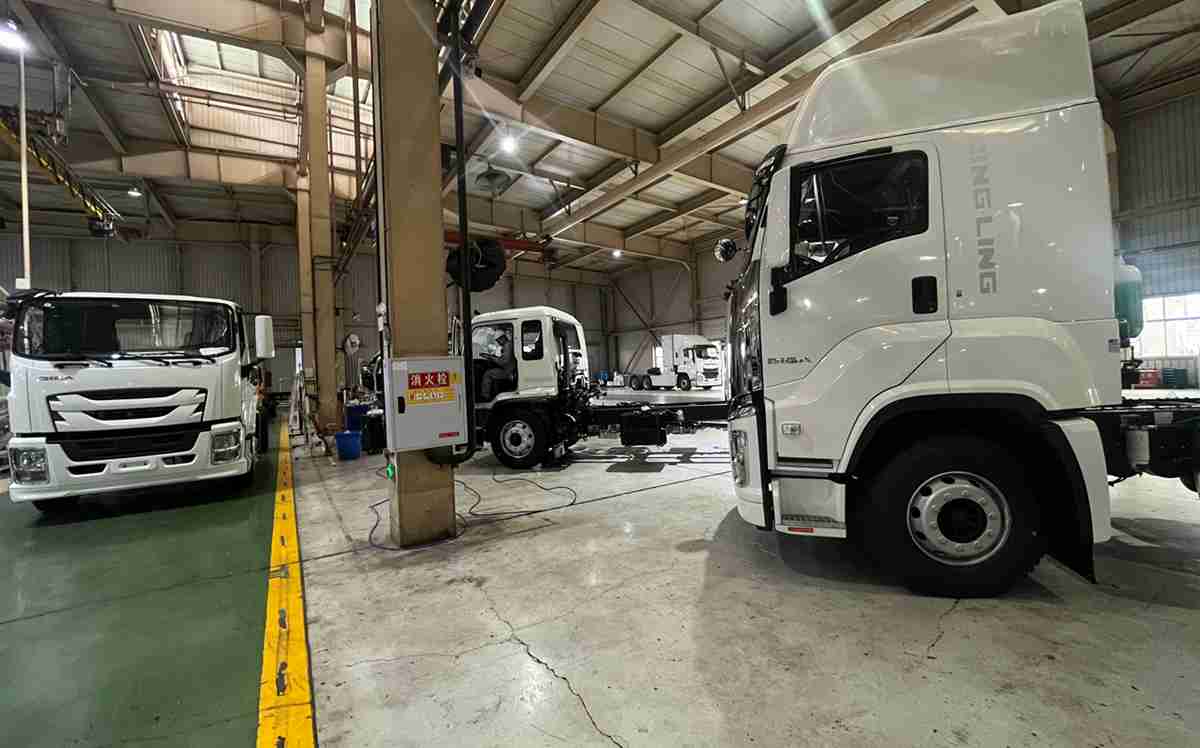
- Localized Final Assembly: Regional plants perform chassis integration, cab assembly, body installation, and quality inspection based on local standards.
- Market-Specific Adaptation: KD models allow suspension tuning, emissions calibration, and body customization according to regional road conditions and regulations.
- Efficient Inventory Control: Components are supplied in predictable batches, supporting streamlined warehouse operations and faster production cycles.
- Support for Gradual Scale-Up: KD assembly lines can expand production capacity without requiring full-scale automotive factories.
Applications Across Automotive Segments
Because of its modular structure, vehicle kd manufacturing is applicable across various automotive categories. Each segment benefits from the ability to fine-tune assembly according to market demand and technical requirements.
- Light Commercial Vehicles: Vans, pickup trucks, and small cargo platforms assembled through KD systems serve last-mile delivery, retail logistics, and urban service fleets.
- Heavy-Duty Transport: KD kits support the assembly of long-haul tractors, construction trucks, and regional distribution vehicles requiring robust chassis options.
- Passenger Mobility: Compact cars, sedans, and multi-purpose vehicles can be assembled locally to meet safety, emissions, and comfort preferences.
- Special-Purpose Vehicles: Firefighting units, maintenance vehicles, and public utility fleets benefit from localized body-building capabilities.
- EV and Hybrid Platforms: Electric components can be shipped separately, allowing domestic integration of battery packs, charging systems, and power modules.
Why Choose Vehicle KD? Key Advantages
Opting for a vehicle kd strategy brings several competitive advantages for both manufacturers and regional business partners. Beyond cost, KD systems enable long-term industrial development and localized customization.
- Reduced Tariff Burden: Many regions offer favorable import policies for component kits, significantly lowering operational costs for fleet expansion.
- Enhanced Adaptability: Local assembly teams can configure models to align with terrain, climate, and regulatory variations—something fully built imports cannot easily achieve.
- Improved Parts Availability: As local plants maintain component stocks, repair cycles are faster and more predictable.
- Greater Control Over Quality: Assembly oversight at the local level ensures compliance with regional performance expectations.
- Economic Benefits for Local Markets: Creating jobs and stimulating industry development is often central to national automotive policies, making KD an attractive long-term strategy.
Technical Specifications Overview
Below is an illustrative table showing typical technical parameters associated with a vehicle kd assembly program. Specifications vary depending on the final model and vehicle class.
| Parameter |
Typical Range / Notes |
| Kit Type |
CKD (Complete), SKD (Semi-Knocked Down) |
| Chassis Weight |
1,500–6,000 kg depending on vehicle class |
| Engine Configuration |
Gasoline / Diesel / Electric modules |
| Assembly Stages |
Chassis integration, cab assembly, wiring, body installation |
| Quality Standards |
Localized inspection based on national regulations |
| Body Compatibility |
Passenger, cargo, flatbed, refrigerated, utility |
Conclusion: Unlock New Manufacturing Possibilities with Vehicle KD
The vehicle kd model has become a powerful tool in modern automotive distribution, enabling manufacturers and distributors to reach global markets with greater flexibility, cost efficiency, and technical adaptability. As more regions prioritize localized assembly and industrial growth, KD platforms will continue to play a vital role in shaping commercial and passenger vehicle development worldwide.
If you need support in planning, sourcing, or developing KD-based vehicle programs, our technical team is available to provide detailed guidance and customized solutions tailored to your market.