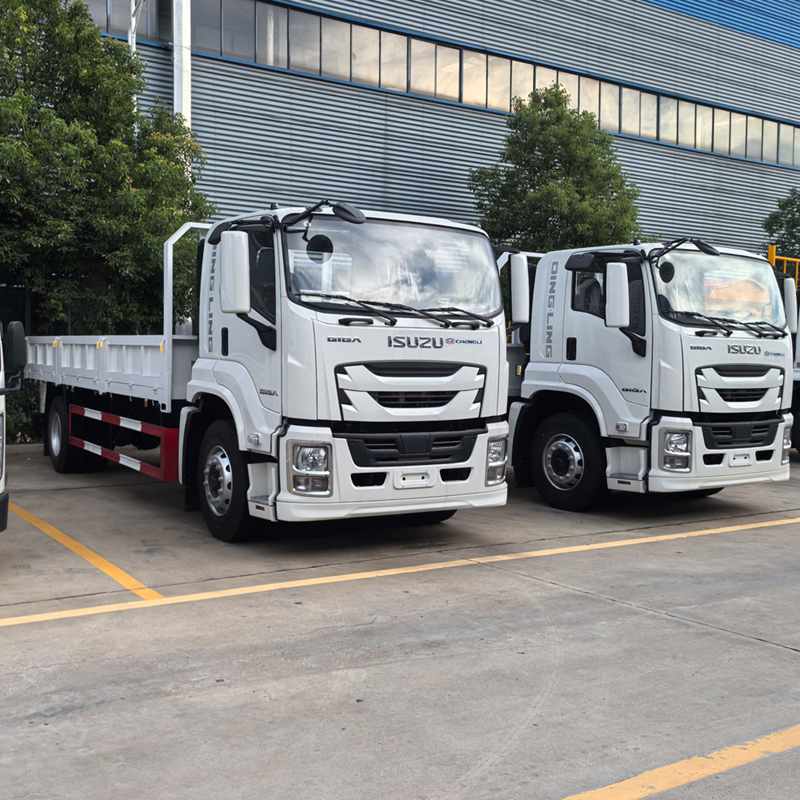
Truck Dump Truck Comparison – Features You Must Know
Decoding the Dump Truck Dilemma: Which Model Steers Ahead?
Understanding the Core of Truck Dump Truck Comparison
In the world of heavy machinery and construction, the dump truck stands as a titan of the industry, pivotal for its ability to transport and deposit materials swiftly. However, not all dump trucks are created equal. The Truck Dump Truck Comparison – a quest for the most efficient, reliable, and cost-effective model – is a challenge faced by many industry professionals. This article delves into the nuanced features that set apart various dump trucks, ensuring you make an informed decision tailored to your specific needs.
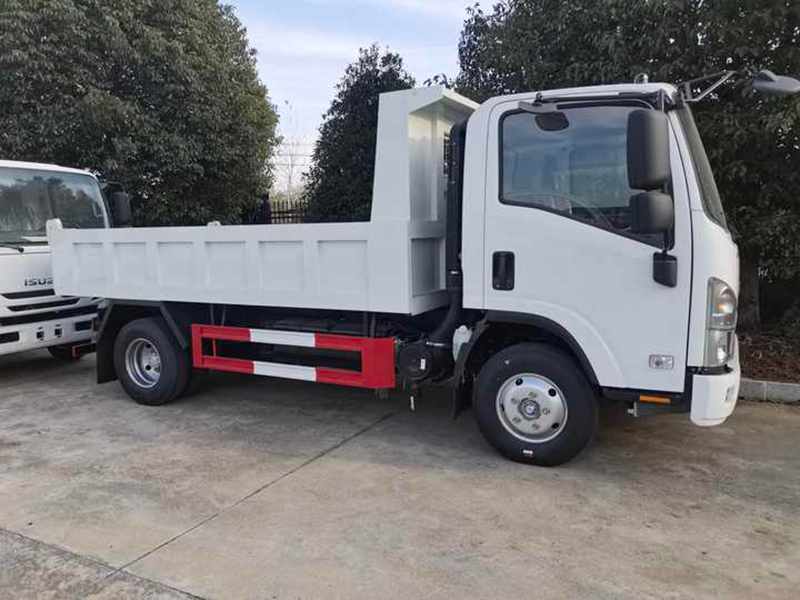
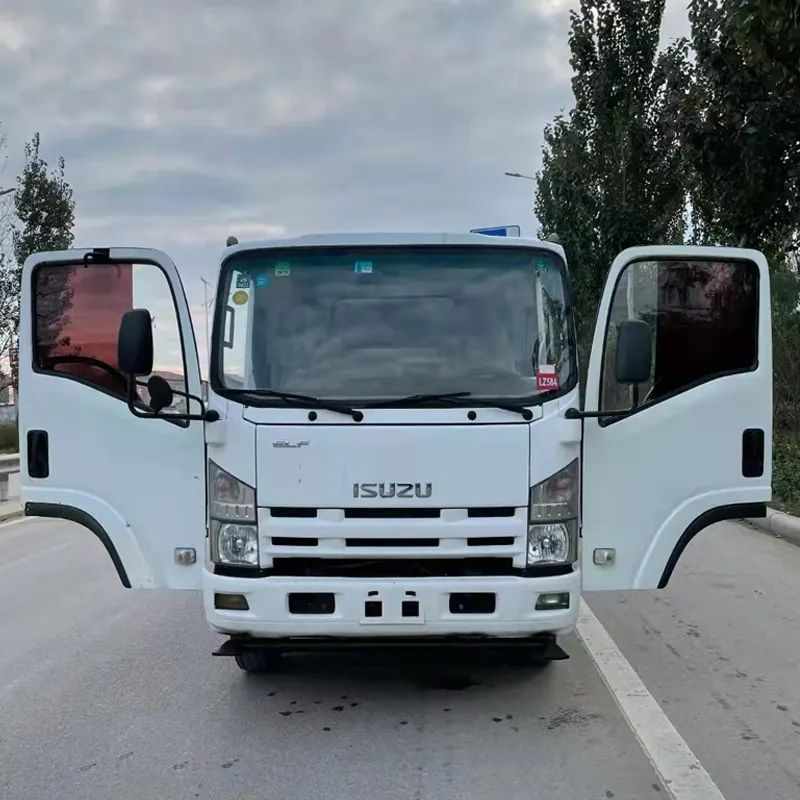
Key Features to Consider in Your Truck Dump Truck Comparison
Capacity and Load Handling
At the heart of any Truck Dump Truck Comparison is the truck’s capacity to handle loads. Variables such as the body size, bed length, and the truck’s overall structural integrity determine how much weight it can carry. For instance, a standard dump truck might handle 10 to 15 cubic yards of material, whereas a super dump truck can manage up to 25 cubic yards or more.
Body Style and Dumping Mechanism
Body styles range from standard to side dump and bottom dump configurations. Each style offers unique advantages; for example, side dump trucks can deposit loads in narrow spaces, while bottom dump trucks excel in spreading materials evenly over large areas. The dumping mechanism itself, whether hydraulic or manual, also influences the truck’s efficiency and ease of operation.
Performance and Powertrain
The powertrain of a dump truck, including the engine, transmission, and drivetrain, is crucial for optimal performance. Diesel engines are the industry standard due to their torque and longevity. When comparing trucks, consider the horsepower, torque ratings, and the type of transmission (manual, automatic, or CVT) that best suits your operational requirements.
Comparing the Contenders: Heavy Hitters in the Dump Truck Market
Market leaders such as Caterpillar, Volvo, and Komatsu offer a range of dump trucks that cater to different needs. A direct comparison of these models based on the features discussed can reveal the subtle differences that might make one truck more suitable than another for your specific application.
Caterpillar’s Muscle vs. Volvo’s Precision
- Caterpillar dump trucks are renowned for their robustness and high payload capacity.
- Volvo dump trucks, on the other hand, emphasize fuel efficiency and operator comfort.
Addressing Challenges: The Flip Side of Dump Truck Operations
While dump trucks are indispensable, they are not without their challenges. Maintenance costs, fuel efficiency, and environmental regulations are factors that can influence the total cost of ownership. A thorough Truck Dump Truck Comparison should also account for these challenges, ensuring that the chosen truck aligns with long-term operational goals.
Trends Shaping the Future of Dump Trucks
Technological advancements are paving the way for a new generation of dump trucks. Electric and hybrid models are beginning to emerge, promising lower emissions and reduced fuel costs. The integration of smart technologies for better fleet management and safety is also a growing trend.
Steering Your Decision: Making the Right Choice
Armed with the insights from this Truck Dump Truck Comparison, you’re better equipped to make a choice that aligns with your business objectives. Remember to consider the truck’s intended use, the environment in which it will operate, and the long-term costs associated with maintenance and fuel.
As the construction and transportation sectors evolve, so too will the dump trucks that serve them. Staying informed about the latest features and trends ensures that your fleet remains competitive and efficient, now and in the future.