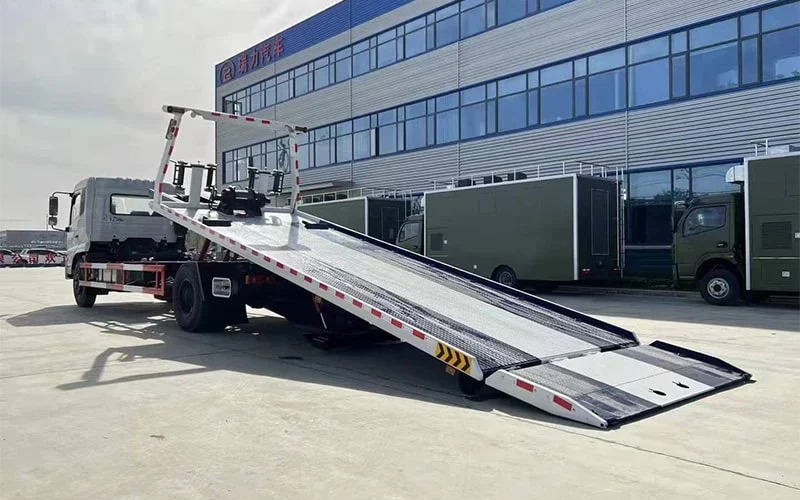
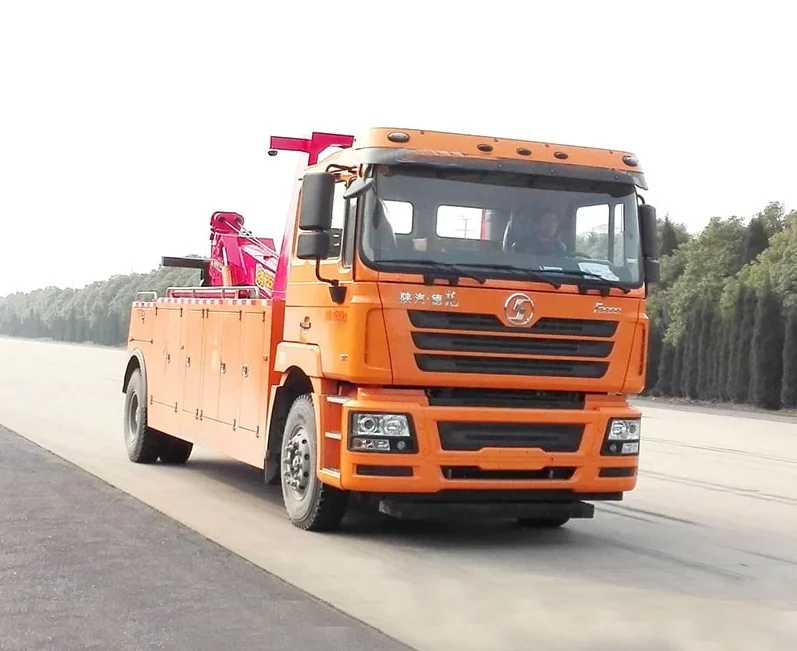
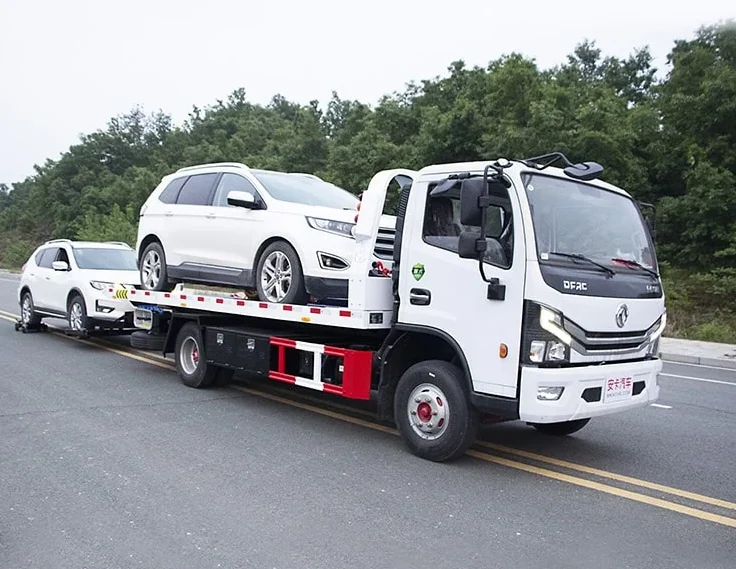
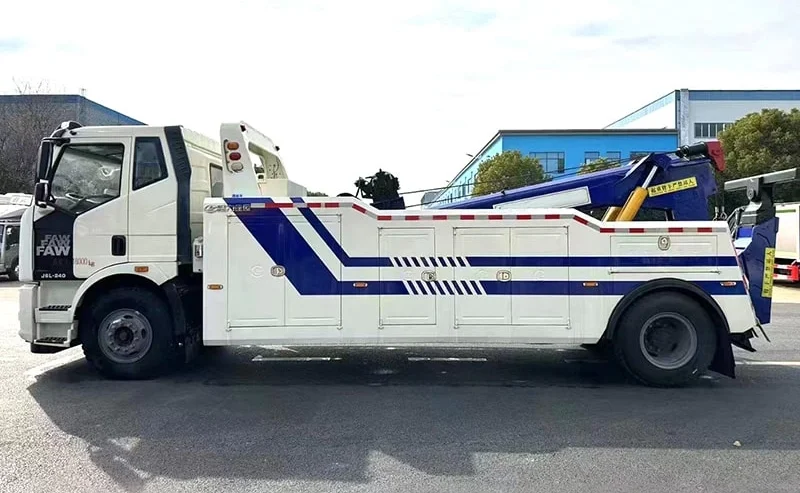
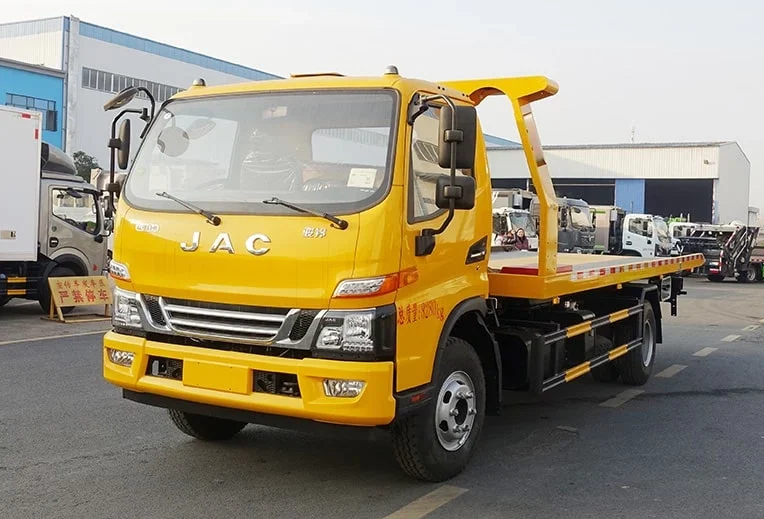
Busy roads, unpredictable traffic, and vehicle failures make reliable roadside support essential. For many drivers, the presence of tow trucks in this area is more than a convenience—it’s a critical component of road safety and mobility. Modern towing operations do far more than transport disabled vehicles; they help reduce congestion, prevent secondary accidents, and restore order when unexpected breakdowns disrupt travel. Understanding how local towing services operate can help drivers appreciate the value of these essential vehicles.

Tow truck services form a quiet backbone of regional transportation networks. When a vehicle stops functioning, it can quickly create hazards for other road users. Local operators are strategically positioned throughout the region, allowing them to reach stranded drivers quickly. Their familiarity with neighborhoods, highways, and trouble-prone intersections enables them to navigate efficiently and minimize response delays.
Drivers searching for tow trucks in this area are usually seeking immediate help, but they also expect professional handling. Local towing units are equipped to manage light-duty cars, SUVs, small vans, and even damaged vehicles requiring careful recovery procedures.
The towing landscape has evolved, with regional fleets now offering a variety of specialized services. Depending on the situation, a responding unit may perform:
This range of services ensures that drivers receive the right support, whether they are managing a minor inconvenience or a serious mechanical failure.
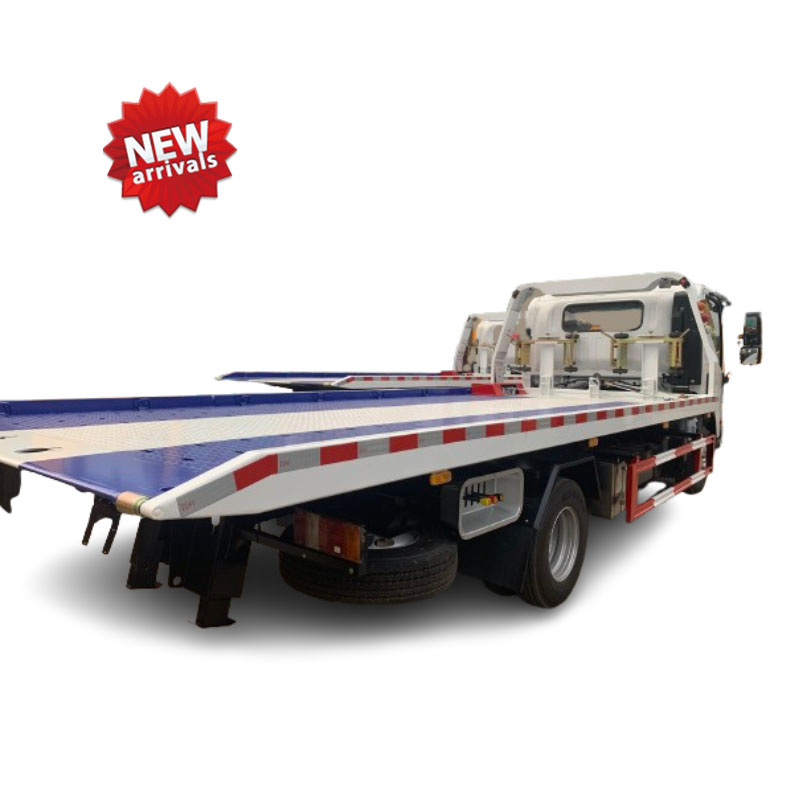
Local towing teams often respond to calls in several recurring areas:
Highway ramps where mechanical issues create immediate hazards
Parking areas with blocked or immobilized vehicles
Commercial districts with heavy traffic flow
Rural roads where repair shops are distant
Residential neighborhoods during breakdowns or lockouts
Accident-prone intersections with limited shoulder space
These patterns help towing operators maintain strategic coverage and enhance their overall responsiveness.
Choosing a provider located nearby offers important benefits that distant services cannot match:
Fast response due to shorter travel distances
Greater reliability, especially during peak hours or adverse weather
Better communication, as local operators understand route conditions
Reduced wait times, lowering the risks drivers face while stranded
Flexible scheduling, ideal for both personal and fleet vehicles
The efficiency of nearby towing support contributes directly to safer roads and smoother travel experiences.
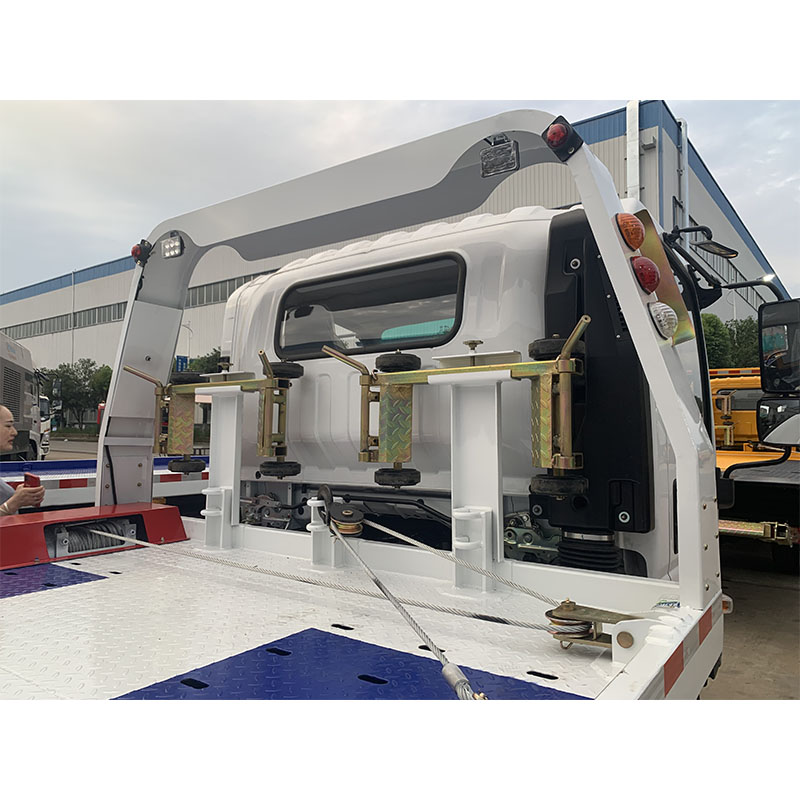
| Category | Details |
|---|---|
| Tow Type | Flatbed / Wheel-lift |
| Winch Capacity | 6,000–12,000 lbs |
| Vehicle Compatibility | Sedans, SUVs, light commercial vans |
| Safety Components | LED hazard bars, reflective strips, chains |
| Operation System | Hydraulic or electro-hydraulic loading |
While waiting for support, drivers can increase safety by:
Moving away from active traffic lanes if possible
Keeping hazard lights turned on
Clearly describing their location to the towing operator
Staying inside the vehicle in high-speed zones
Using warning triangles if conditions allow
These steps help towing professionals begin recovery quickly and reduce overall risk.
Reliable tow trucks in this area are essential partners for motorists, ensuring quick recovery, organized traffic, and dependable roadside help. Whether facing a mechanical failure, an unexpected flat tire, or a difficult parking situation, local towing teams provide professional support tailored to regional conditions.
If you need guidance or want to arrange towing assistance, feel free to reach out anytime for dependable help.