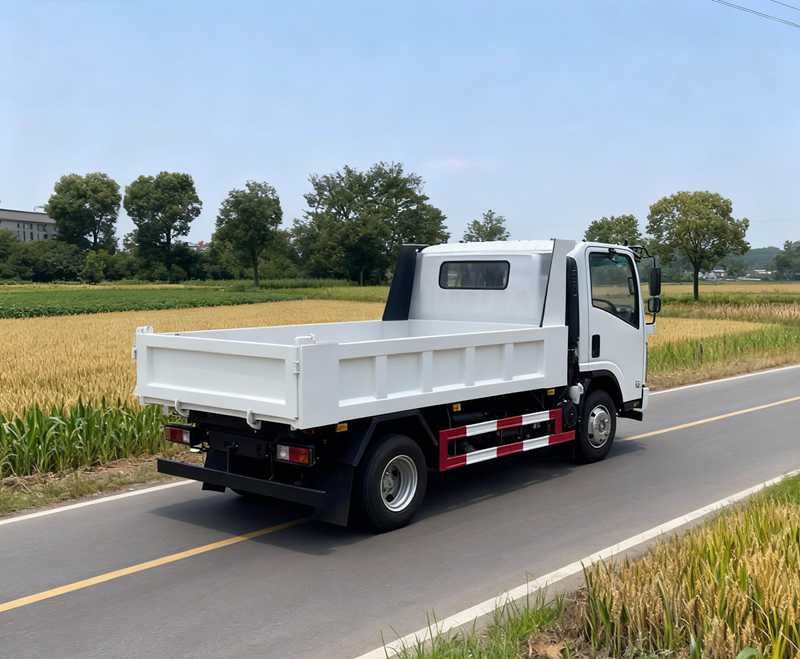
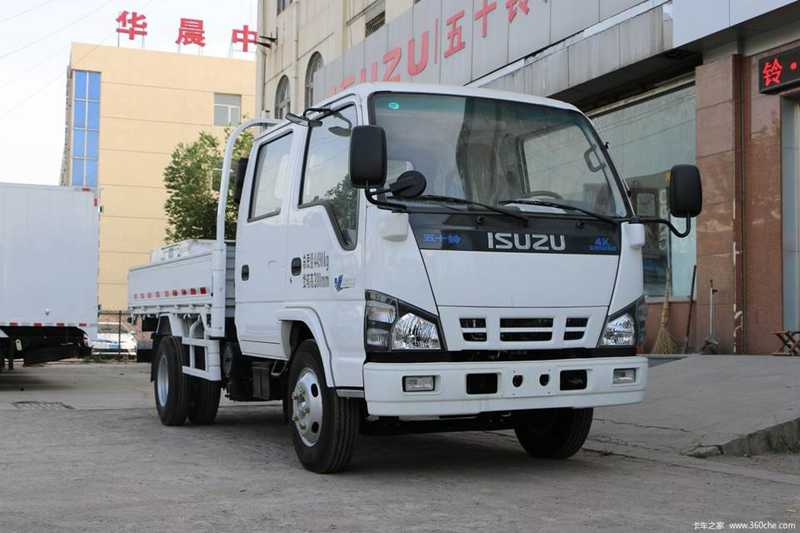
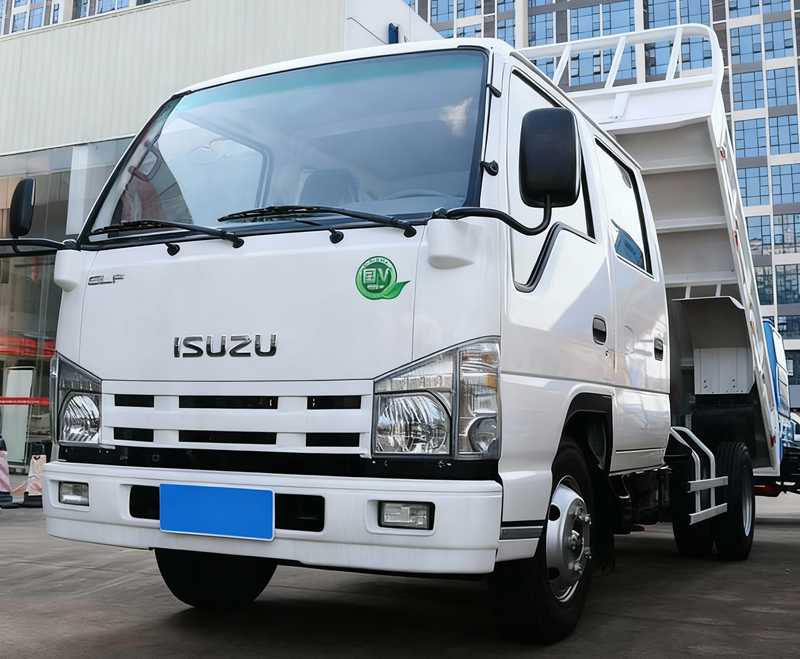
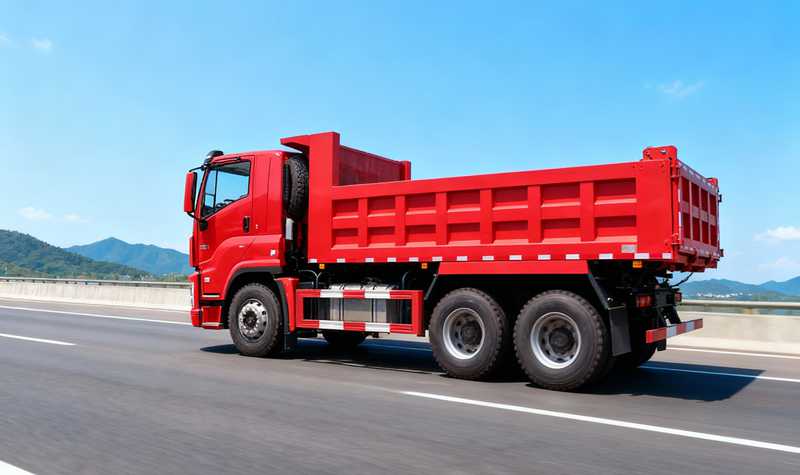
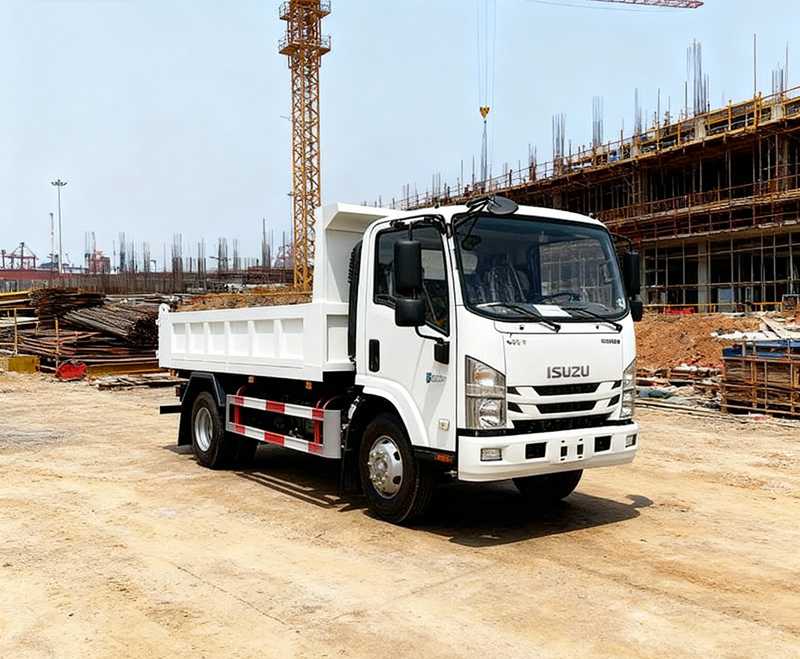
Across construction, mining, roadwork, and bulk material operations, the tipper dump truck remains one of the most relied-upon vehicles for efficient material handling. Known for its hydraulic lifting system and reinforced cargo bed, this truck enables quick loading, secure transport, and controlled dumping of aggregates, sand, soil, demolition debris, and other bulk materials. Its combination of power and precision makes it a core asset in projects where speed and durability are essential.
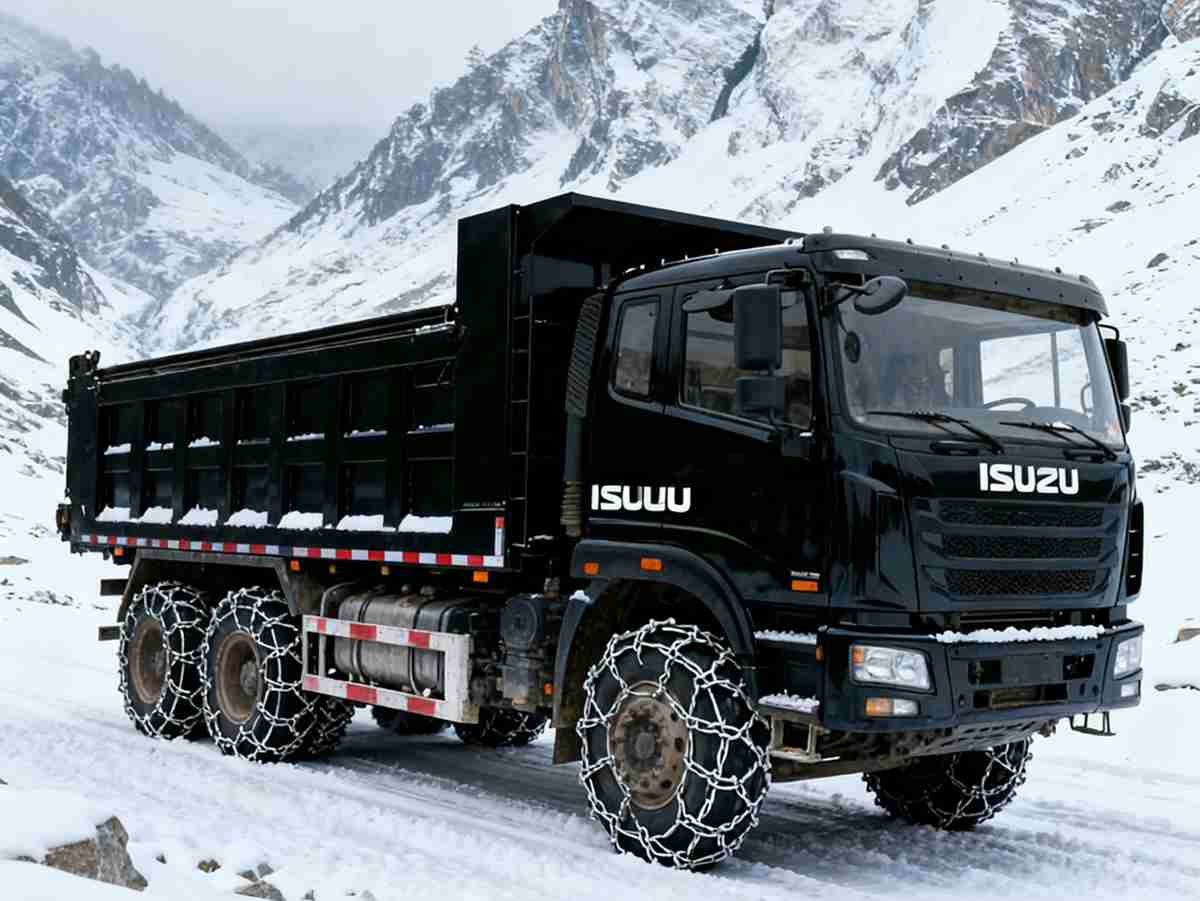
Instead of functioning merely as transport vehicles, tipper models serve as productivity tools designed to streamline the entire material-movement cycle. Their tipping mechanisms reduce manual labor, speed up unloading times, and allow operators to position materials with improved accuracy. In large-scale construction zones, these machines often operate continuously, supporting excavators, loaders, and crushers by maintaining a steady supply chain.
Because of their rugged construction and adaptable design, tipper dump trucks can be found in a wide range of working environments. In mining, they transport ore and overburden. Construction companies use them for earthmoving, site clearing, and material delivery. In municipal operations, they support waste removal, landscaping, and road maintenance tasks. Additionally, infrastructure projects—such as bridges, expressways, and ports—depend on them to maintain a continuous flow of aggregates and construction materials.
One of the strongest advantages of a tipper dump truck is operational efficiency. Its hydraulic tipping system significantly reduces the time required for unloading materials, allowing crews to complete more trips in a single shift. Durability is another key benefit, as these trucks are engineered to resist corrosion, impact, and material abrasion. Their versatility also means they can adapt to uneven terrain and demanding weather conditions without compromising performance. Furthermore, multi-axle models distribute weight more effectively, improving road stability and reducing tire wear.
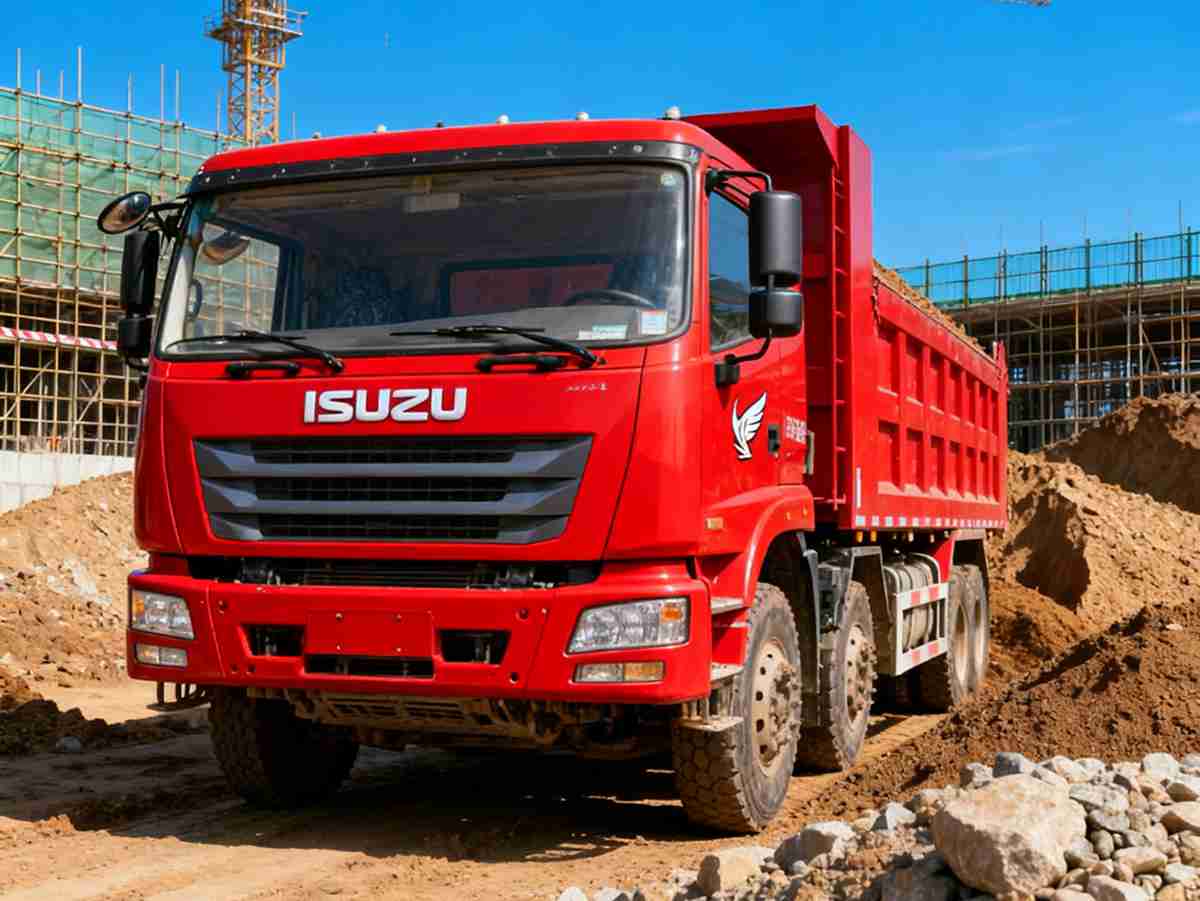
Another notable advantage is cost efficiency in long-term operations. Because unloading is automated, labor costs decrease, and accident risks from manual unloading are minimized. Additionally, fleet managers appreciate the truck’s predictable performance and straightforward maintenance schedules, which help reduce downtime on job sites.
| Specification | Details |
|---|---|
| Body Capacity | 8–25 cubic meters depending on configuration |
| Payload Range | 10–40 tons depending on axle setup |
| Lifting Mechanism | Front or under-body hydraulic cylinder |
| Body Material | High-strength steel with optional wear-resistant liners |
| Axle Configuration | 4×2, 6×4, 8×4, or multi-axle variations |
| Chassis Structure | Reinforced heavy-duty frame |
Whether supporting major infrastructure projects or daily construction operations, the tipper dump truck stands out as a dependable and powerful tool for high-volume material transport. Its efficiency, durability, and adaptability make it an essential part of any fleet committed to improving workflow and reducing operational delays.
Interested in exploring configurations or customizing a unit? Reach out anytime to discuss options for your project or fleet requirements.