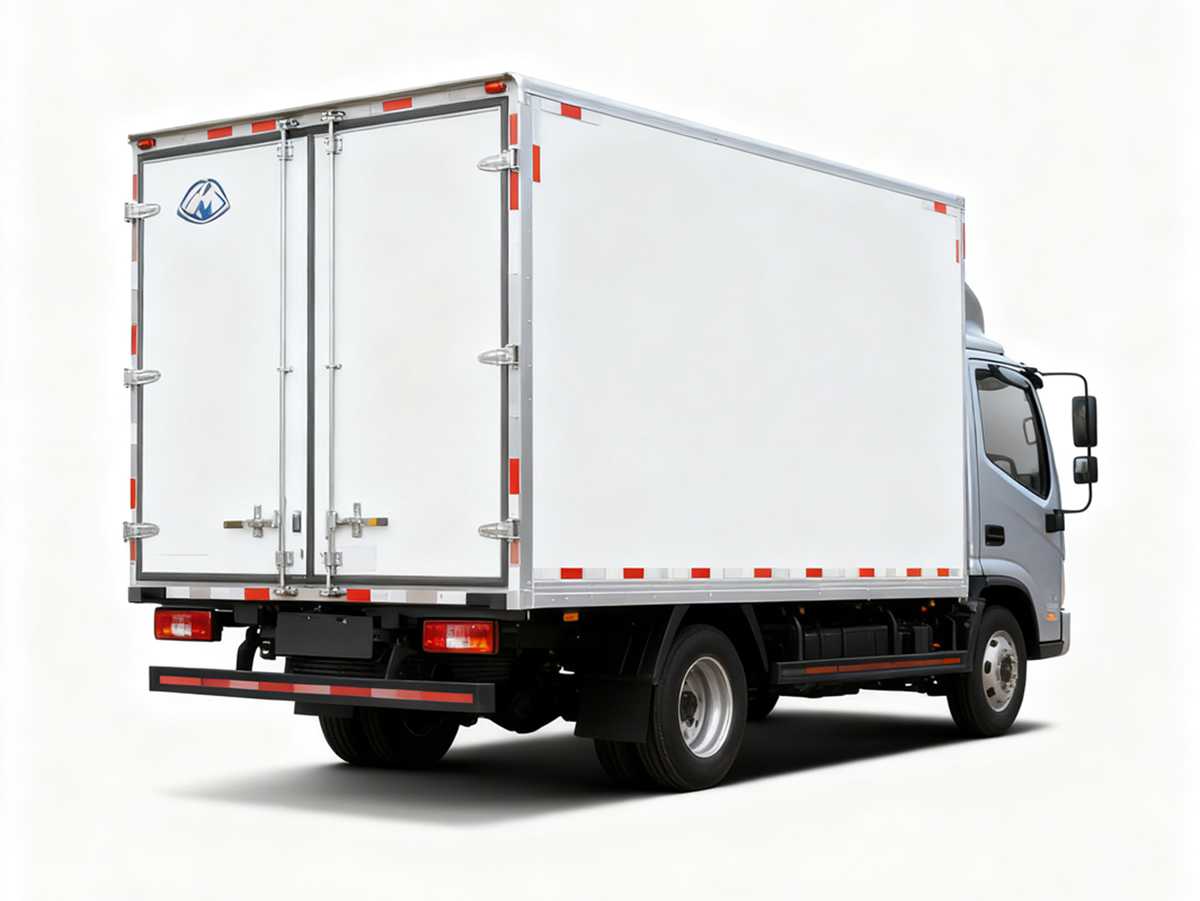
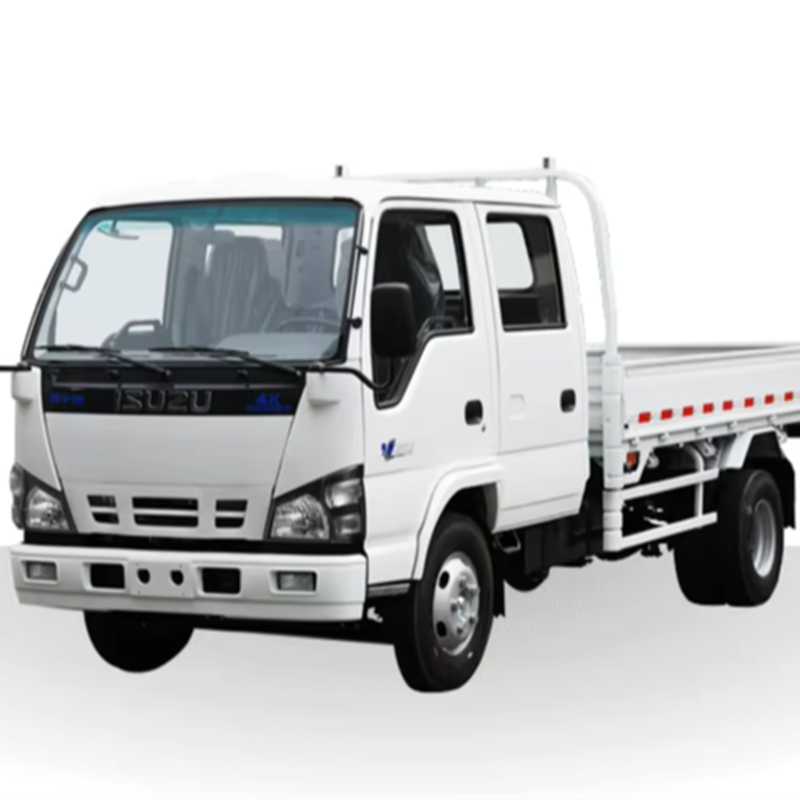
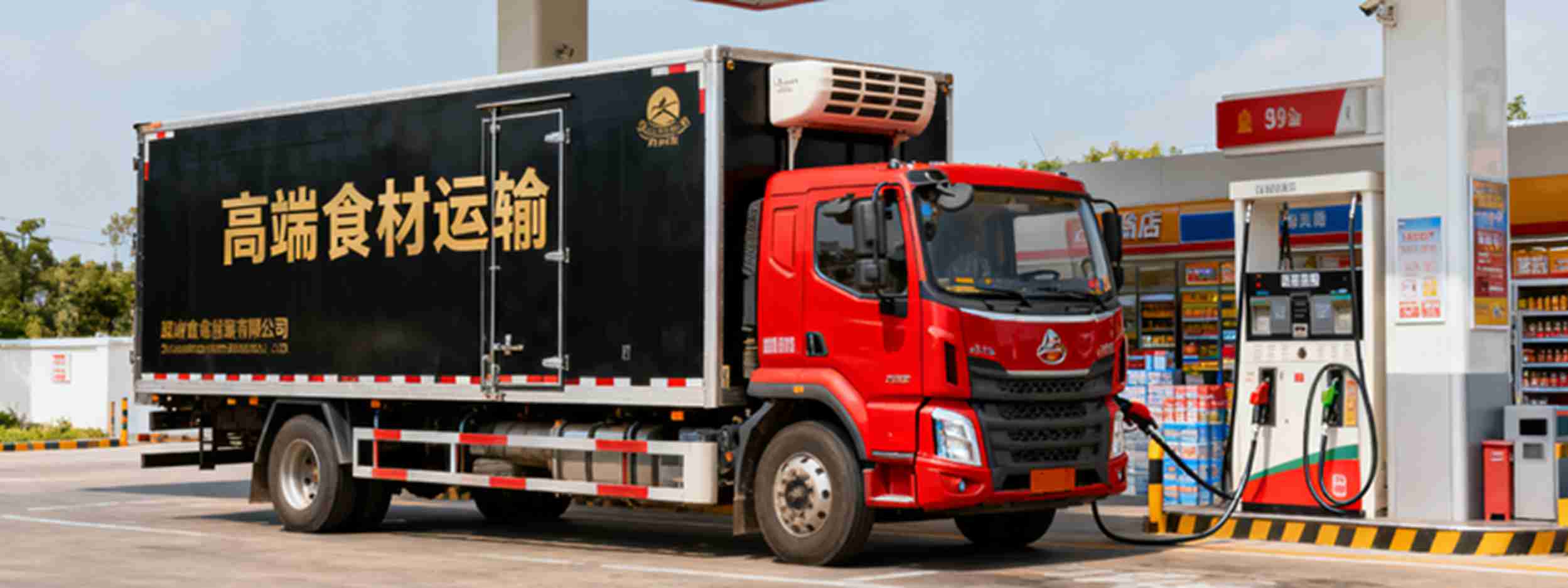
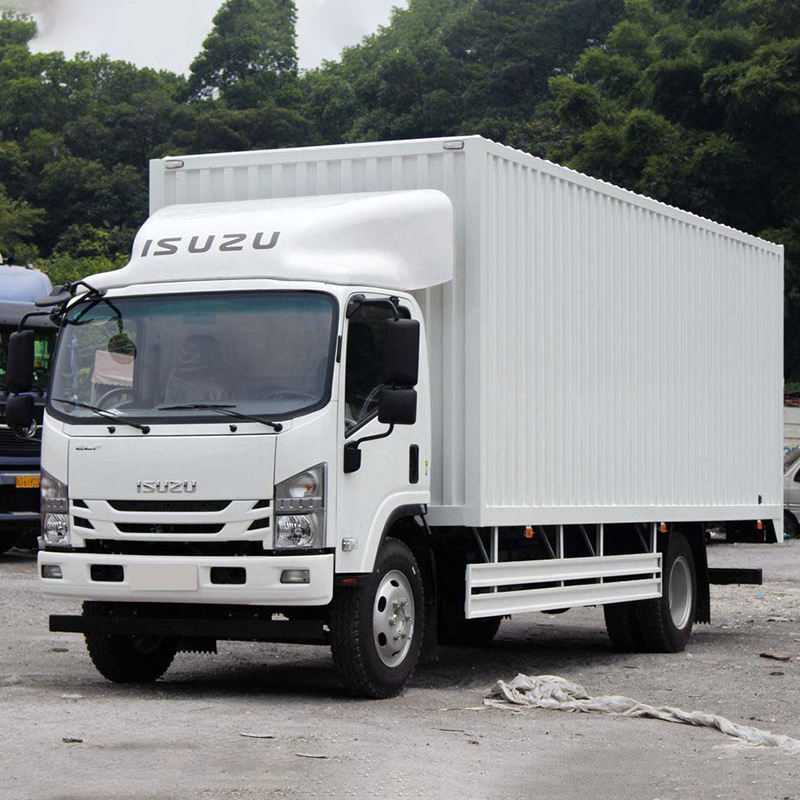
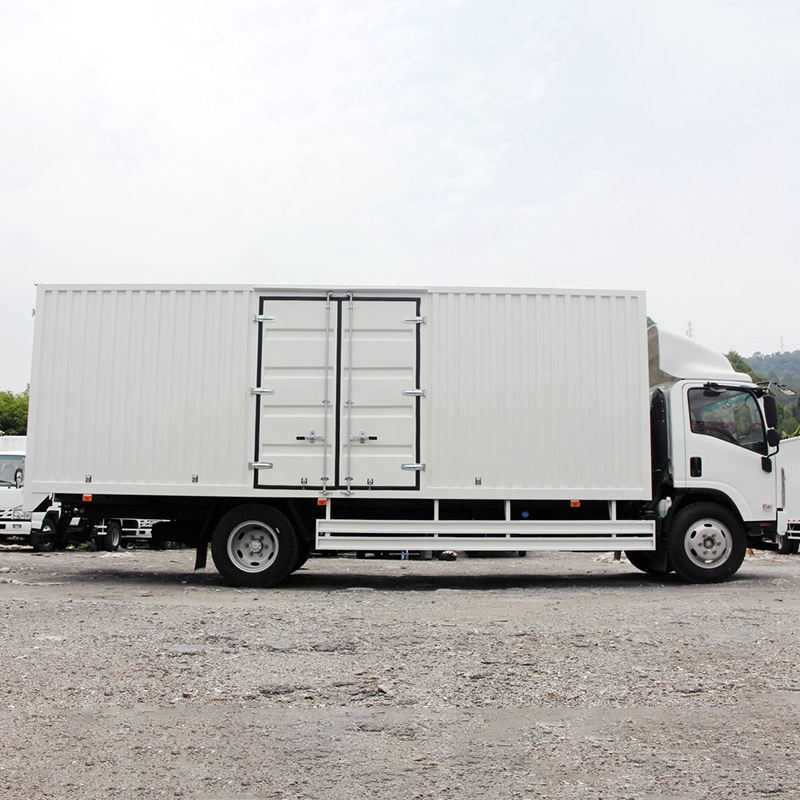
The shipping container truck has become an indispensable link in the global logistics network. It bridges sea, rail, and road transport, ensuring containers are moved seamlessly between ports, factories, and warehouses. In today’s fast-paced trading environment, businesses depend on these trucks to guarantee reliable, cost-effective, and timely delivery of goods worldwide. Whether for short-distance port hauls or cross-country freight, the shipping container truck stands as a symbol of logistical strength and precision.
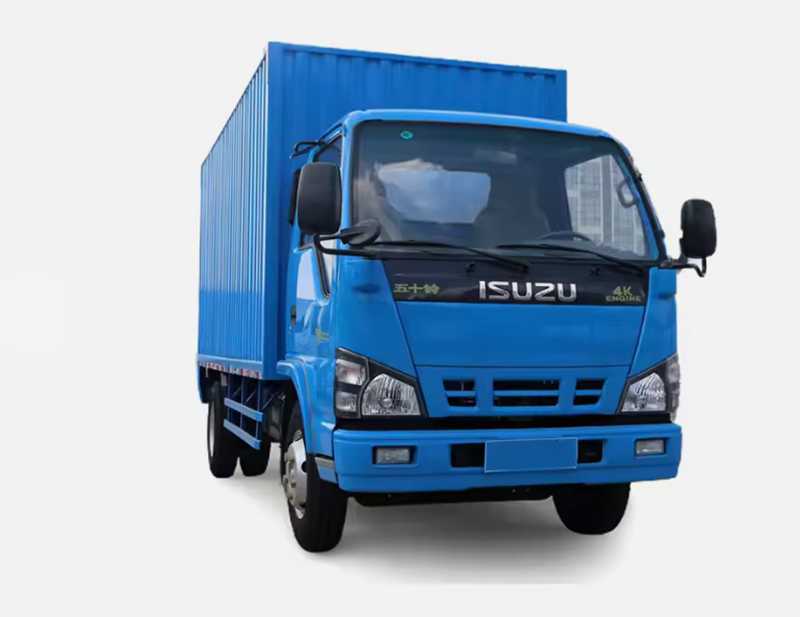
What makes a shipping container truck such a critical asset lies in its specialized design and flexibility. Here are its defining features:
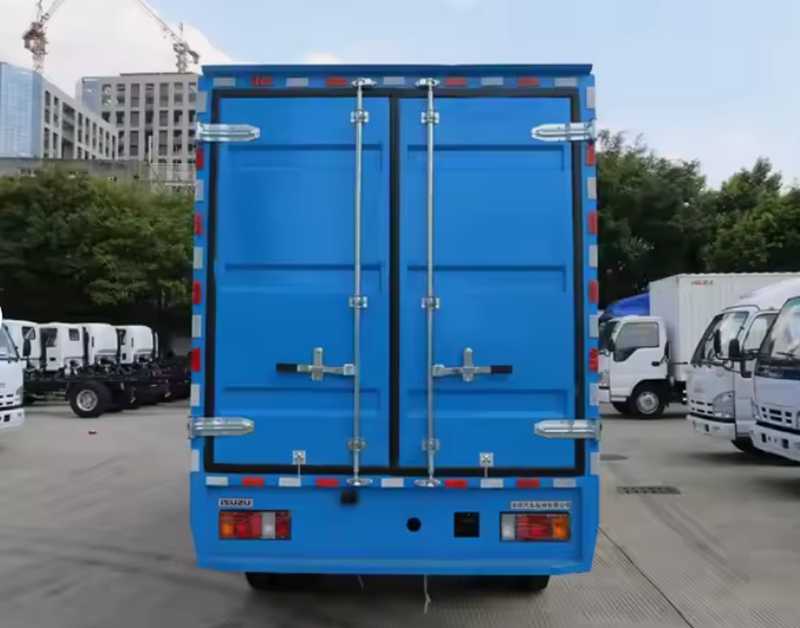
A shipping container truck serves as a workhorse across numerous industries:
| Parameter | Specification |
|---|---|
| Container Sizes Supported | 20ft / 40ft / 45ft |
| Engine Power Range | 260 – 400 HP |
| Transmission Type | 6-speed / 9-speed manual or auto |
| Axle Configuration | 4×2 / 6×4 / 8×4 |
| Payload Capacity | 20,000 – 35,000 kg |
| Chassis Type | Skeleton or Flatbed |
| Suspension | Leaf spring or air suspension |
| Braking System | ABS + Air Brakes |
The core advantage of the shipping container truck lies in its universality and standardization. Containers are built to exact dimensions, allowing seamless transfer between ships, trains, and trucks without reloading cargo. This minimizes handling time, reduces the risk of damage, and lowers operational costs.
Moreover, container trucks provide ultimate flexibility. A single vehicle can serve multiple logistics roles — from short-haul urban deliveries to long-distance intermodal freight. Their modular body design also enables fleet owners to adapt quickly to changing cargo demands.
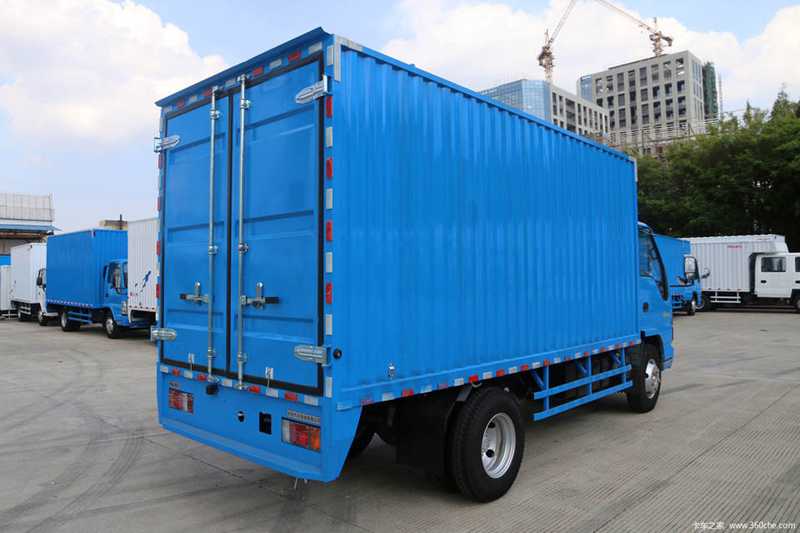
Today’s shipping container truck models are engineered with efficiency and environmental responsibility in mind. Turbocharged engines paired with automated transmissions deliver both power and fuel economy. Low-rolling-resistance tires and aerodynamic cab designs further cut down fuel consumption.
In line with global emission standards, many models now feature Euro V or Euro VI compliant engines. These trucks reduce CO₂ output while maintaining the pulling strength necessary for heavy container transport. This makes them an eco-conscious choice for companies striving for greener logistics operations.
Safety is central to the shipping container truck’s design. Advanced features such as electronic stability control, lane departure warnings, and automatic braking assistance are increasingly standard. The robust frame construction protects both driver and cargo, even in demanding road conditions.
Reliability is also a defining factor — heavy-duty axles, improved cooling systems, and corrosion-resistant coatings ensure these trucks remain operational across extreme climates and terrains. The result is less downtime and higher delivery accuracy.
In the logistics industry, efficiency equals profitability. A modern shipping container truck gives logistics operators the ability to meet tight schedules without compromising on cost control. Fleet managers appreciate the scalability of containerized transport, where one standardized truck platform can handle diverse business operations — import, export, retail, or project cargo.
Furthermore, smart logistics platforms increasingly rely on data-driven insights from these trucks. With real-time telematics, companies can plan routes dynamically, monitor fuel efficiency, and predict maintenance — resulting in significant long-term savings.
The shipping container truck is more than a transport vehicle; it’s a strategic asset that keeps the world’s trade ecosystem moving. Combining strength, adaptability, and technology, it remains the most efficient way to connect ports, factories, and markets.
For logistics companies aiming to modernize their fleets and stay competitive, investing in reliable shipping container trucks is a future-proof decision. Contact our team today to explore container transport solutions that match your business scale and route requirements — and take your freight operations to the next level.