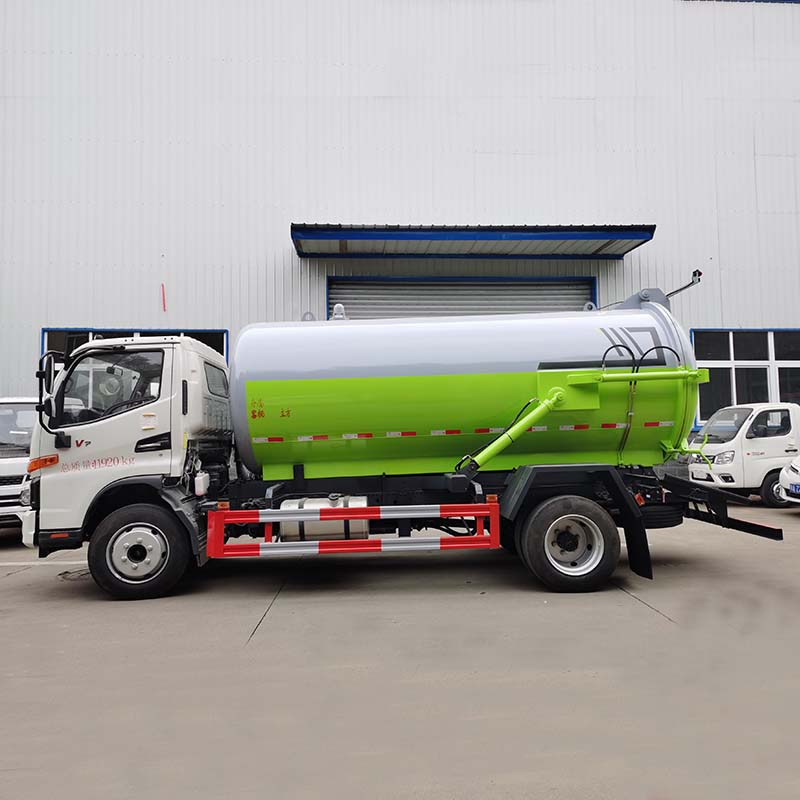
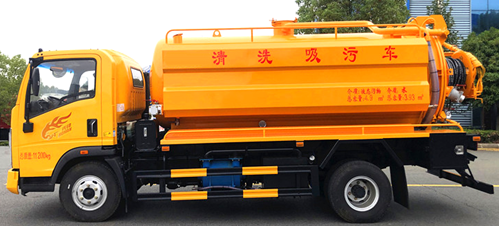
Managing industrial wastewater, sludge, and hazardous residues requires equipment that is not only powerful but also dependable. For many businesses, searching for a Safe Vacuumn Truck near me has become a priority, especially when handling routine plant maintenance, emergency clean-ups, or environmental compliance tasks. This article explores how these vacuum trucks work, what features define a “safe” model, and how buyers and facility managers can choose the right equipment with confidence.
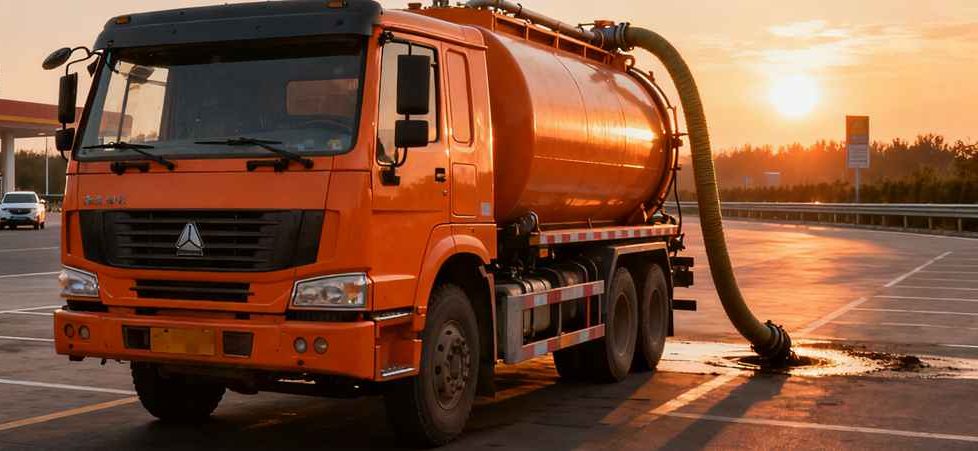
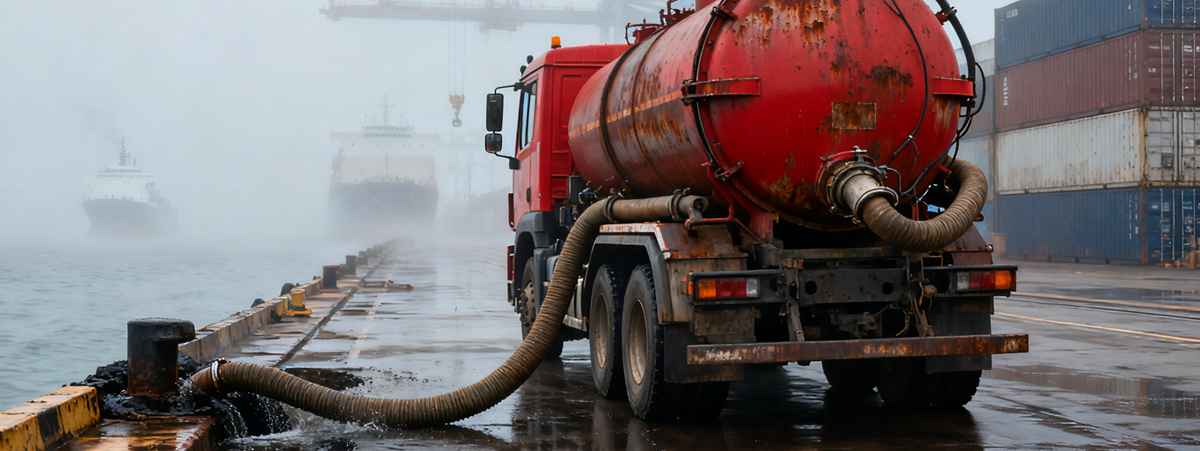
A vacuumn truck is engineered to transport liquid waste, slurries, semi-solids, and other materials that require sealed, hygienic, and secure handling. The keyword Safe Vacuumn Truck near me emphasizes the growing need for equipment that adheres to strict safety standards—both for operators and for the surrounding environment.
To ensure full compliance, these trucks are typically used in:
*Municipal sewage extraction
*Industrial wastewater pumping
*Oil and chemical residue collection
*Drain and sewer maintenance
*Environmental spill response
*Construction site cleanup
Because these operations involve pressured tanks, suction systems, and hazardous substances, selecting a “safe” model is a critical decision.
When companies or buyers search for vacuum trucks, safety, reliability, and efficiency lead the list of requirements. The following features help determine whether a truck meets modern industrial standards.
A safe unit should include reinforced steel tanks with anti-corrosion coatings. Proper sealing prevents leaks during suction, transport, or unloading.
A powerful vacuum pump—often rotary vane or liquid-ring—ensures stable and continuous suction. Multi-stage filters protect the pump, extend service life, and keep contaminants contained.
Pressure build-up is a primary hazard. A Safe Vacuumn Truck near me must include calibrated pressure-release valves and real-time monitoring gauges.
Common features include emergency stop systems, non-slip platforms, high-visibility lights, and insulated control zones that keep operators clear of risk.
Emission controls, spill-free discharge systems, and sealed transfer hoses reduce environmental exposure.
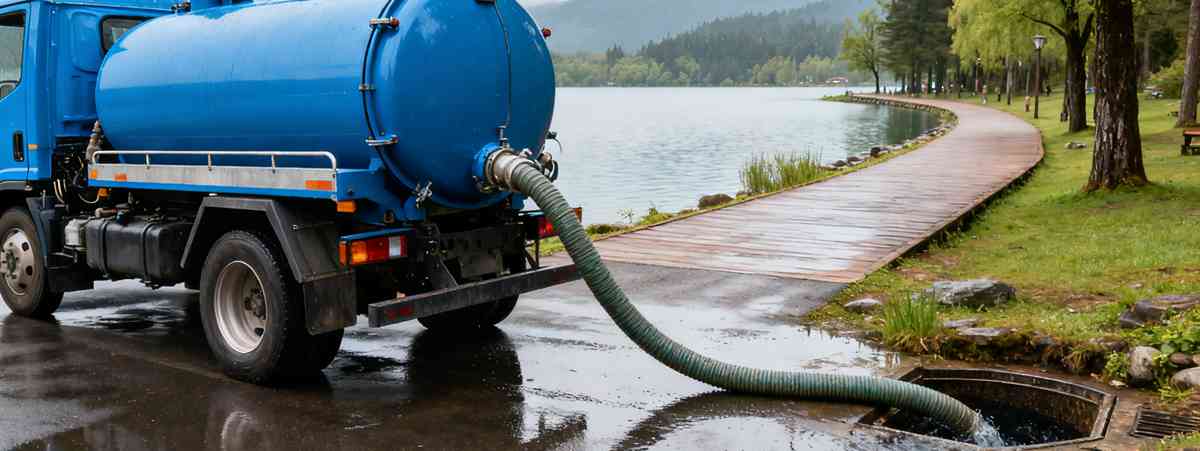
Below is a sample specification table that buyers often use to compare equipment:
| Specification | Typical Range |
|---|---|
| Tank Capacity | 3,000 – 12,000 L |
| Vacuum Pump Flow Rate | 600 – 1,500 m³/h |
| Vacuum Pressure | -0.08 – -0.095 MPa |
| Tank Material | Carbon steel / stainless steel |
| Discharge Method | Hydraulic tipping or pressure discharge |
| Safety Features | Relief valve, emergency stop, anti-overflow |
| Application | Sewage, sludge, wastewater, industrial waste |
These specifications help determine performance, service costs, and suitability for municipal or industrial projects.
A standard vacuum truck can perform basic tasks, but a model labeled “safe” brings added benefits:
Reduced environmental risk during transport
Higher operator protection in high-pressure situations
Compliance with local waste regulations
Lower contamination risk for urban and industrial zones
More reliable performance for continuous heavy-duty operations
When a facility depends on routine sludge removal or wastewater pumping, reliability becomes a necessity—not a luxury.
If you are considering purchase or rental, the following steps help simplify decision-making:
Ensure the truck meets national and industry standards for pressure vessels, hazardous waste transport, and emission levels.
A safe truck is not only built well—it is maintained well. Access to local service technicians is essential.
Ask vendors for case studies showing successful use in municipal projects, factories, or construction sites.
Before committing, check the tank welds, relief valves, hydraulic lines, and pump condition.
Choosing the right vacuum truck means protecting workers, the environment, and your entire operation. Whether for wastewater management, industrial cleanup, or emergency response, searching for a Safe Vacuumn Truck near me leads to safer, more efficient, and more compliant waste-handling solutions. Investing in the right equipment ensures long-term durability and operational confidence in every project.