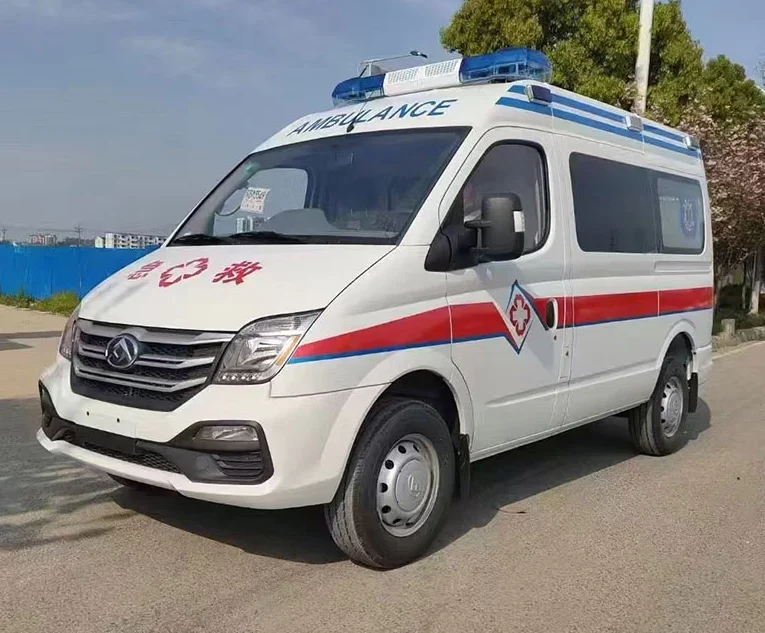
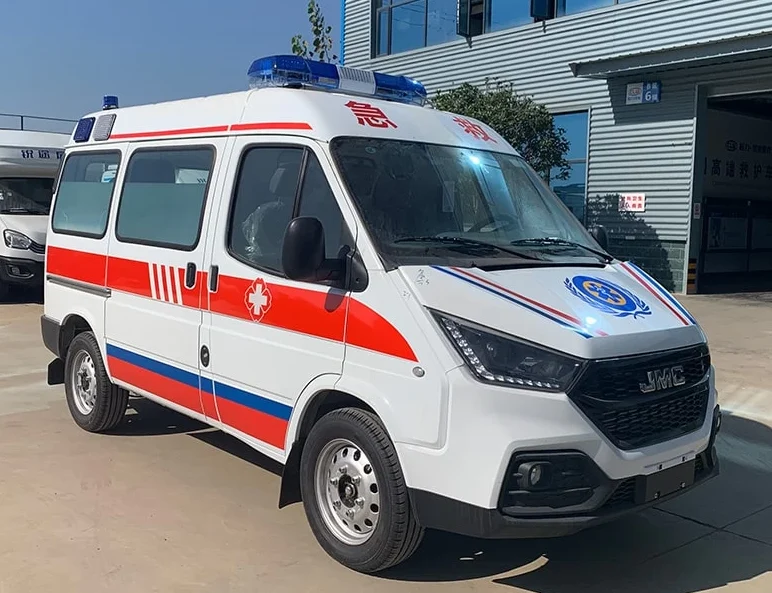
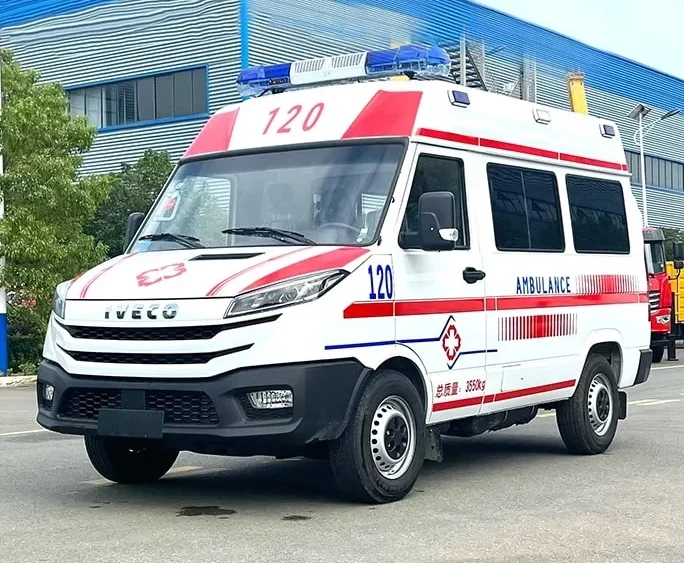
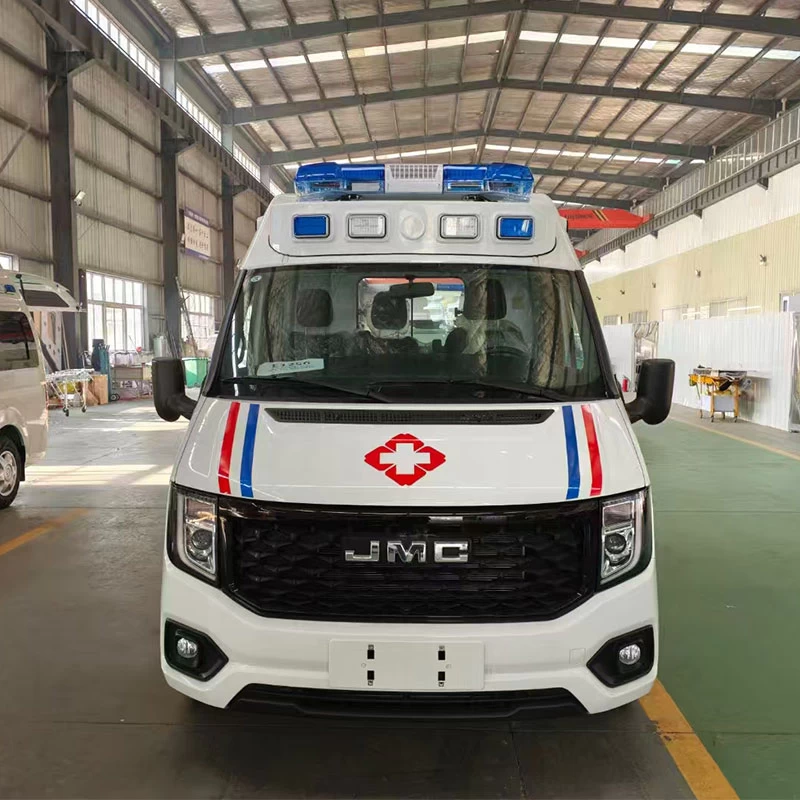
Private medical transport refers to dedicated, non-emergency transportation services designed to move patients safely and comfortably between locations while addressing specific medical or mobility needs. Unlike standard transport options, private medical transport focuses on individualized care, scheduling flexibility, and controlled environments that support patient well-being.
These services are commonly used by individuals, families, healthcare institutions, and care facilities that require reliable transportation without the urgency of emergency response. As healthcare delivery becomes more patient-centered, private medical transport plays an increasingly important role in ensuring continuity of care outside hospital walls.
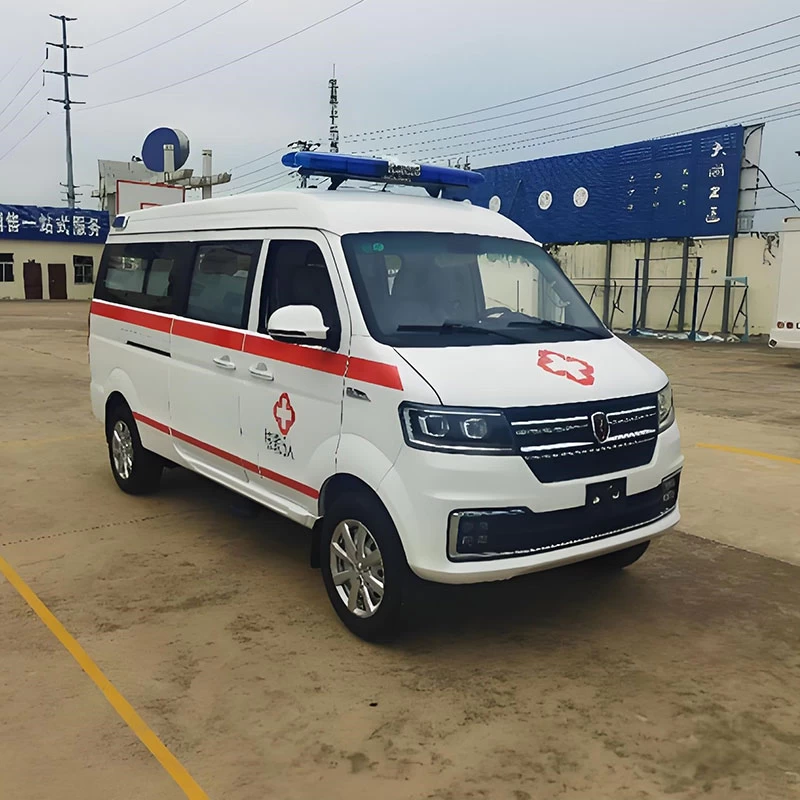
Private medical transport is structured around patient safety, comfort, and consistency. Typical service characteristics include:
These characteristics allow private medical transport providers to deliver a higher level of care and attention compared with general transportation services.
The demand for private medical transport spans a wide range of healthcare and personal care scenarios. Common use cases include:
By providing consistent and dependable mobility, private medical transport helps patients maintain regular access to essential healthcare services.
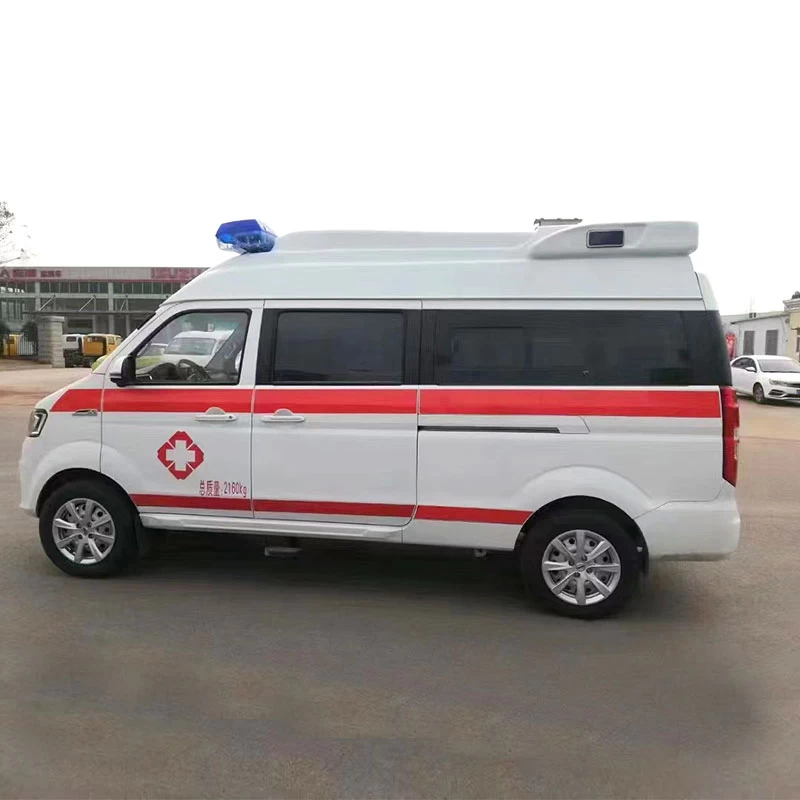
Choosing private medical transport offers several advantages when compared with conventional transport methods:
Patient-Focused Safety: Vehicles and procedures are specifically designed to accommodate medical and mobility requirements.
Comfort and Dignity: Controlled environments reduce stress and ensure a respectful transport experience.
Scheduling Reliability: Pre-arranged services reduce delays and missed appointments.
Reduced Caregiver Pressure: Families and caregivers can rely on trained personnel for safe patient transfers.
Continuity of Care: Consistent transport supports better coordination between patients and healthcare providers.
While configurations may vary depending on regional standards and service scope, the following table outlines common technical and operational elements found in private medical transport solutions:
| Aspect | Typical Configuration |
|---|---|
| Vehicle Type | Specialized medical transport vehicle or van |
| Interior Layout | Patient seating or stretcher space with secure restraints |
| Accessibility | Ramps, steps, or assisted entry systems |
| Climate Control | Independent heating and air conditioning |
| Staff Support | Drivers trained in patient assistance and safety |
| Hygiene Standards | Medical-grade surfaces and routine sanitation |
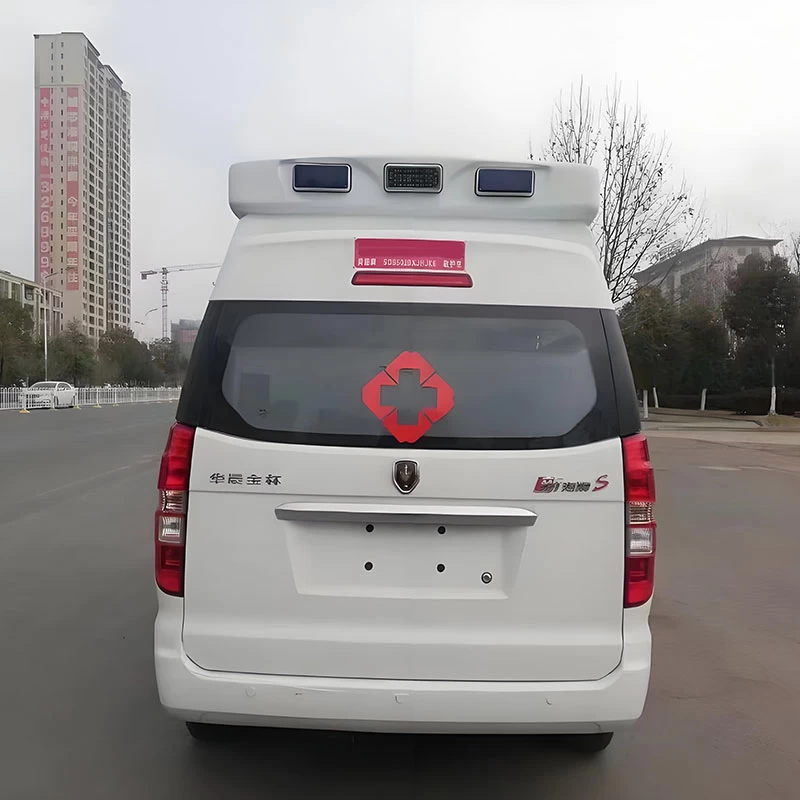
As healthcare systems emphasize outpatient care, home recovery, and long-term management, private medical transport has become an essential supporting service. It enables healthcare providers to extend care beyond clinical settings while ensuring patients arrive safely and on time.
For individuals with ongoing medical needs, private medical transport also provides predictability and peace of mind, reducing anxiety associated with travel and logistics.
Private medical transport offers a dependable and patient-focused approach to medical mobility. By combining safety, comfort, and professional support, it addresses the practical challenges of traveling for healthcare without relying on emergency services.
If you are considering transportation options for ongoing care, recovery support, or facility coordination, exploring private medical transport solutions can help ensure reliable access to healthcare while maintaining dignity and comfort throughout every journey.