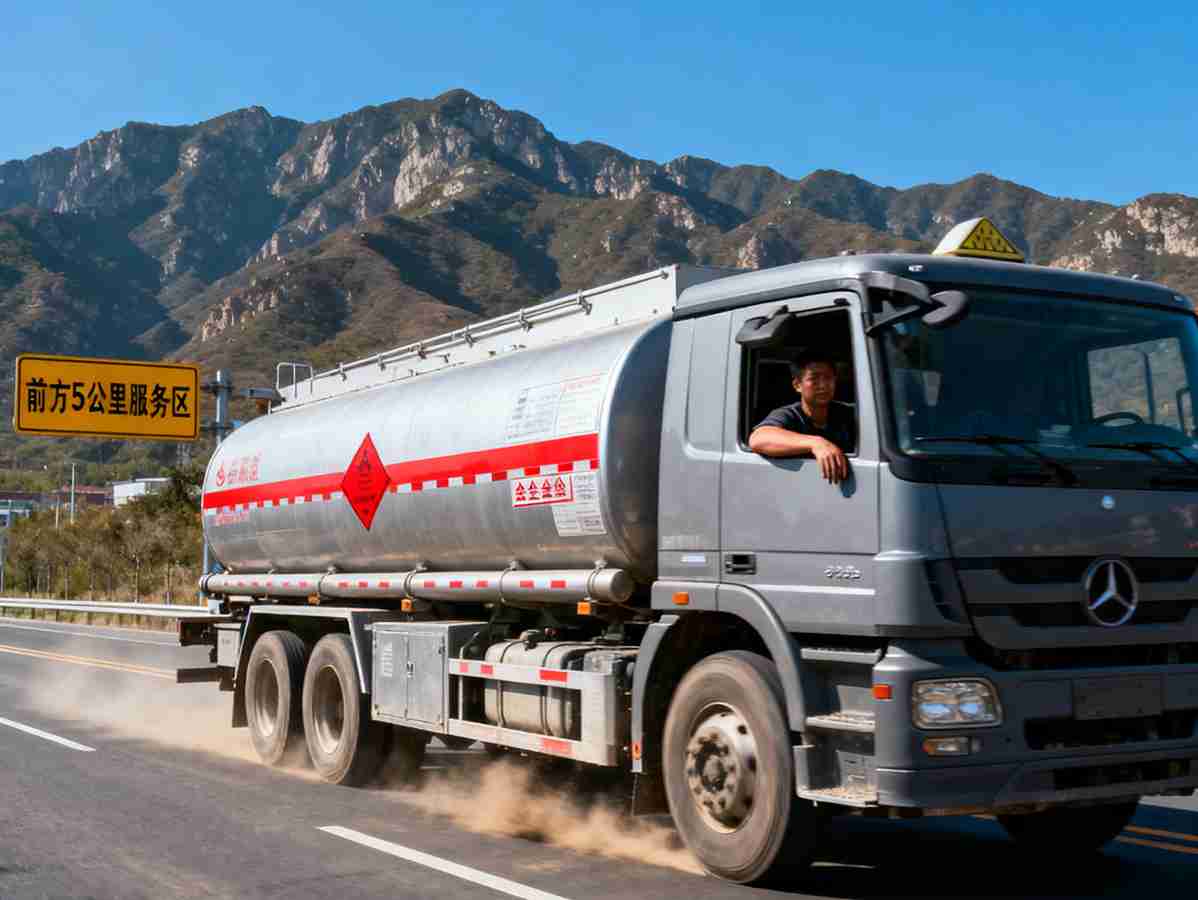
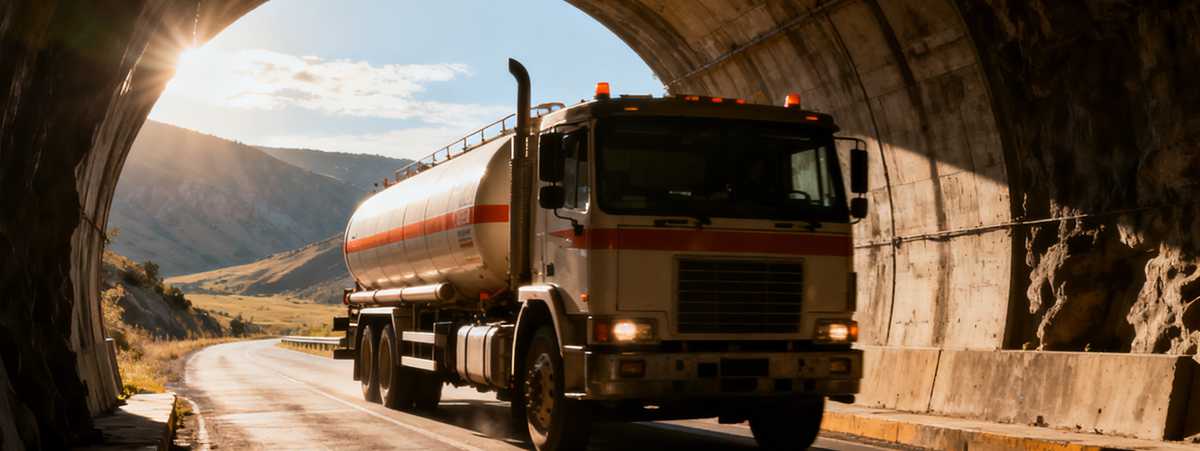
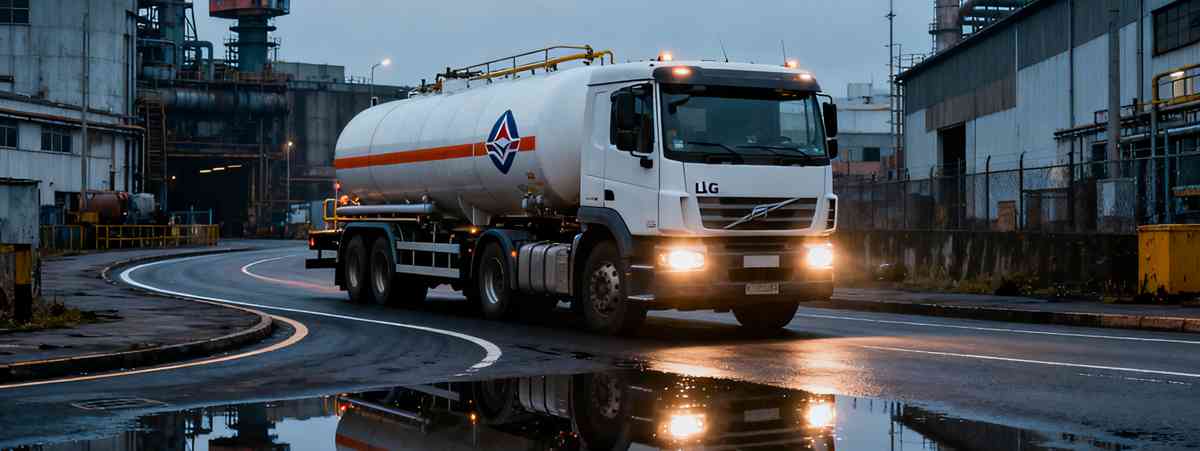
An oil tanker truck is a specialized commercial vehicle designed to transport large quantities of liquid fuels and petroleum products safely and efficiently over road networks. Unlike standard cargo trucks, an oil tanker truck incorporates a reinforced tank body, advanced pumping systems, and safety features tailored to handle flammable and hazardous liquids such as gasoline, diesel, and crude oil. These vehicles are integral to fuel logistics, serving distributors, fuel stations, industrial facilities, and energy supply chains worldwide.
The primary purpose of an oil tanker truck is to transport and deliver fuel from production hubs, terminals, and refineries to retail points, construction sites, airports, and other end users. To accomplish this, these trucks are engineered with robust tanks, segmented compartments, and safety systems that comply with regulatory standards for hazardous materials.
Oil tanker trucks can range from smaller local delivery units to large-capacity vehicles designed for long-distance freight. Most modern designs divide the tank into multiple compartments, which helps stabilize the load and enables the transport of different fuel types in a single trip.
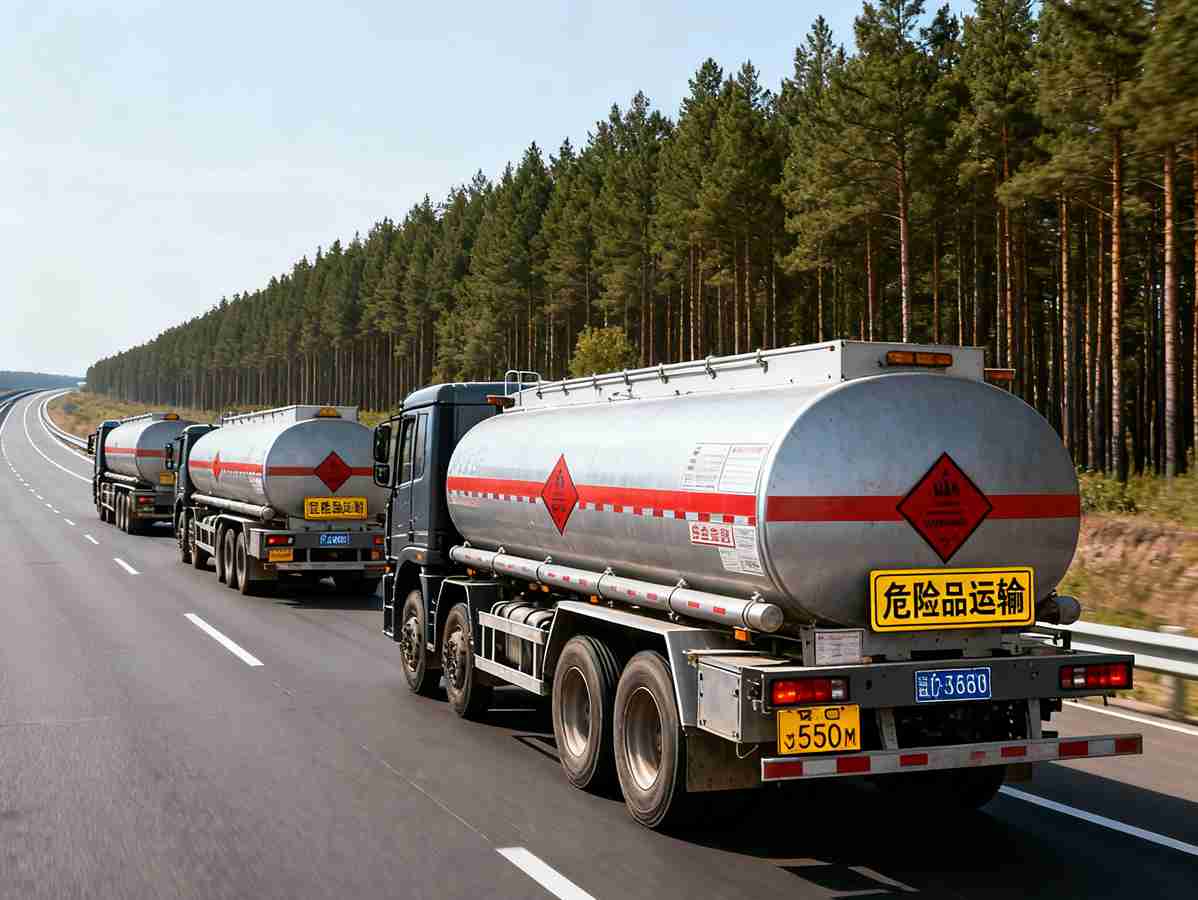
Oil tanker trucks are essential across multiple sectors where reliable liquid fuel delivery is required:
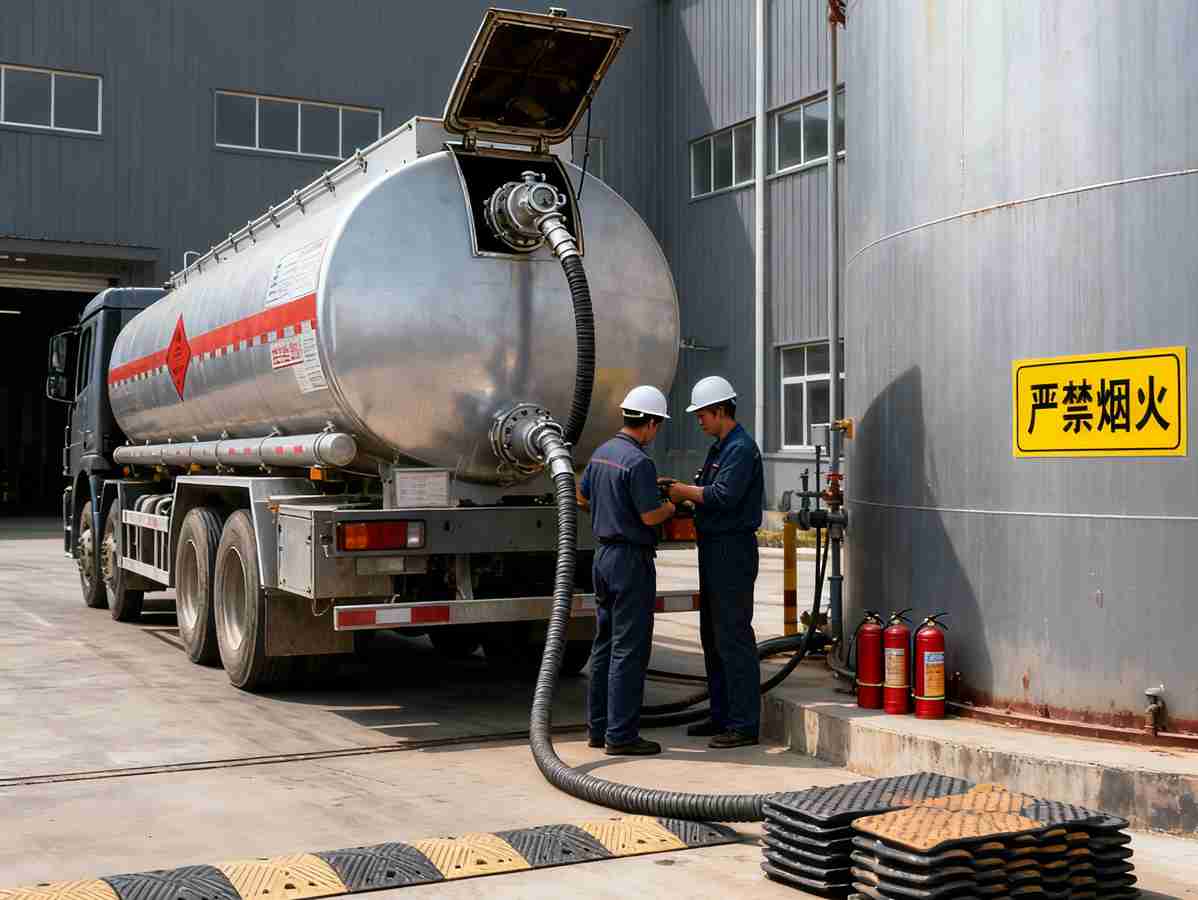
Because oil tanker trucks transport flammable and potentially hazardous liquids, they must comply with strict safety and transport regulations set by authorities such as the Department of Transportation (DOT) and other national bodies. Requirements typically include proper labeling, regular inspections, pressure relief systems, and driver training for hazardous materials handling.
Advanced safety systems—like emergency shut-off valves and rollover protection—are often incorporated to minimize environmental risks in case of accidents. These safeguards help reduce spills, prevent over-pressurization, and ensure controlled delivery of contents.
An oil tanker truck is a vital logistical asset in the energy sector, enabling the safe transport of petroleum and fuel products between production, refining, and consumption points. Its engineered tank design, safety mechanisms, and operational versatility make it indispensable for fuel distribution, industrial support, and emergency services. Whether serving urban centers or remote locations, these trucks ensure continuous fuel availability—a key driver of modern economic activity.
For businesses planning to acquire oil tanker trucks, consulting industry experts can help align specifications with operational requirements and regulatory compliance, ensuring efficient and safe fleet performance.