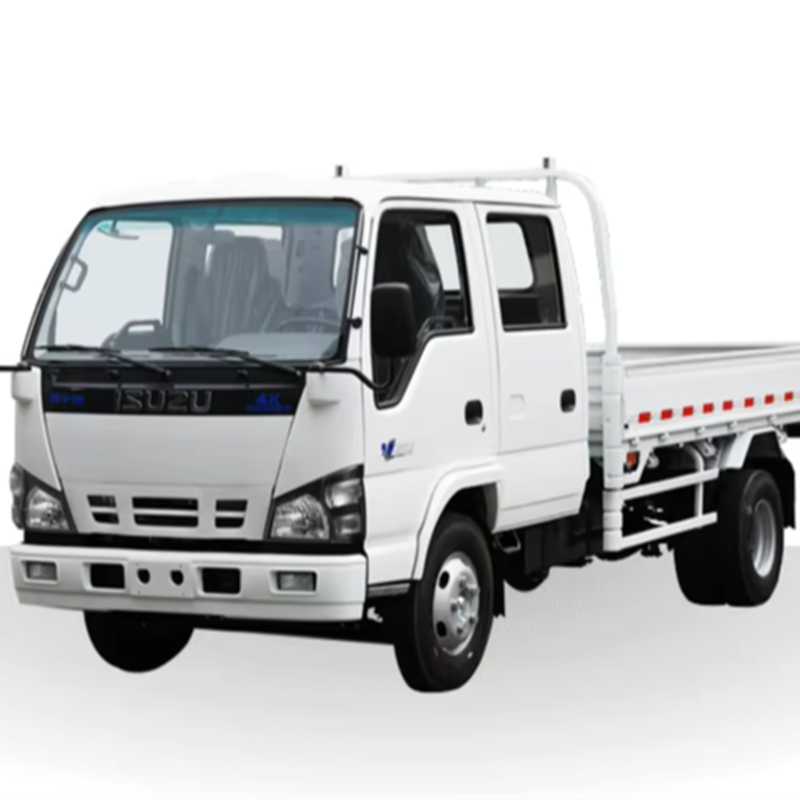
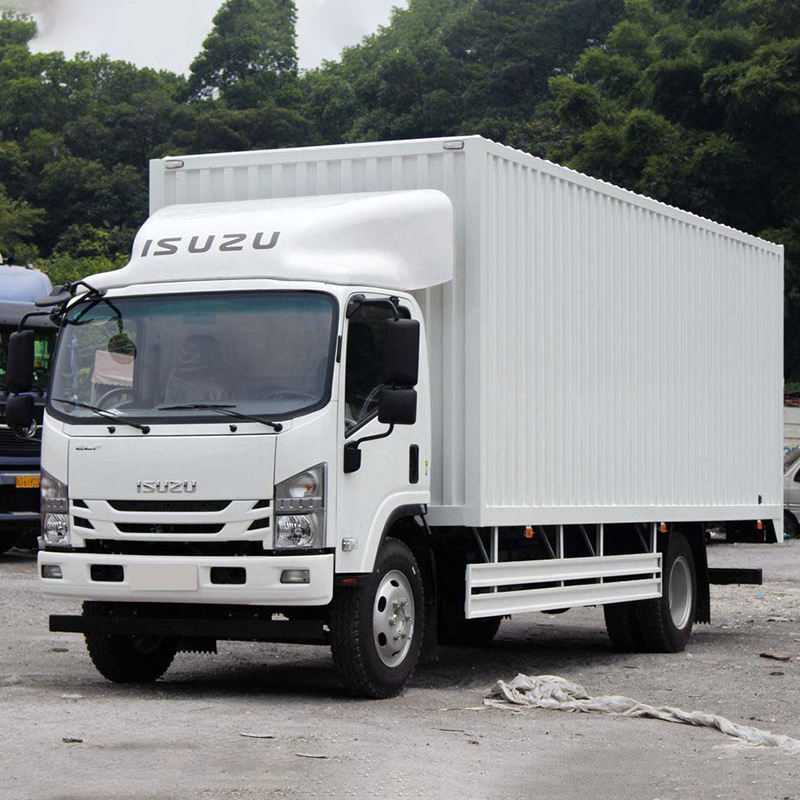
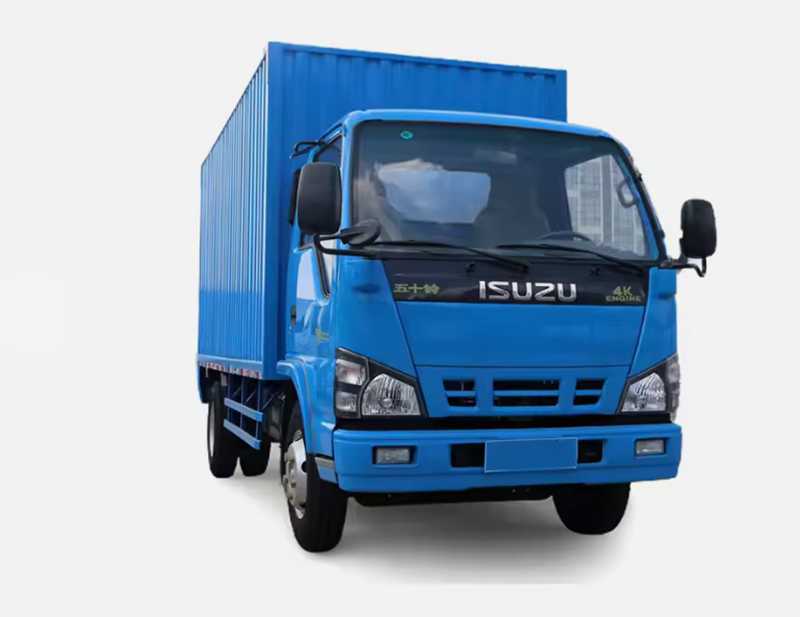
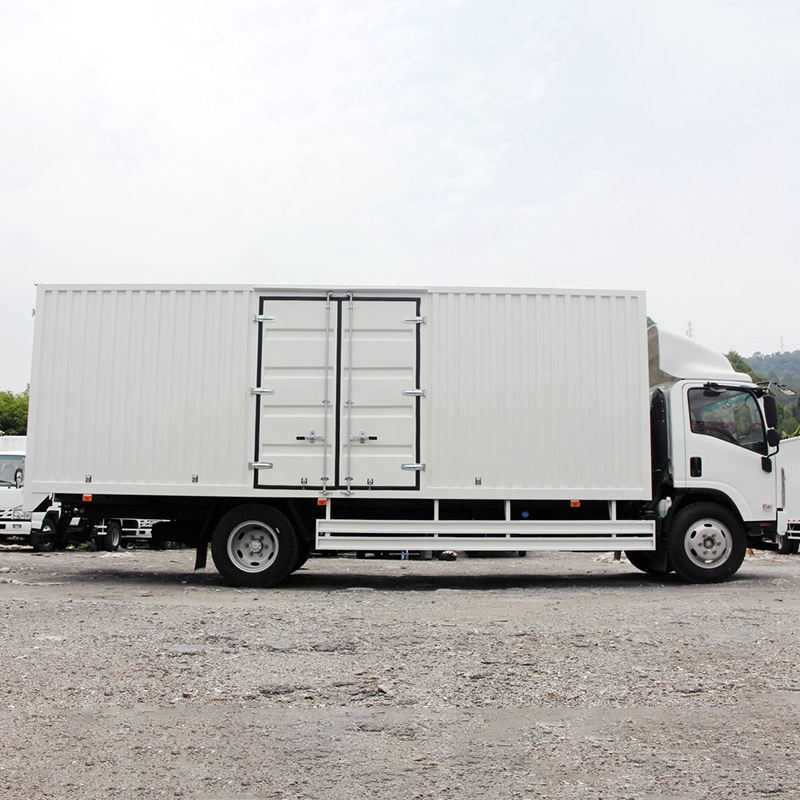
The rise of sustainability-focused logistics and evolving commercial demands has accelerated interest in the new electric truck. This emerging vehicle type is more than a trend; it represents a pivotal shift in how businesses move goods and how fleets adapt to stricter emissions standards worldwide. From urban delivery to regional transport, the technology behind these trucks continues to gain traction, making them a compelling solution for companies seeking cleaner, quieter, and more efficient mobility.
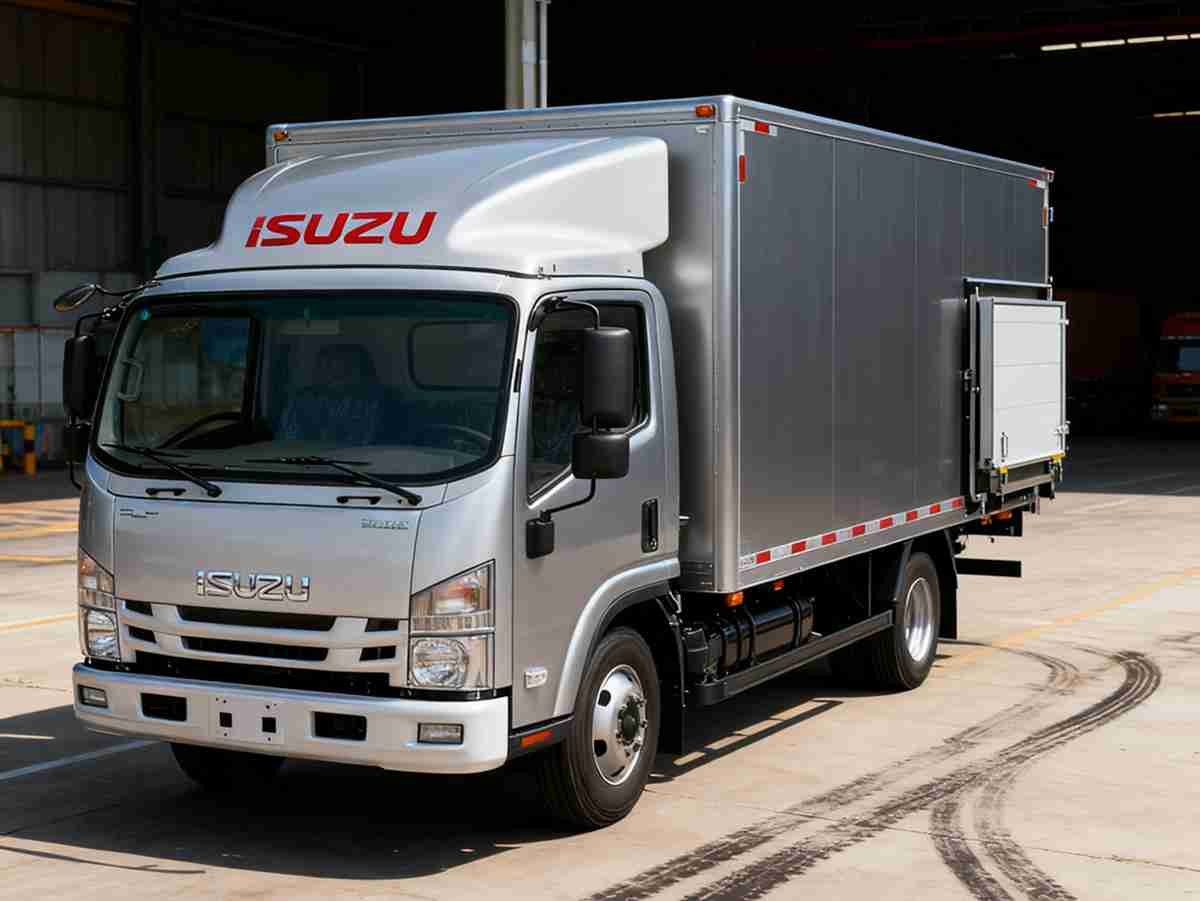
A new electric truck delivers a combination of performance, reduced emissions, and operational efficiency. Unlike traditional diesel-powered models, electric trucks rely on advanced batteries, regenerative braking, and high-efficiency motors to provide smoother driving and consistent torque output. They are ideally suited for sectors that value environmental responsibility, lower maintenance needs, and predictable route patterns such as city logistics, last-mile distribution, and controlled-temperature transport.
Modern electric trucks offer an evolving suite of features that enhance productivity and ensure reliable performance. Key characteristics often include:
The new electric truck suits a wide range of industries looking to lower carbon footprints and streamline operations. Common applications include:
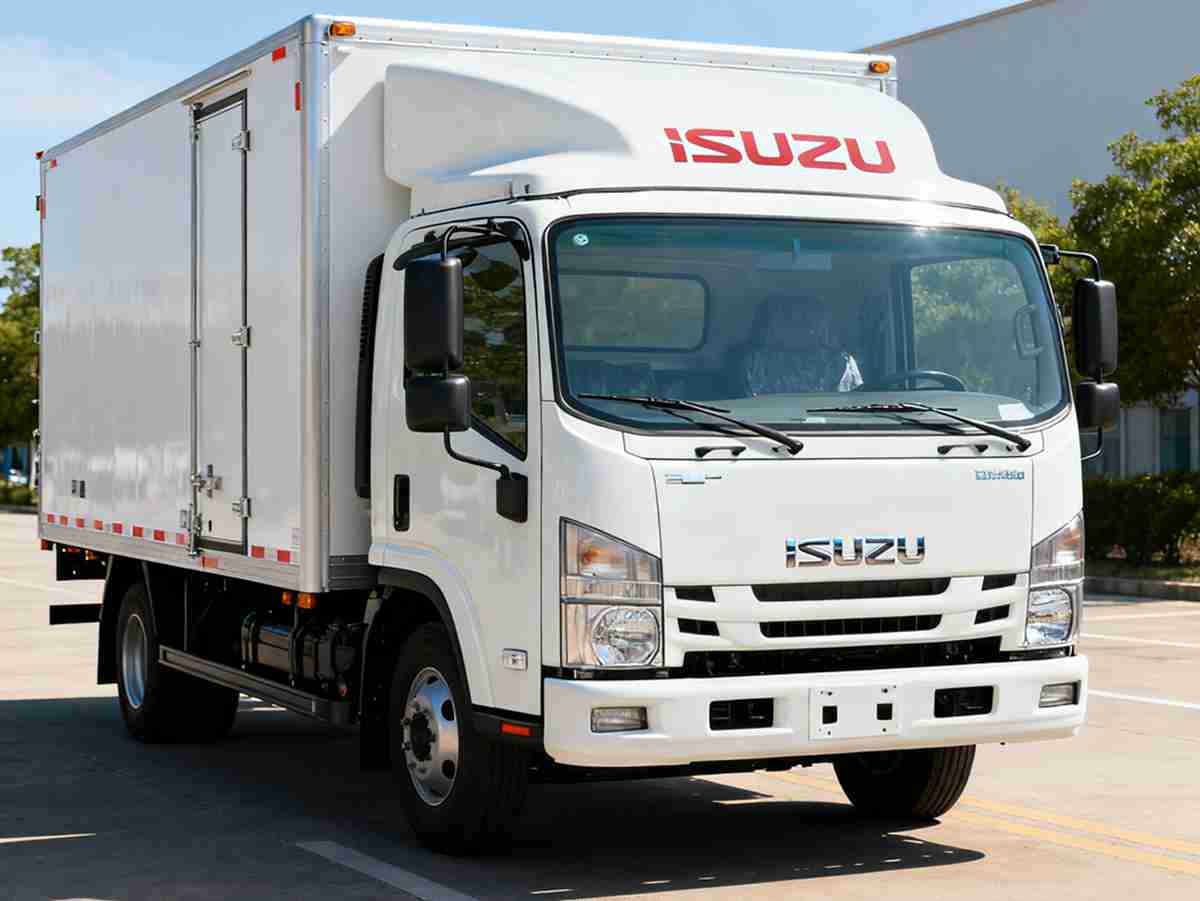
Choosing a new electric truck provides notable benefits compared to traditional internal-combustion alternatives. These advantages span financial, operational, and environmental categories, allowing fleets to future-proof their operations in a rapidly changing market.
The table below outlines representative technical parameters commonly associated with a new electric truck. Values may vary depending on the specific configuration, battery chemistry, and body application.
| Specification | Typical Range |
|---|---|
| Battery Capacity | 120–300 kWh |
| Driving Range per Charge | 180–350 km |
| Motor Power Output | 150–250 kW |
| Maximum Payload | 3–8 tons (depending on chassis) |
| Charging Time (Fast Charge) | 45–90 minutes |
| Charging Time (AC Standard) | 6–10 hours |
| Regenerative Braking Efficiency | Up to 20% energy recovery |
As global markets shift toward cleaner transportation, adopting a new electric truck is no longer just a forward-thinking decision—it is a practical move for businesses seeking reliability, efficiency, and long-term sustainability. With its compelling blend of advanced engineering, lower operational demands, and broad application potential, this type of truck is becoming a central player in modern fleet strategies.
If you’re exploring greener transportation options or planning to expand your fleet with next-generation vehicles, feel free to reach out for more detailed specifications, customization choices, or expert consultation. The future of logistics is electric—your transition can start today.