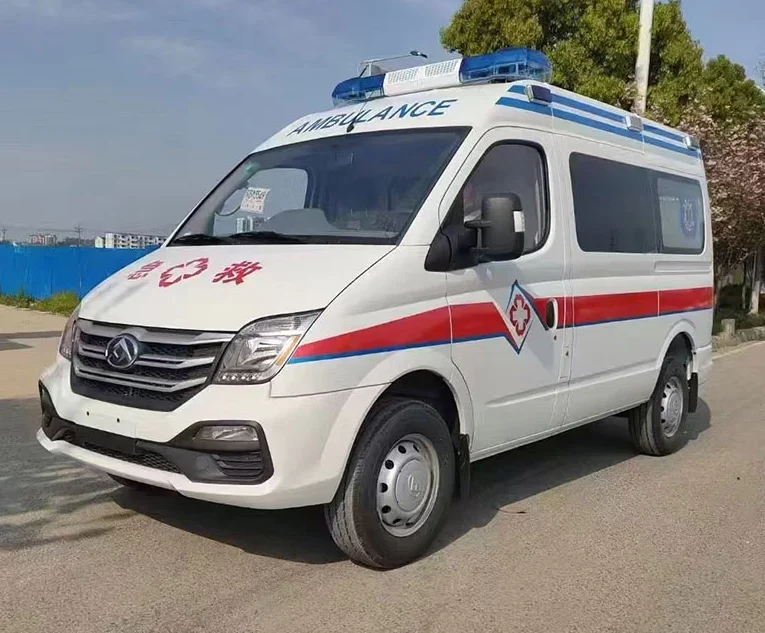
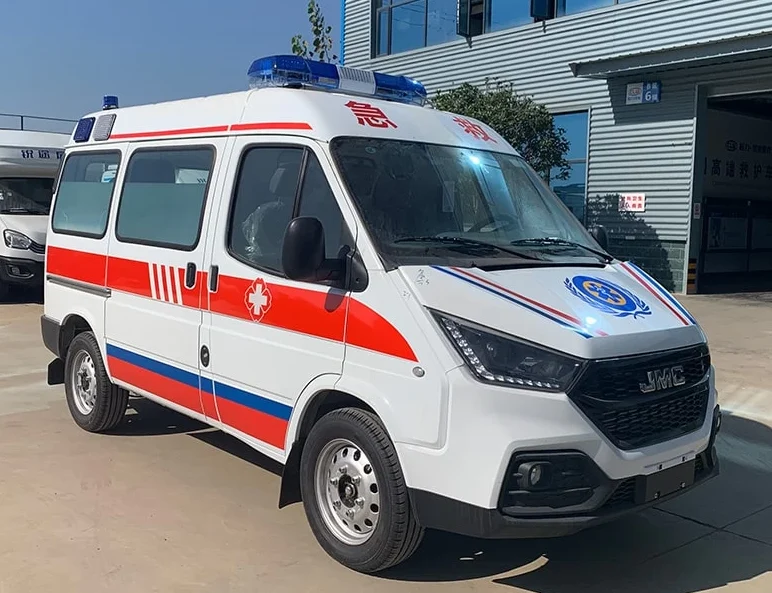
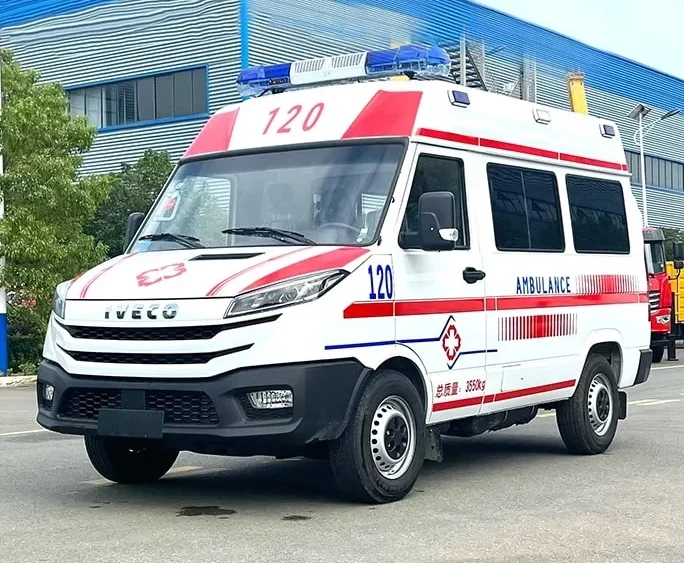
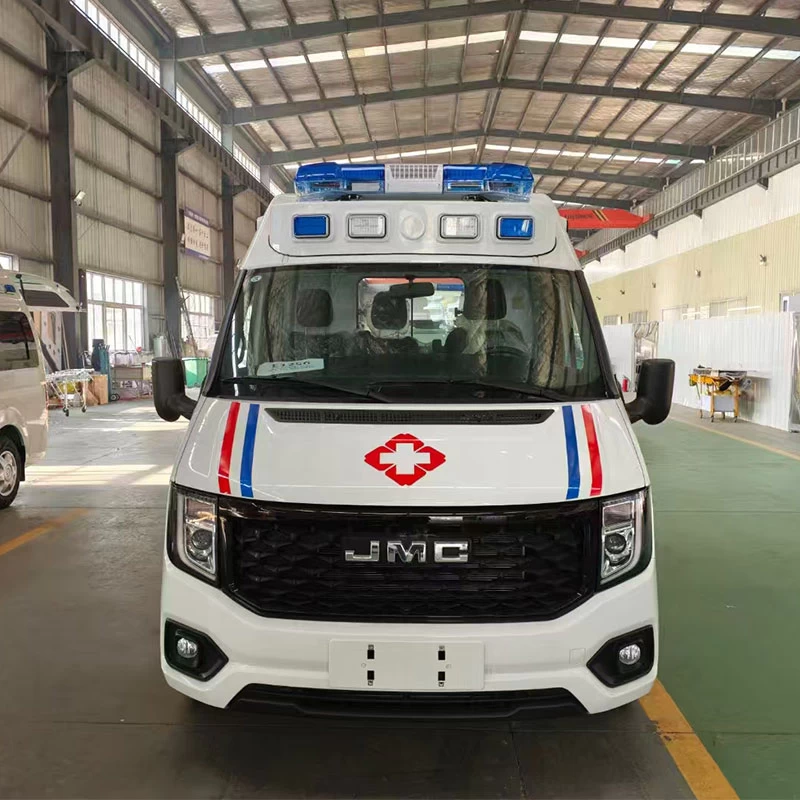
As modern healthcare systems face rising demand for flexible, accessible medical services, the role of mobile medical vehicles is becoming increasingly essential. These specialized units function as fully equipped clinics on wheels, designed to bring medical care directly to underserved neighborhoods, remote towns, industrial sites, disaster zones, and community outreach locations. With the global shift toward patient-centered care, mobile medical solutions offer a practical way to reach individuals who may otherwise struggle to access traditional facilities.

Unlike traditional brick-and-mortar clinics, mobile medical vehicles allow healthcare providers to expand their reach without the need for additional permanent infrastructure. These units can be configured for primary care, diagnostics, dental services, occupational health screening, vaccinations, emergency response, and even specialty services such as ophthalmology or maternal health. They play a vital role in bridging healthcare gaps while maintaining the same safety and quality standards found in stationary medical environments.
Mobile medical vehicles support a growing list of applications as healthcare organizations look for innovative ways to extend their reach. The following sectors benefit strongly from mobile medical deployment:

The growing demand for mobile healthcare is driven by several core advantages that make these units more than just temporary solutions—they are strategic tools for long-term public health management.
Mobile medical units vary by purpose and design, but most follow standardized technical expectations to ensure operational safety and compliance with healthcare guidelines.
| Specification | Typical Configuration |
|---|---|
| Vehicle Size | 6–12 meters, depending on clinic type and number of exam rooms |
| Power System | Generator + optional solar support, medical-grade electrical stabilization |
| Interior Layout | 1–3 exam rooms, waiting area, storage cabinets, sanitation fixtures |
| Medical Equipment Support | Compatible with imaging devices, monitoring systems, lab analyzers |
| Climate Control | Dual-zone HVAC to maintain controlled medical environments |
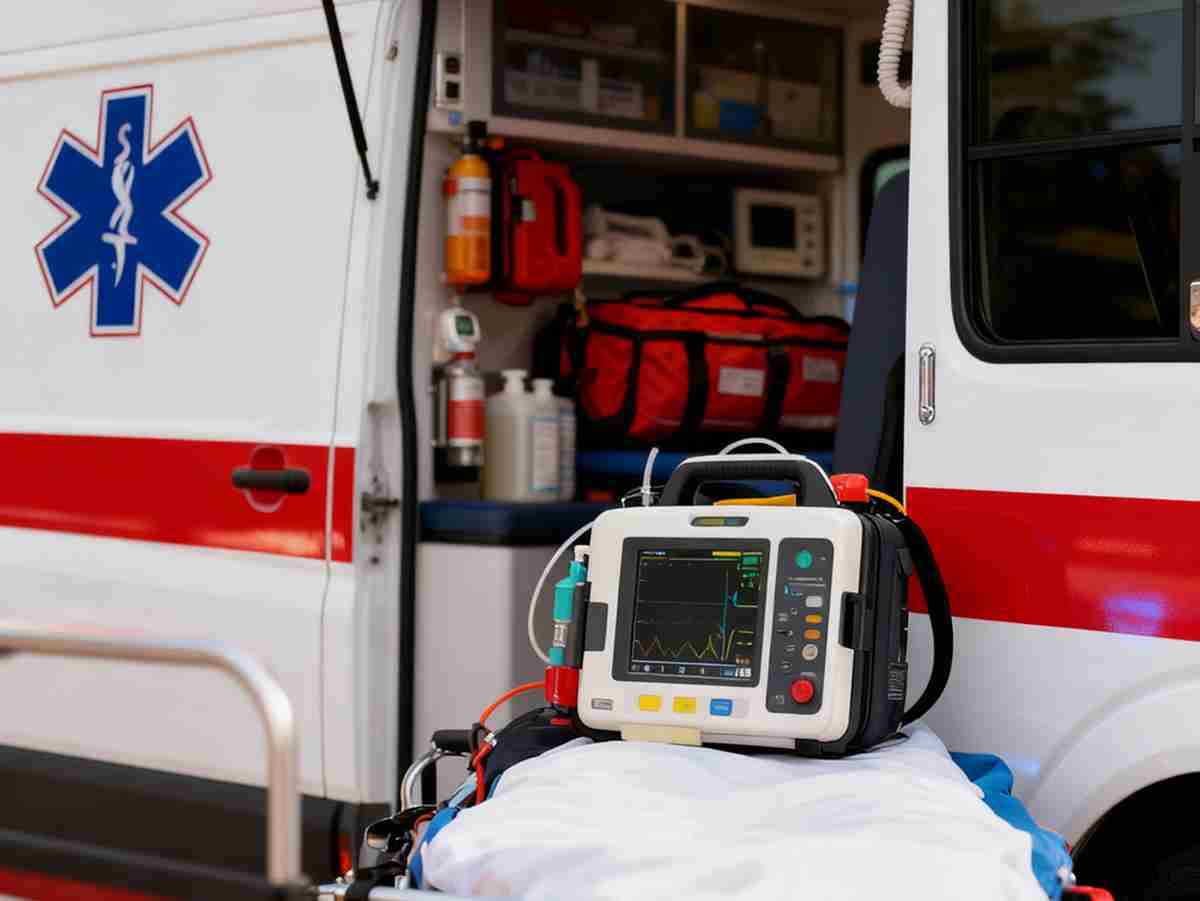
As health systems continue to expand mobile outreach efforts, mobile medical vehicles serve as essential tools for preventive care, early diagnosis, and rapid response. Their ability to operate in challenging environments makes them particularly valuable for nationwide health initiatives, community partnerships, and private healthcare providers seeking a flexible service model. This mobility not only shortens the distance between patients and healthcare professionals but also strengthens long-term health outcomes through consistent, accessible care.
For organizations aiming to enhance coverage, strengthen community outreach, or respond quickly to urgent medical needs, mobile medical vehicles offer a reliable and effective solution. Their versatility, mobility, and clinical capability make them indispensable assets in modern healthcare delivery. If your organization is exploring ways to improve service accessibility or expand a medical program, mobile medical vehicles provide a practical path forward. You’re welcome to reach out for further guidance, customization options, or project planning support.