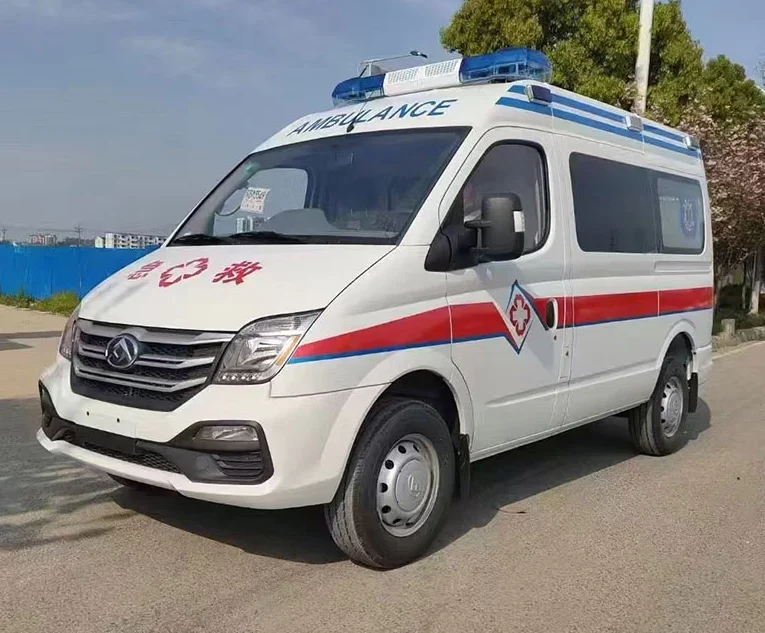
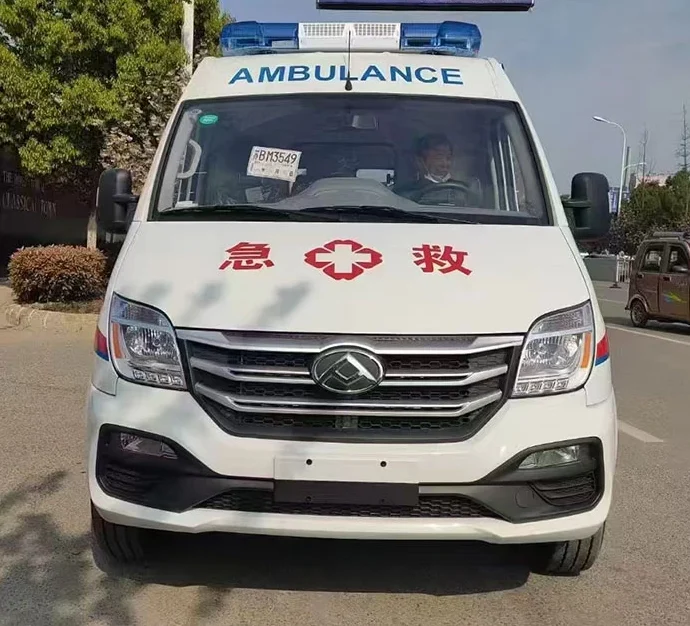
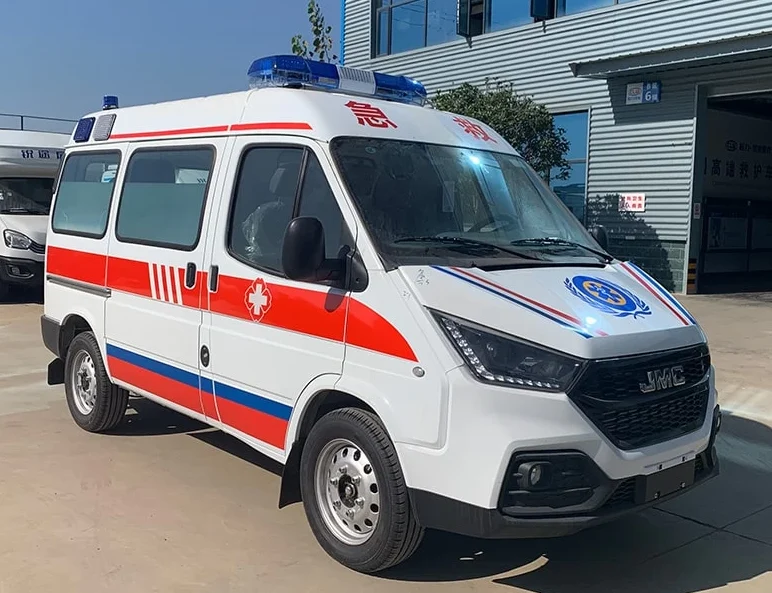
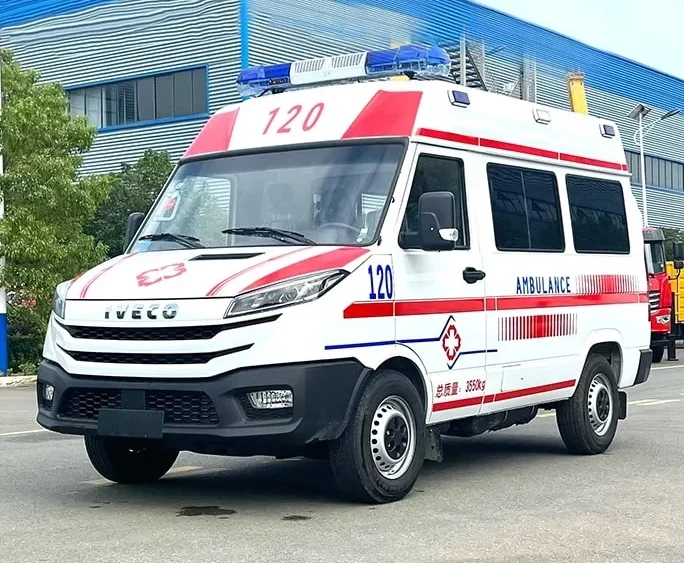
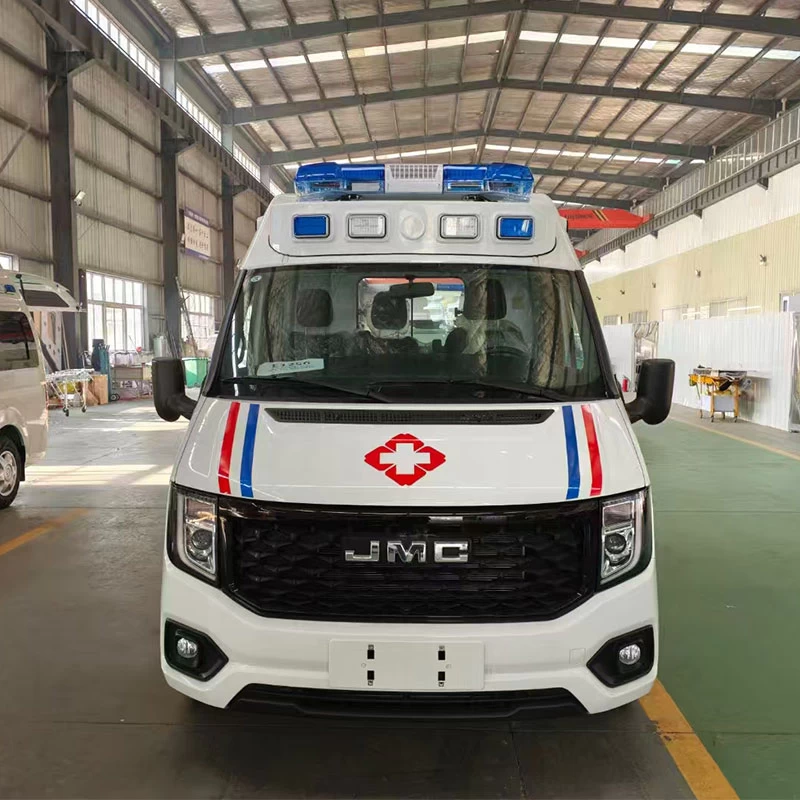
Innovative healthcare delivery solutions are becoming increasingly important as communities demand faster, more flexible access to essential services. Among these solutions, the mobile medical clinic vehicle stands out for its ability to take healthcare directly to the people who need it most. With customizable layouts, clinical-grade equipment options, and robust mobility, this type of medical unit has become a key asset for hospitals, NGOs, and public health agencies.
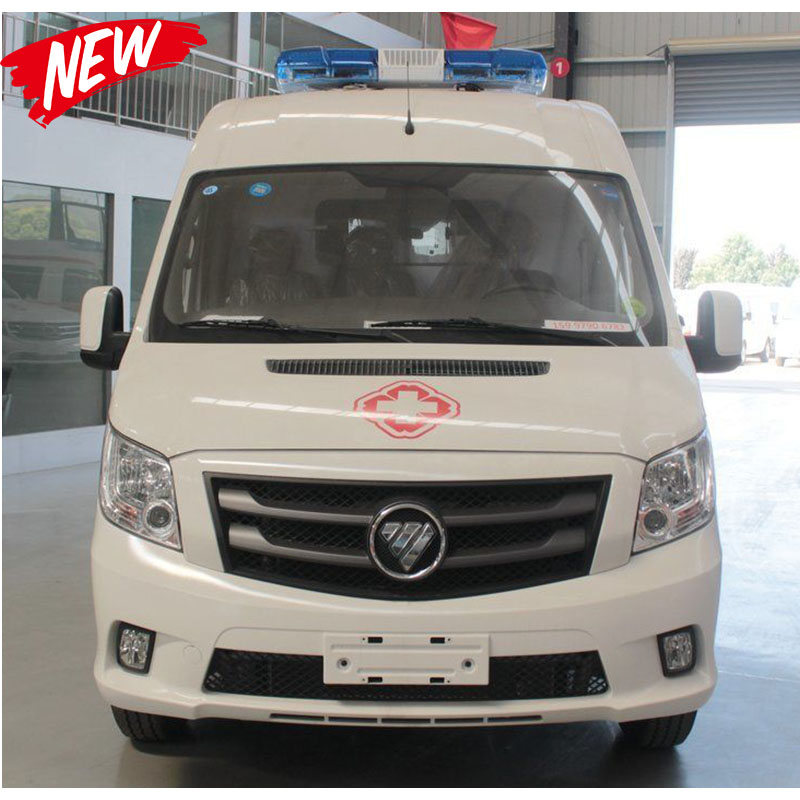
A modern mobile medical clinic vehicle functions as a self-contained medical workspace that can travel to underserved regions, high-traffic public locations, or areas affected by emergencies. Instead of requiring patients to navigate long distances or busy hospital systems, healthcare providers can operate closer to communities, improving accessibility and patient compliance.
These vehicles are typically used for routine consultations, preventive screenings, maternal care, health education, follow-up visits, and chronic disease monitoring. Their adaptability allows them to serve urban neighborhoods, mining sites, rural villages, or temporary shelters after natural disasters.
To ensure practical and safe operation, the mobile medical clinic vehicle is engineered with a range of clinical, operational, and comfort-focused features:
Each configuration can be tailored according to the operator’s medical mission—whether that involves public health campaigns, occupational health services, or mobile primary care programs.
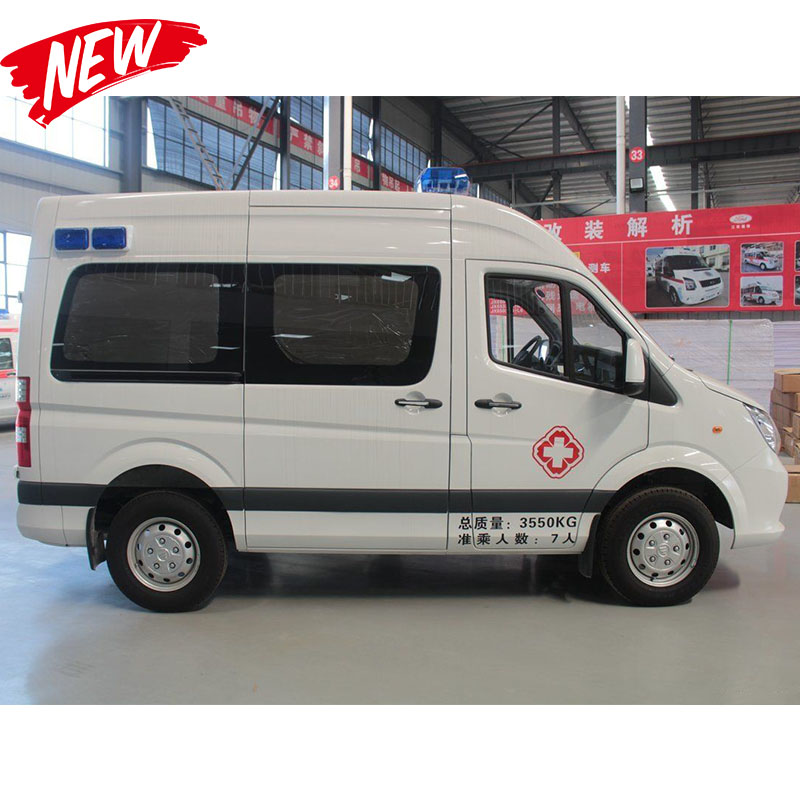
A mobile medical clinic vehicle is chosen for its versatility across diverse sectors. Some of the most common deployment scenarios include:
By meeting patients where they are, these vehicles improve both service efficiency and public engagement.
Compared with building additional clinics, deploying a mobile medical clinic vehicle is a strategic and cost-efficient way for organizations to broaden their reach. Mobility enables coverage of multiple locations in a single day, while operational costs remain significantly lower than establishing new brick-and-mortar facilities.
Furthermore, service providers gain flexibility: schedules can be adjusted based on community demand, seasonal health trends, or project-based needs. Mobile units also enhance data collection and outreach impact by enabling consistent follow-up visits in diverse regions.
| Category | Typical Specifications |
|---|---|
| Body Structure | Medical-grade insulated panels, anti-bacterial interior surfaces |
| Power System | On-board generator, external power interface, battery backup |
| HVAC | Independent cooling/heating system with air filtration |
| Interior Layout | Exam room, nurse station, storage cabinets, optional lab module |
| Equipment Support | Slots for diagnostic devices, refrigeration units, laptops |
| Accessibility | Low-entry step or wheelchair lift options |
This flexible technical foundation allows the operator to create a mobile unit aligned with specific service goals.
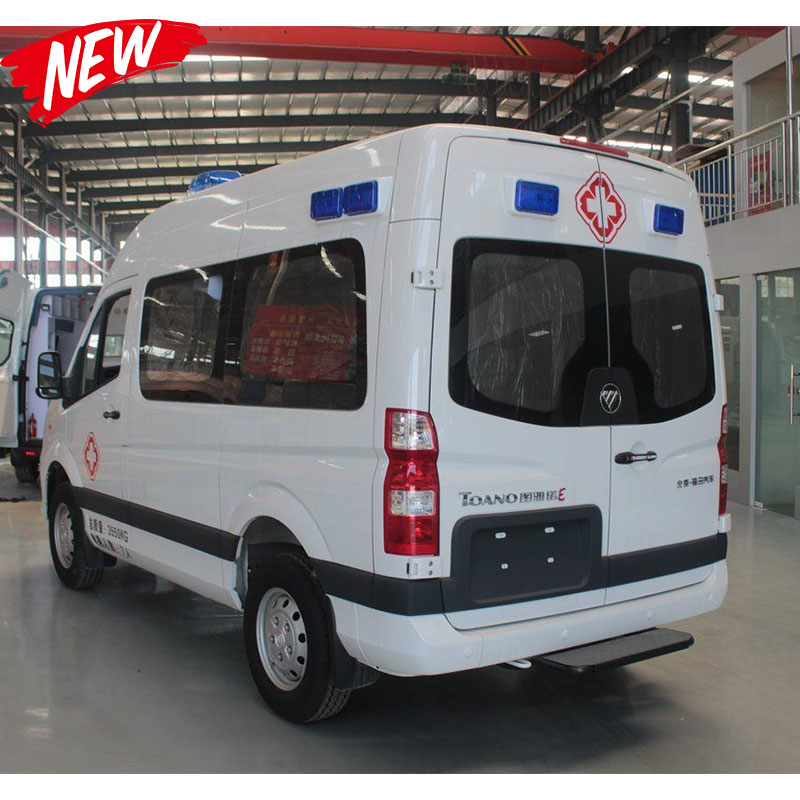
A well-designed mobile medical clinic vehicle brings healthcare closer to the community, strengthens outreach efforts, and enhances operational efficiency. Whether you aim to expand a health program, launch a rural care initiative, or improve emergency response capability, a mobile unit offers a powerful and adaptable solution.
If you’d like help selecting configurations, exploring design options, or preparing content for product marketing, feel free to let me know—I can assist with the next steps.