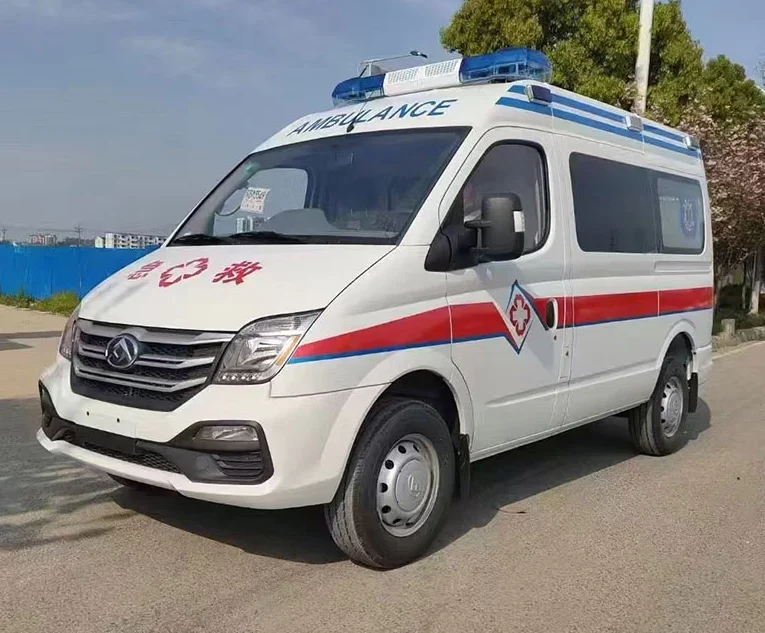
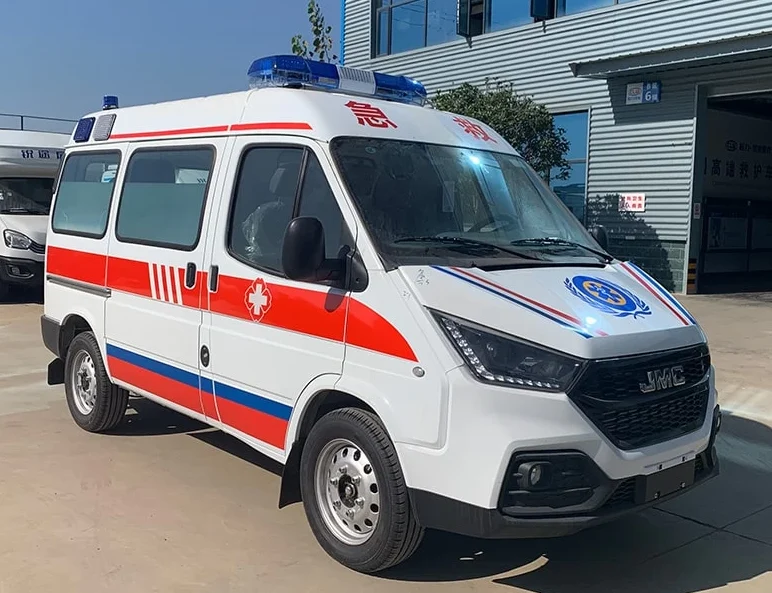
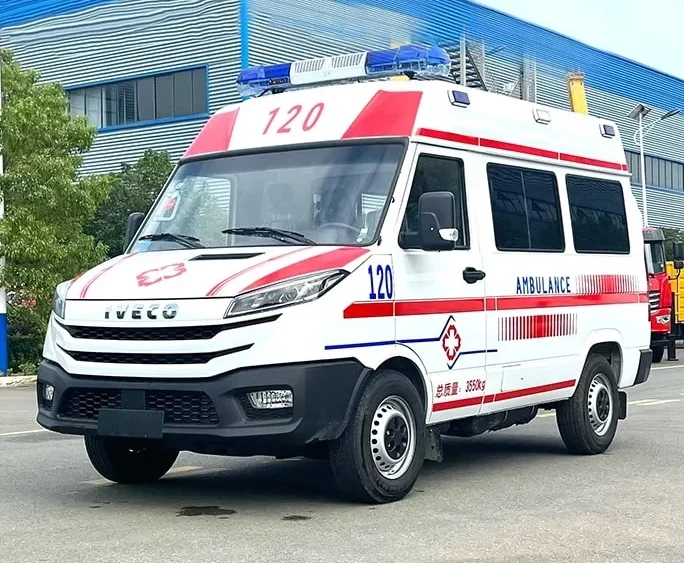
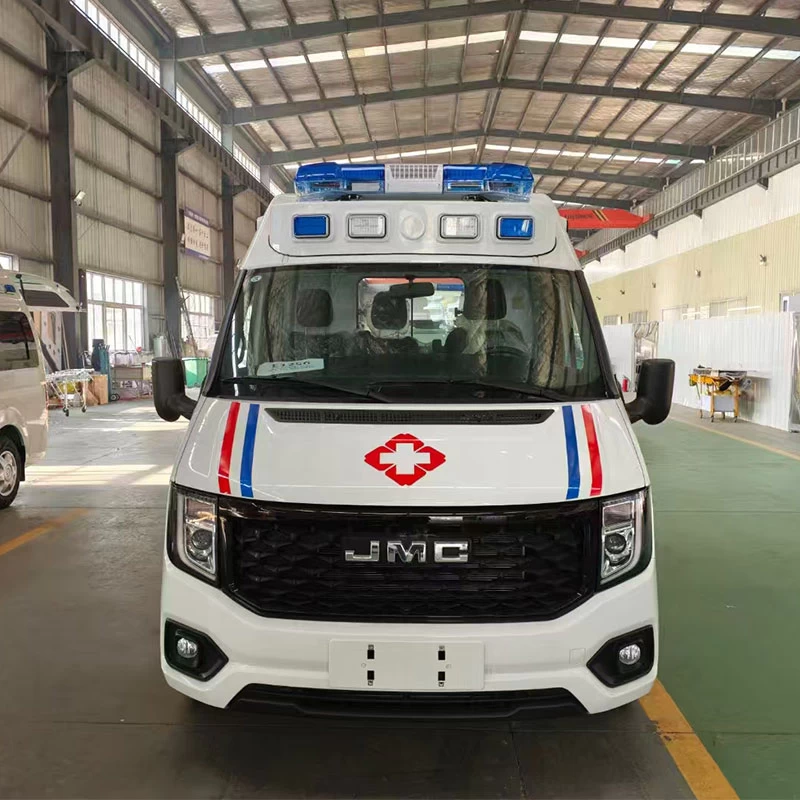
A **mobile health vehicle** is a specially designed medical transport unit that brings healthcare services directly to communities, especially those in remote or underserved areas. Built with flexibility and reliability in mind, these vehicles combine advanced medical facilities with mobility, allowing doctors and healthcare professionals to perform check-ups, emergency care, vaccination, and diagnostic services anywhere and anytime. With the growing need for **mobile healthcare solutions**, this type of vehicle has become an essential part of modern public health systems, humanitarian aid missions, and disaster response operations.


Each **mobile health vehicle** is designed with a durable chassis, spacious interior, and customized medical compartments. The structure can be configured according to different medical applications:
The vehicle body is typically constructed using **high-strength steel or aluminum**, providing both stability and lightness for long-distance travel. Insulated walls, anti-bacterial flooring, and efficient ventilation systems ensure a **sterile and safe medical environment**.
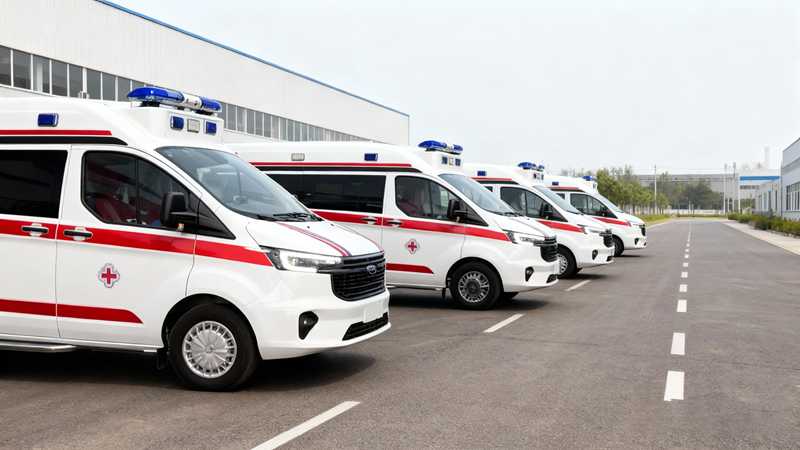
A **mobile health vehicle** can be fitted with advanced medical devices to support various clinical functions. Standard and optional equipment may include:
All systems are powered by **onboard generators or solar panels**, ensuring uninterrupted operation even in remote locations.
Built on a **reliable commercial truck or van chassis**, the mobile health vehicle ensures smooth driving performance and high maneuverability. Typical specifications include:
These features enable the vehicle to **operate efficiently across urban centers, rural villages, and emergency zones**, providing timely healthcare access where traditional facilities are unavailable.
Health and safety are top priorities in every **mobile health vehicle**. The design follows international standards for medical sanitation and emergency operation:
These features guarantee a clean, safe, and comfortable working environment for medical staff and patients alike.
Mobile health vehicles are widely used in various fields and industries:
Their adaptability makes them indispensable tools for healthcare development, especially in regions with limited access to medical infrastructure.
Investing in a **mobile health vehicle** offers significant benefits:
These vehicles enhance the efficiency of public health programs and improve the overall quality of healthcare delivery.
A mobile health vehicle is not just a mode of transport—it is a **moving healthcare center** designed to bridge the gap between hospitals and remote populations. Combining mobility, reliability, and advanced medical capability, it enables medical teams to save lives and serve communities wherever help is needed. Whether for national health projects, humanitarian missions, or private medical services, a mobile health vehicle provides a practical, sustainable, and impactful solution for modern healthcare systems.