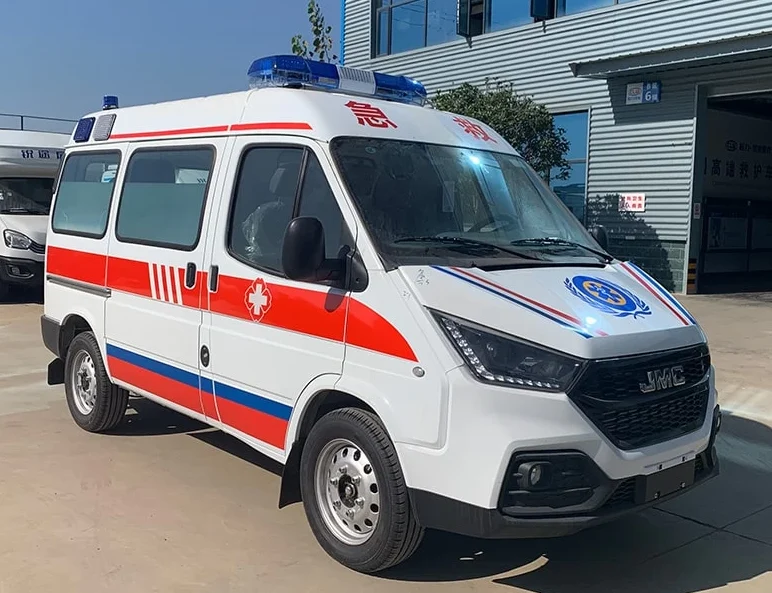
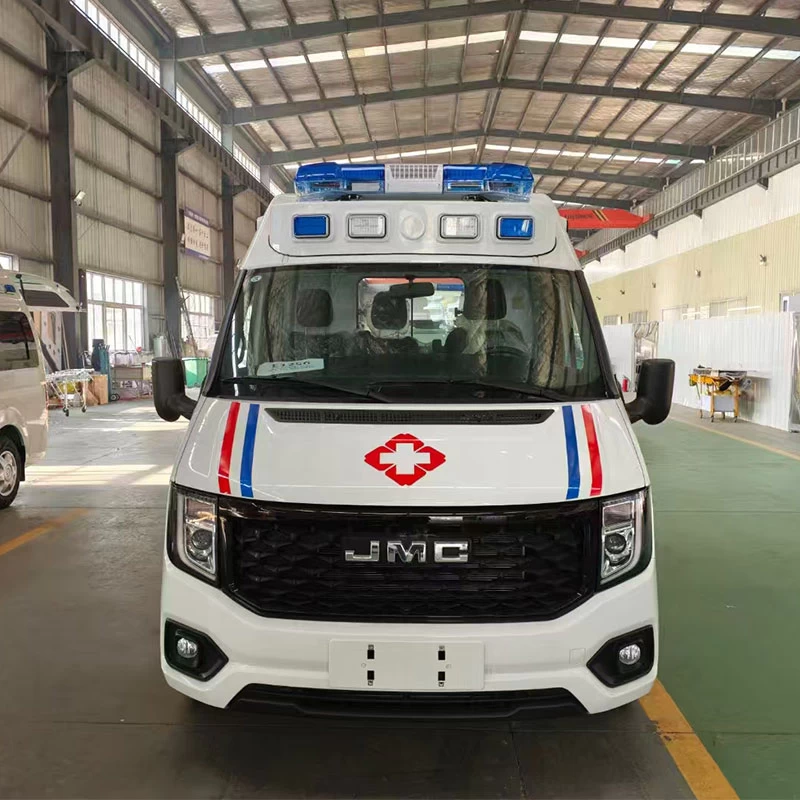
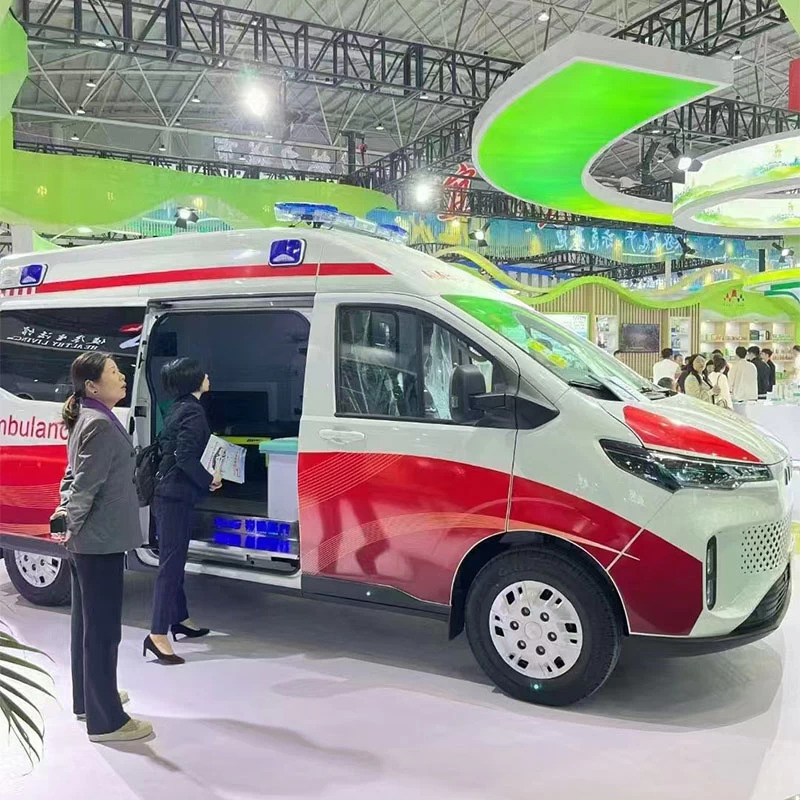
As communities grapple with disparities in healthcare access, mobile health clinic vehicles have emerged as a transformative solution. These purpose-built vehicles bring clinical services directly to underserved neighborhoods, schools, workplaces, and special events. Unlike fixed facilities, mobile health clinics break down geographical and logistic barriers by combining medical equipment, exam space, and professional staff in one movable unit.
From preventive screenings and immunizations to chronic disease management and health education, these vehicles extend the reach of health systems, non-profits, and public health programs, ultimately improving outcomes for patients who might otherwise face obstacles to care.

Innovations in design and technology make mobile health clinic vehicles versatile and effective. Below are some of the most valued features that support a broad array of medical services:
The flexibility of mobile health clinic vehicles makes them ideal for a wide range of populations and settings. Below are typical scenarios where these units are especially impactful:

Employing mobile health clinic vehicles can dramatically expand an organization’s impact. These units serve as bridges between patients and the larger health system, offering measurable benefits:
| Feature Category | Common Specifications |
|---|---|
| Chassis Type | Cutaway or bus-style chassis with commercial engine options |
| Interior Footprint | 200 – 600+ square feet of usable clinical space |
| Power Supply | Generator (5–15 kW), shore power hookup, battery backup |
| Climate Systems | HVAC for patient comfort and equipment protection |
| Medical Equipment | Exam tables, handwashing stations, EKG/diagnostic tools |
| Connectivity | 4G/5G internet, telehealth integration, cloud-based charting |
| Accessibility | ADA-compliant ramps and lifts |

Designing an effective mobile health clinic vehicle goes beyond technical specifications. Comfortable seating, privacy partitions, soft lighting, and clear signage contribute to a welcoming atmosphere. Floor plans that reduce congestion and ensure smooth patient flow can improve satisfaction and efficiency.
Moreover, ergonomic placement of equipment helps clinicians focus on care delivery, reducing fatigue and maximizing procedural precision.
For organizations planning to add mobile health services, careful planning ensures success. These tips can help guide implementation:

Mobile health clinic vehicles are reshaping how care is delivered by removing traditional barriers and bringing services directly to the communities that need them most. With strategic planning and thoughtful design, these vehicles enhance access, strengthen preventive care, and improve health outcomes across populations.
If your organization is ready to explore mobile healthcare options or evaluate vehicle configurations, reaching out to experienced specialists can help you match capabilities with community needs. Embrace the mobility advantage and extend quality care beyond clinic walls today.