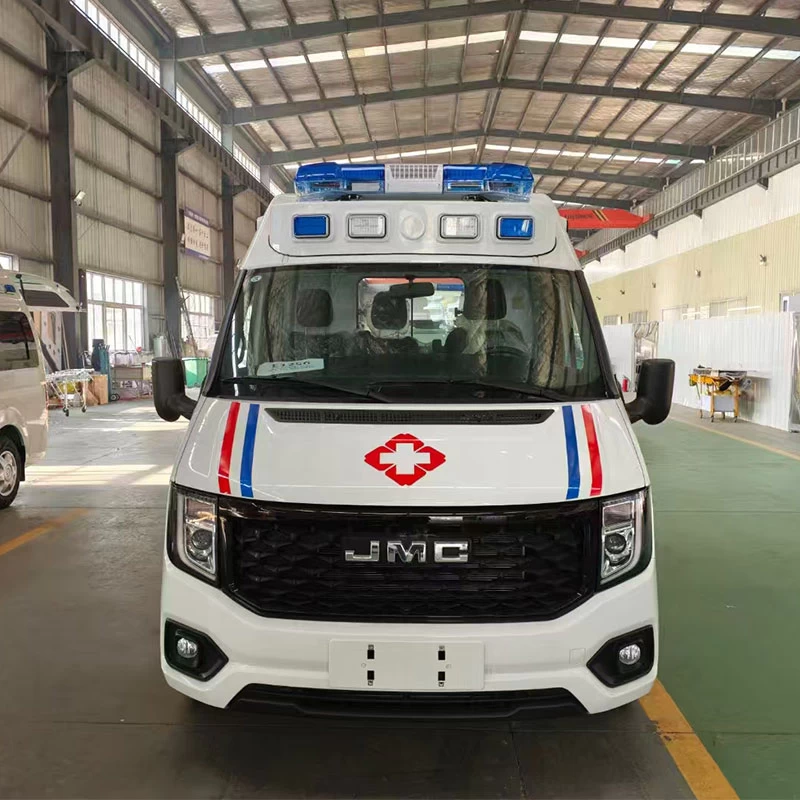
Medical van transportation plays an important role in modern healthcare logistics by providing safe, reliable, and accessible transport for patients who do not require emergency care but still need medical support during travel. Commonly used for routine hospital visits, rehabilitation appointments, dialysis sessions, and inter-facility transfers, medical vans bridge the gap between emergency ambulances and standard passenger transport.
Designed with patient comfort and safety in mind, medical van transportation supports individuals with limited mobility, chronic conditions, or post-treatment needs, ensuring continuity of care outside clinical settings.

Medical van transportation refers to specially equipped vehicles operated by trained personnel to transport patients in non-emergency situations. Unlike emergency services, these vans focus on stability, accessibility, and comfort rather than urgent medical intervention. For healthcare providers, insurers, and care facilities, medical van transportation offers a dependable option for scheduled and planned patient movement.
The effectiveness of medical van transportation depends on thoughtful vehicle design and operational standards. Common features include:
Medical van transportation is widely used across healthcare and social service sectors. Its flexibility makes it suitable for a variety of scheduled transport needs.
These applications highlight how medical vans support continuity of care while reducing pressure on emergency medical resources.

Choosing medical van transportation offers multiple benefits for patients, caregivers, and healthcare providers alike.
These advantages make medical van transportation a valuable component of patient-centered healthcare delivery.
Below is a general technical overview of features commonly associated with medical van transportation vehicles. Actual specifications may vary based on configuration and regional standards.
| Specification | Description |
|---|---|
| Vehicle Type | High-roof or extended-wheelbase van |
| Accessibility System | Hydraulic lift or rear/side ramp |
| Passenger Capacity | 1–4 wheelchairs plus seated passengers |
| Safety Equipment | Wheelchair restraints, seat belts, handrails |
| Medical Provisions | Oxygen mounts, basic monitoring storage |
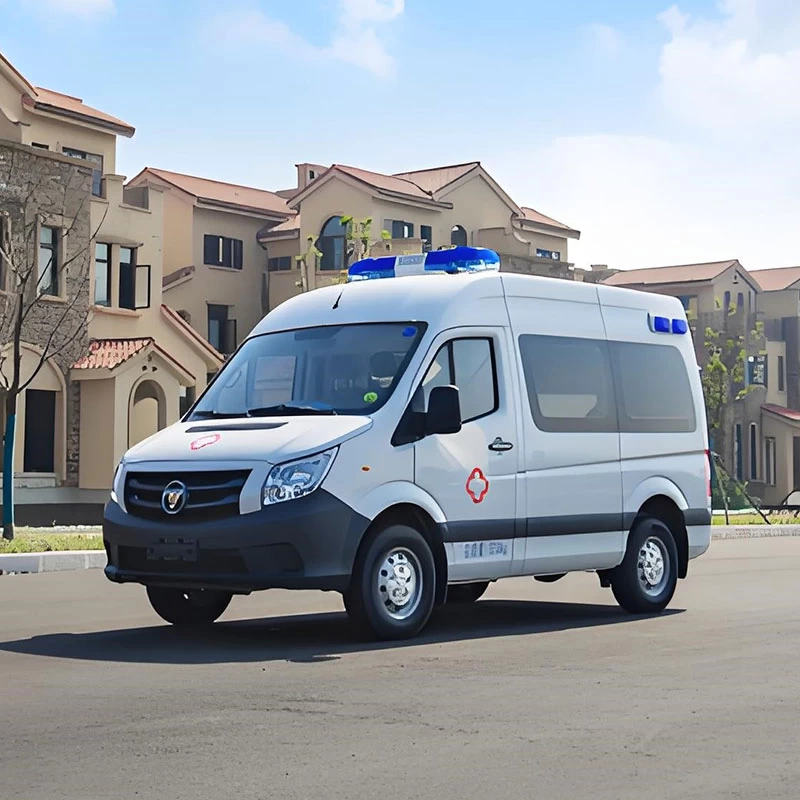
Medical van transportation occupies a middle ground between emergency ambulances and general transport services. While ambulances are essential for life-threatening situations, medical vans are optimized for stability and routine care transport. Compared to standard taxis or ride services, medical vans offer enhanced safety features and trained personnel, making them more suitable for vulnerable patients.
Healthcare organizations and service providers utilizing medical van transportation often prioritize scheduling efficiency, route optimization, and patient communication. Clear coordination between medical facilities and transport teams ensures punctual arrivals and minimizes patient waiting times, contributing to a better overall care experience.
Medical van transportation provides a dependable, patient-focused solution for non-emergency medical travel. By combining accessibility, comfort, and professional support, it enables patients to attend essential healthcare appointments safely and on time.
If your facility or organization is seeking reliable patient transport options, consider integrating medical van transportation into your care network. Consulting with experienced providers can help tailor services to meet specific patient needs while improving operational efficiency and care continuity.