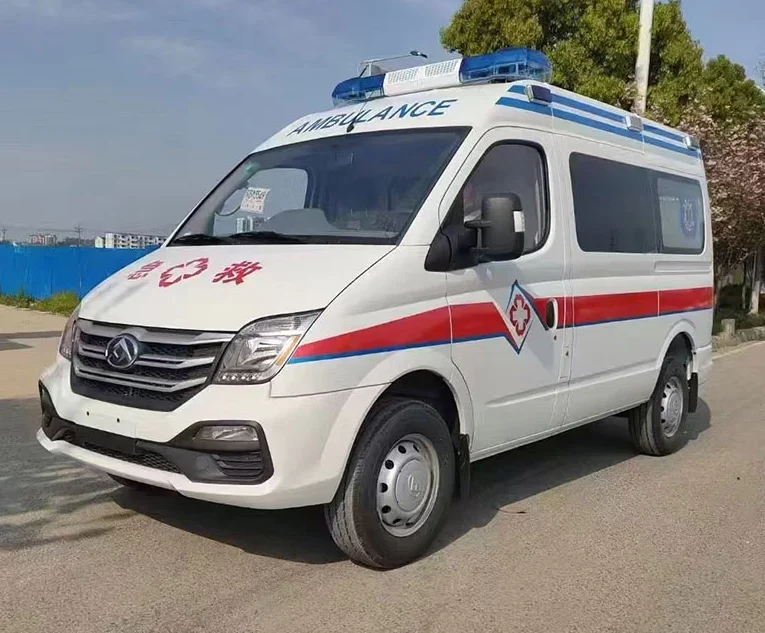
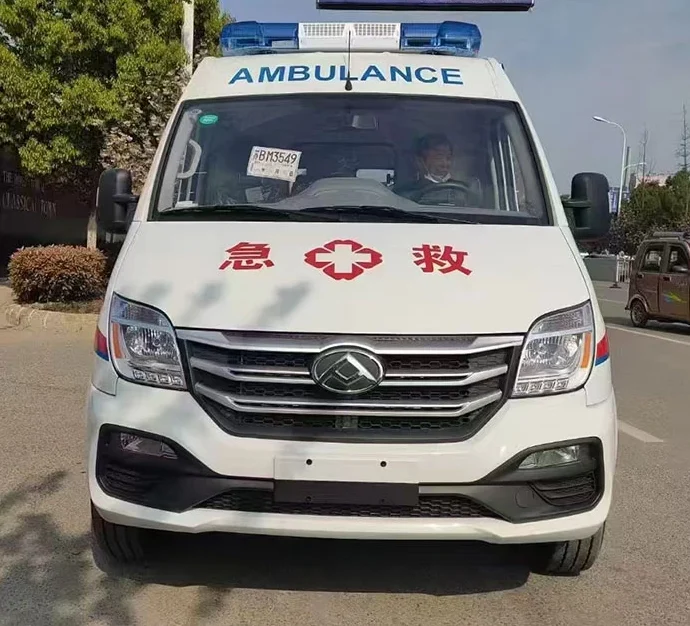
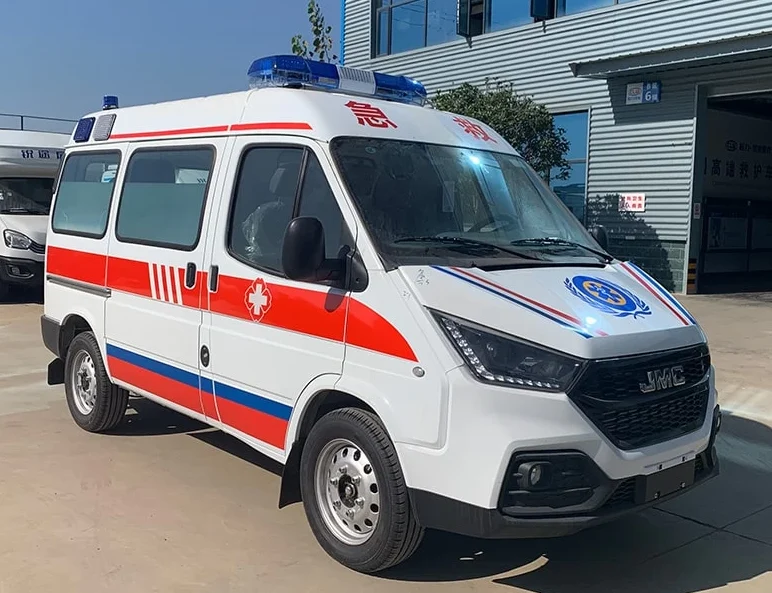
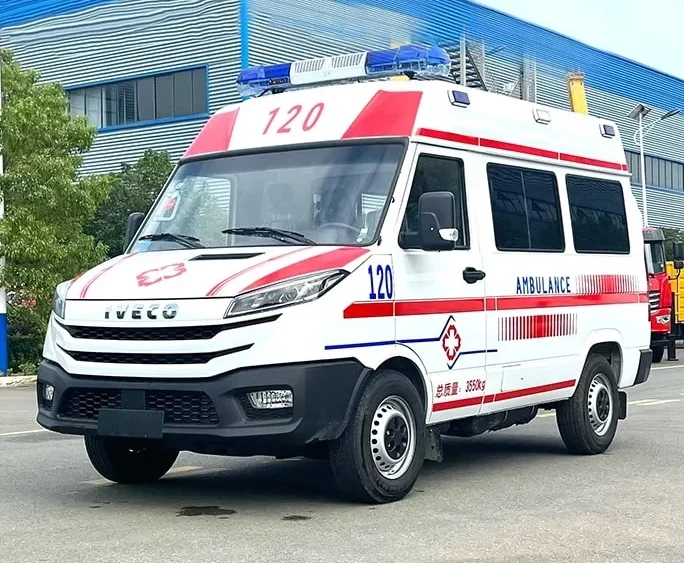
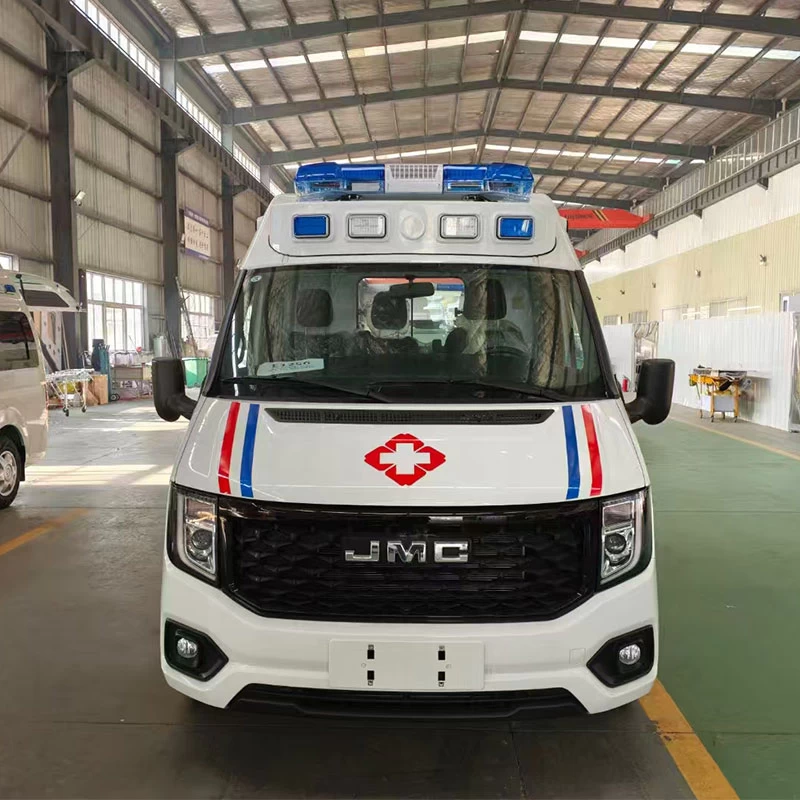
Medical mobile vans have become an essential solution for extending healthcare services to areas where hospitals or clinics are limited. These specially designed vehicles function as compact yet fully equipped medical units capable of delivering preventive care, basic diagnostics, vaccinations, chronic disease management, and emergency response support. By bringing professional healthcare directly to communities, medical mobile vans reduce barriers created by distance, mobility challenges, or resource limitations. Their flexibility makes them valuable for humanitarian work, outreach programs, corporate health initiatives, and government-supported medical campaigns.
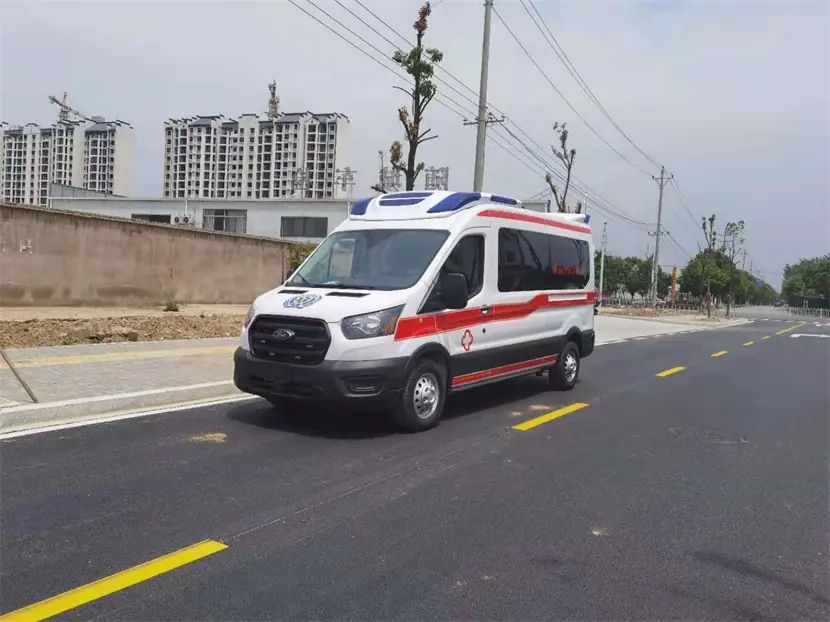
Medical mobile vans are used across a diverse range of sectors, adapting to both everyday healthcare needs and urgent situations. Community health organizations deploy them for screenings and wellness checks in neighborhoods without nearby clinics. Corporate groups utilize them for employee health exams, improving workplace safety and efficiency. During natural disasters or disease outbreaks, mobile vans act as rapid-response units capable of stabilizing patients and supporting overwhelmed medical facilities. They are also widely used by NGOs, universities, military teams, and public health departments to extend care to rural populations, migrant workers, elderly residents, and underserved communities.
One of the major strengths of medical mobile vans is their ability to eliminate distance barriers. Instead of requiring patients to travel long hours to reach a healthcare center, the van arrives directly in the community, improving appointment attendance and early diagnosis rates. These vehicles also support cost-effective healthcare expansion because organizations can launch new outreach routes without constructing traditional buildings. The mobility of the van enables frequent relocation, allowing healthcare teams to reach multiple service points in a single day.
Another advantage lies in their adaptability. A medical mobile van can be upgraded or reconfigured as public health needs evolve—transitioning from a screening unit to a maternal care vehicle or vaccination hub. In addition, the integration of telemedicine technology helps reduce specialist shortages, enabling live video consultations and sharing of diagnostic information. For regions facing seasonal outbreaks or pandemic situations, the controlled, enclosed environment of the van supports safer and more organized testing or vaccination operations.
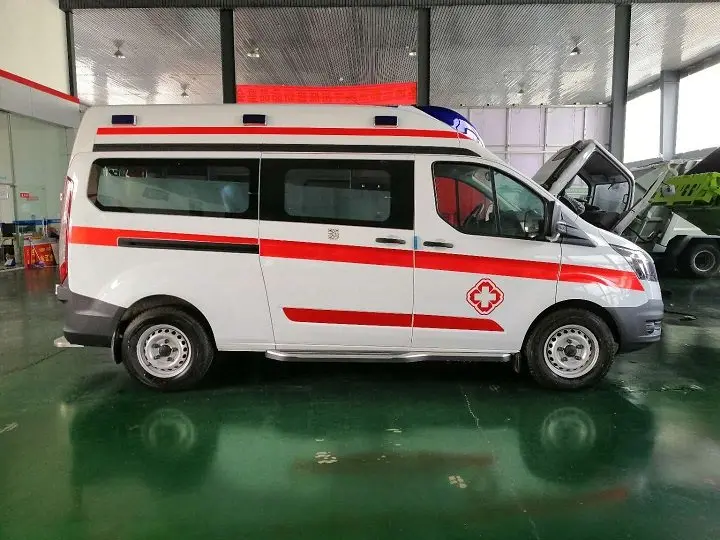
| Parameter | Specification |
|---|---|
| Overall Vehicle Length | 5.5–7.5 meters depending on layout |
| Medical Cabin Configuration | Single or dual-room design with modular cabinets |
| Power Supply System | Onboard generator / battery pack / external AC connection |
| Healthcare Equipment Integration | ECG, ultrasound, vital signs monitor, vaccine refrigerator |
| Telemedicine Support | 4G/5G connectivity, camera system, digital record modules |
| Environmental Control | Air conditioning + air purification and LED lighting |
| Body Structure | Reinforced panels with anti-bacterial interior finishes |
Medical mobile vans represent a powerful step forward in improving healthcare accessibility and supporting community well-being. Their mobility, flexibility, and clinical capabilities make them ideal for public health projects, corporate programs, and NGO outreach missions. If you are exploring ways to expand healthcare services or require a customized mobile medical solution, consider learning more about how these vans can meet your operational needs. Feel free to reach out for consultation, layouts, or technical options tailored to your application.