Heavy Duty Truck Crane: The Backbone of Large-Scale Lifting and Transport Solutions
Understanding What a Heavy Duty Truck Crane Brings to Heavy Industry
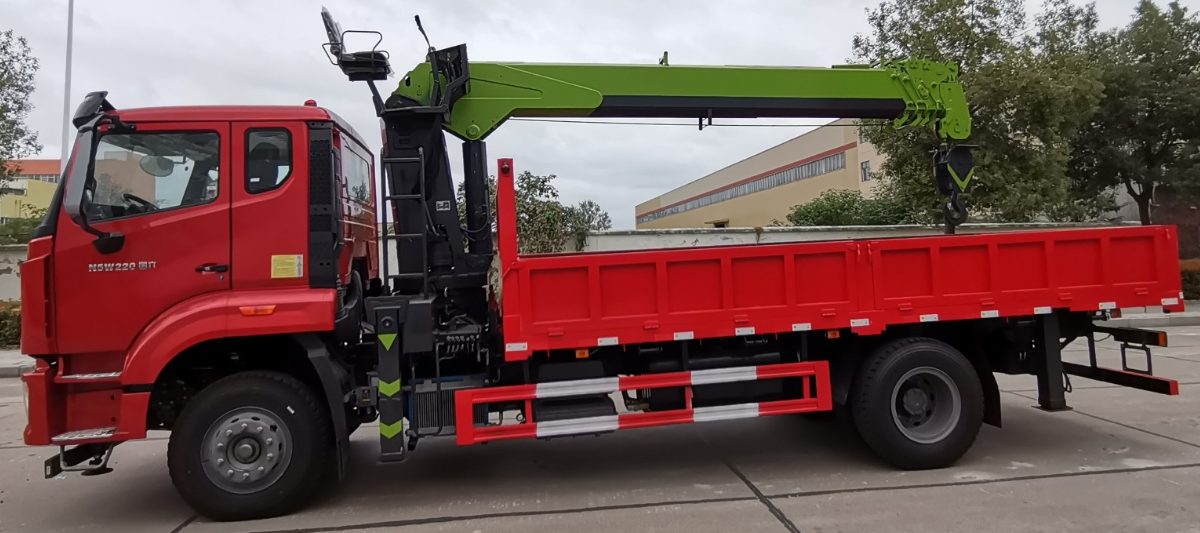
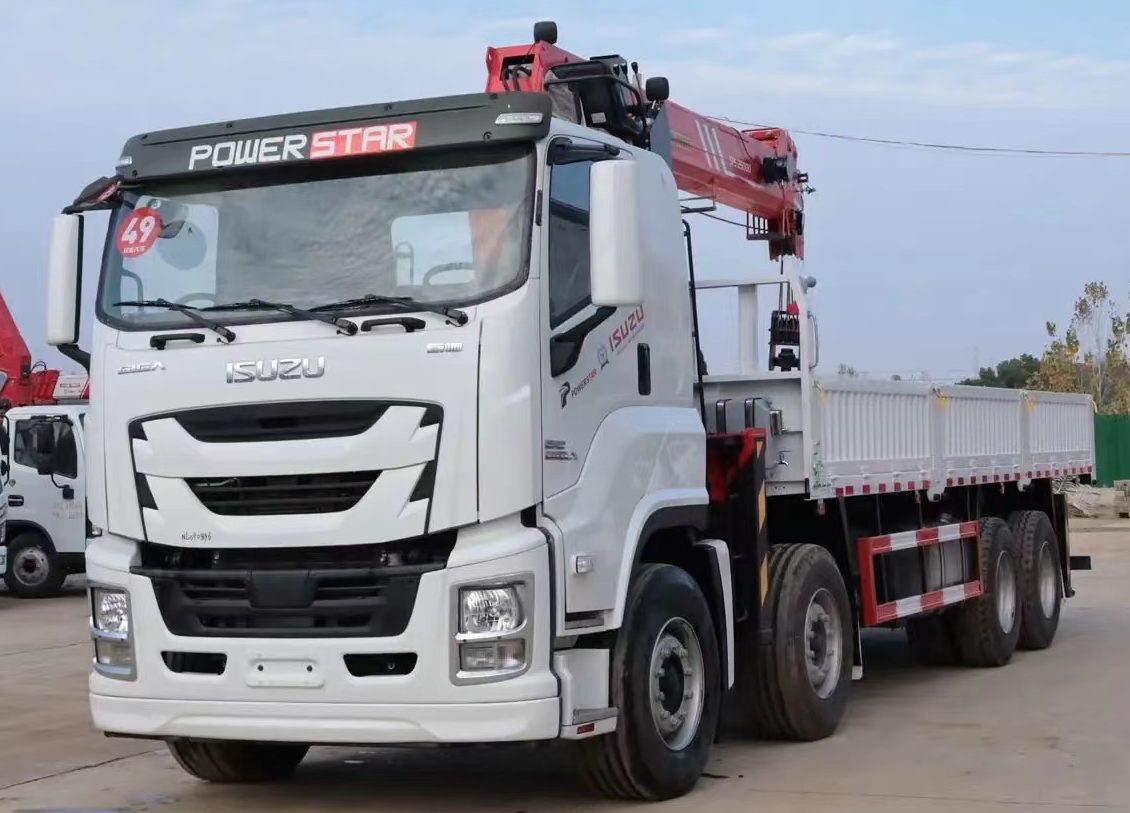
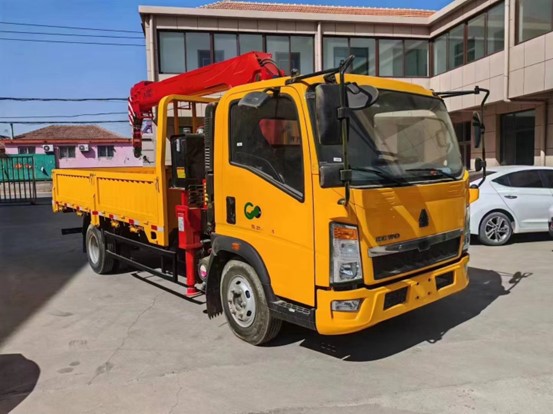
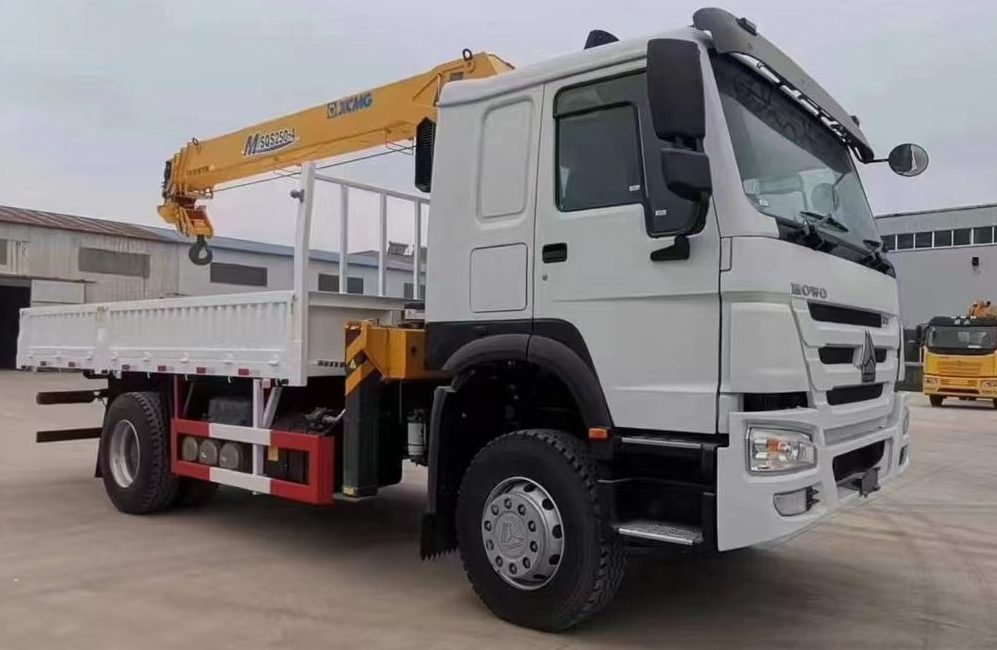
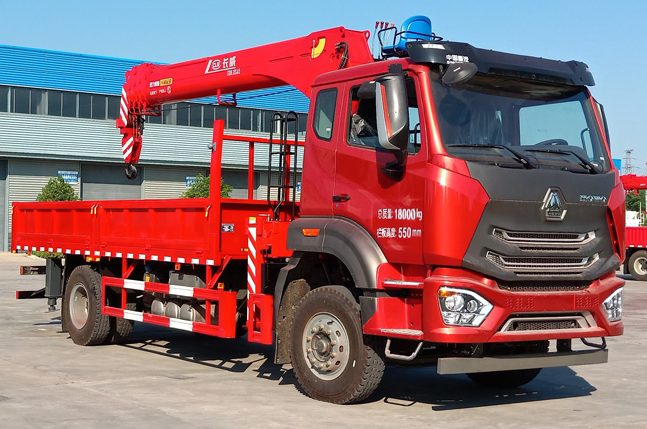
A heavy duty truck crane is a robust mobile lifting machine mounted on a commercial truck chassis designed for demanding structural, industrial, and construction lifting tasks. Unlike stationary cranes or smaller service units, this class of crane combines mobility with high lifting capacity, allowing teams to move substantial loads without the need for permanent installation. These vehicles are engineered to tackle complex jobs—from erecting steel structures to setting precast concrete elements or loading heavy equipment on and off job sites.
Their versatility and on-road capability make heavy duty truck cranes indispensable when both transport and lifting operations must be completed swiftly and safely.
Key Mechanical and Functional Highlights
Heavy duty truck cranes are defined by a blend of strength, precision, and adaptability. Below are essential features that contribute to their performance and jobsite value:
- High-Capacity Hydraulic Boom Systems capable of lifting tens to hundreds of tons.
- Telescopic Sections that adjust reach and height without sacrificing structural integrity.
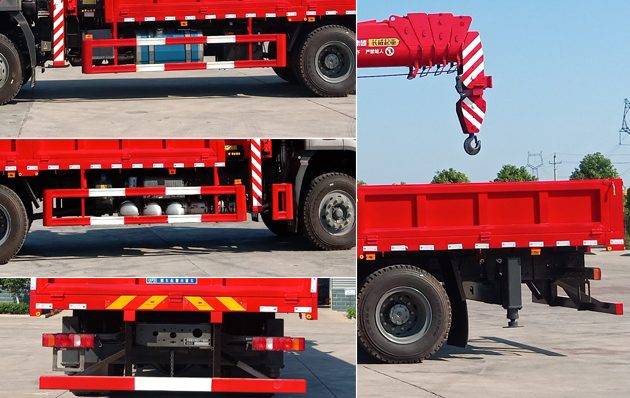
- Stability Enhancements including extendable outriggers and counterweight systems to support safe operation under load.
- Advanced Control Interfaces featuring operator ergonomics, load monitoring, and safety interlocks.
- Integrated Transport Functionality where the truck chassis ever serves as both travel and work platform.
Real-World Use Cases for Heavy Duty Truck Cranes
A heavy duty truck crane brings significant impact across industries where lifting precision meets operational flexibility. Some of the most common application scenarios include:
- Construction and Infrastructure Development – Hoisting structural steel, setting beams, and positioning large modules.
- Oil & Gas Production – Installing heavy plant equipment like pressure vessels and compressors.
- Utility and Power Projects – Servicing transmission towers, wind turbine components, and transformers.
- Manufacturing Facility Setup – Relocating presses, molds, and production lines within industrial parks.
- Shipping and Logistics Hubs – Handling oversized freight and intermodal cargo where fixed infrastructure may be unavailable.
Why Heavy Duty Truck Cranes Are Preferred Over Alternatives
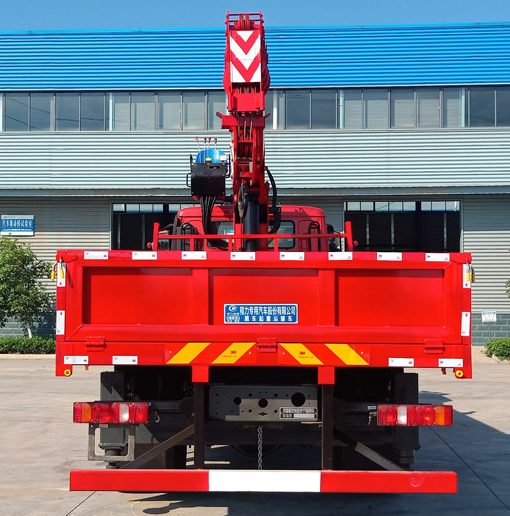
When projects require the combination of heavy lifting, mobility, and rapid deployment, heavy duty truck cranes offer distinct operational advantages compared to other lifting options like crawler cranes, tower cranes, or rented stationary lifting gear:
- Mobility With Minimal Setup – Unlike stationary cranes, they travel directly to sites without disassembly.
- Adaptable Positioning – Outriggers and hydraulic leveling systems allow secure placement on uneven terrain.
- Reduced Auxiliary Equipment Needs – Self-contained hydraulic systems reduce dependence on external power or rigging gear.
- Faster Job Turnaround – Immediate lifting capability upon arrival accelerates project schedules.
- Lower Logistical Costs – Transport and operation are consolidated into one integrated platform
Operator Considerations and Safety Protocols
Effective use of a heavy duty truck crane extends beyond mechanical specifications; it also hinges on well-trained operators and safety-oriented procedures. Standard practices include:
- Pre-Operation Inspections of load charts, hydraulic functions, and structural integrity.
- Certified Operator Training encompassing load management, signal interpretation, and emergency response.
- Ground Stability Analysis to confirm safe outrigger positioning and soil bearing capacity.
- Rigging Safety using rated slings, hooks, and hardware appropriate to load weight.
- Environmental Awareness including wind limits and overhead hazards.
Integrating Heavy Duty Truck Cranes With Project Workflows
In complex project environments, a heavy duty truck crane functions as a central lifting resource. Coordination with project managers, site engineers, and logistics teams enhances efficiency. For example, scheduling crane arrival with material delivery minimizes laydown time, while digital crane placement planning ensures that every lift satisfies engineering tolerances and safety standards.
Regular communication between personnel on ground, riggers, and the crane operator reduces uncertainty and aligns activity with broader project milestones.
Future Trends in Heavy Duty Crane Technology
Advances in materials, control systems, and telematics continue to expand what heavy duty truck cranes can achieve. Emerging innovations include:
- Remote Monitoring of crane health and maintenance needs via connected sensors.
- Enhanced Operator Assistance using load-moment indicators and augmented reality displays.
- Eco-Efficient Powertrains that reduce emissions without sacrificing performance.
- Integrated Logistics Platforms that link crane positioning with on-site material tracking systems.
Conclusion: Choosing the Right Heavy Duty Truck Crane
Whether your project involves large structural lifts, industrial assembly, or infrastructure development, a heavy duty truck crane adds value through mobility, strength, and precision. By aligning machine specifications with job requirements, teams can improve productivity while maintaining high safety standards.
Engage with equipment specialists to explore configurations, operator training options, and maintenance support that suit your operational needs. A well-matched heavy duty truck crane becomes a powerful partner in achieving complex lifting goals.