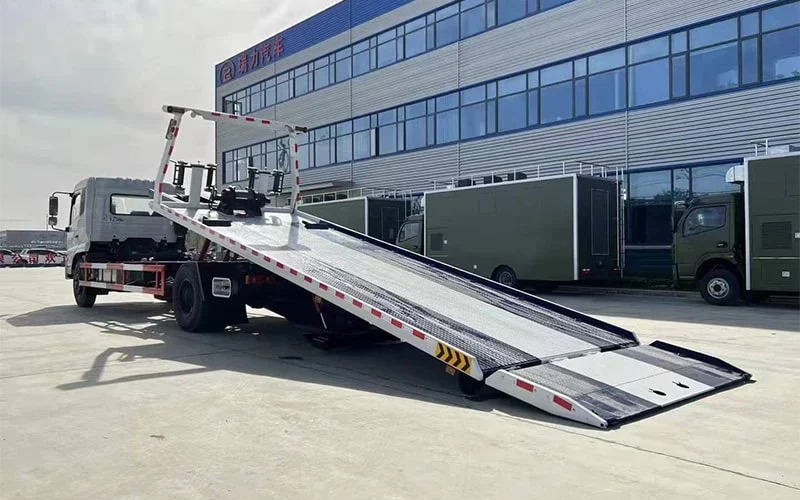
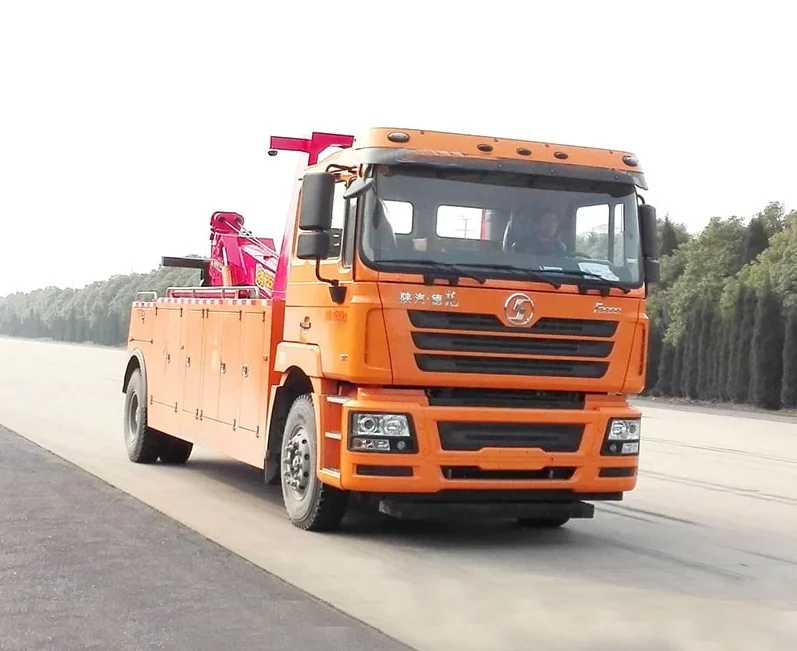
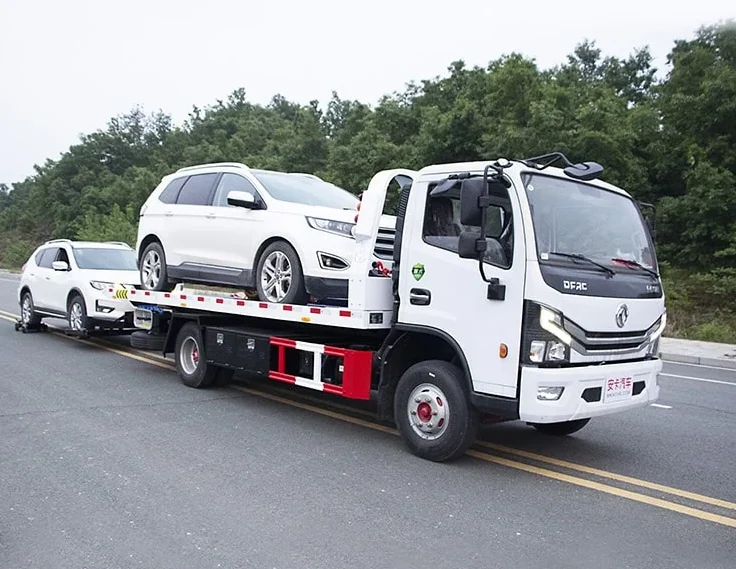
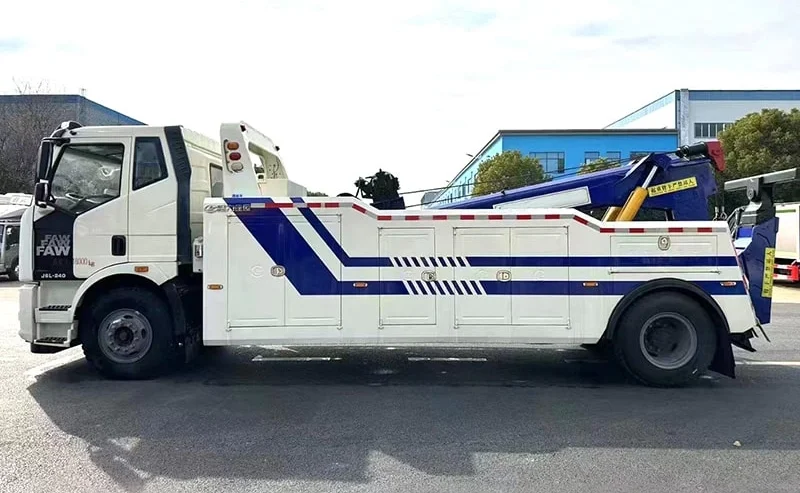
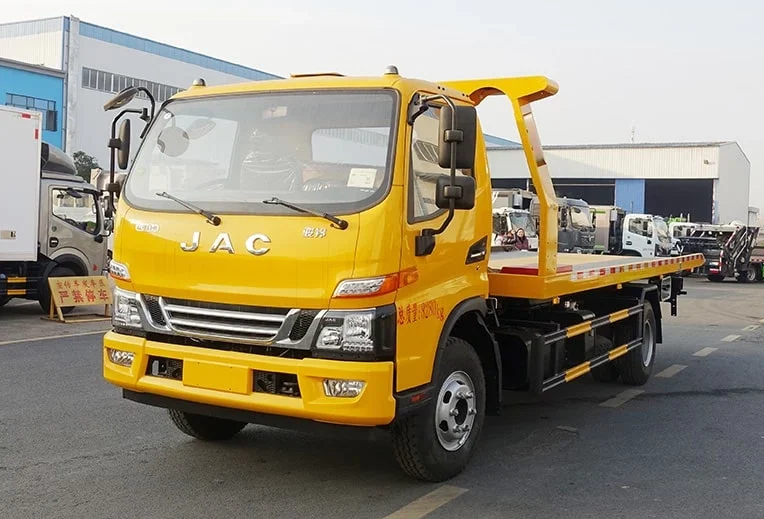
A flatbed tow truck is widely recognized as one of the safest and most efficient methods for transporting vehicles of all types. Unlike traditional wheel-lift towing, a flatbed system loads the entire vehicle onto a stable platform, preventing tire wear, drivetrain stress, or additional damage during transit. This makes the flatbed tow truck a preferred choice among roadside assistance teams, logistics companies, dealerships, and insurance providers. Its versatility enables the secure movement of sedans, SUVs, luxury vehicles, motorcycles, small vans, and even light commercial units across short- and long-distance routes.
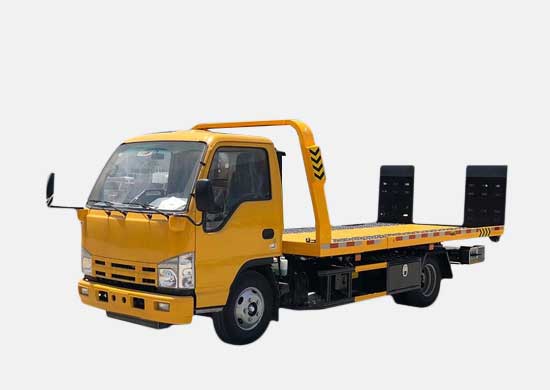
A flatbed tow truck is valuable across numerous industries. Automotive dealerships rely on flatbeds to transport new vehicles without causing mileage accumulation or cosmetic damage. Roadside service providers use them for accident recovery, ensuring broken or wrecked vehicles can be safely removed from highways. Logistics companies deploy flatbeds to handle vehicle relocation between warehouses, exhibitions, and maintenance facilities. Motorbike owners appreciate the secure, stable loading surface, which prevents tipping during transit. Additionally, construction and utility teams use flatbeds to transfer small machinery, generators, and compact equipment that require stable, level transportation.
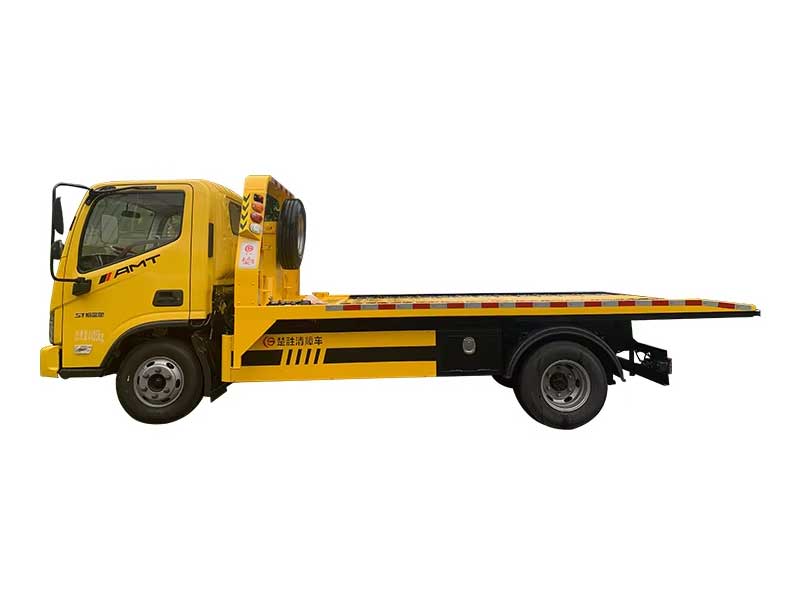
One of the standout advantages of a flatbed tow truck is its ability to accommodate a wide range of vehicle types. Whether a vehicle has a damaged axle, missing wheel, or malfunctioning transmission, the flatbed design enables safe loading without dragging or lifting only part of the vehicle. This full-lift approach minimizes mechanical stress and protects sensitive components.
Another major benefit is efficiency. The hydraulic tilt function reduces loading time, especially during emergencies or busy traffic conditions. Operators can secure vehicles quickly, reducing roadside risks for both drivers and service teams. Flatbed trucks also excel in long-distance transportation since the stable platform prevents swaying and ensures consistent vehicle positioning throughout the journey.
Customer satisfaction is another key advantage. Many drivers prefer flatbed towing because it provides maximum protection for their vehicle, especially for high-value or luxury models. Additionally, insurance and fleet management companies often recommend flatbed towing due to its lower risk of secondary damage claims. This makes the flatbed tow truck a reliable, professional option for businesses aiming to enhance service standards and safety protocols.
| Specification Category | Details |
|---|---|
| Bed Length | 5.5–7.5 meters depending on truck model |
| Load Capacity | 3–10 tons for light and medium-duty variants |
| Hydraulic System | Tilt-and-slide mechanism with dual hydraulic cylinders |
| Winch Capacity | 3,500–12,000 lbs for loading disabled vehicles |
| Deck Surface | Anti-slip coated steel or aluminum platform |
| Safety Components | LED warning lights, reflective markings, multiple tie-down hooks |
| Control System | Remote or side-mounted manual controls |
A flatbed tow truck offers unmatched safety, versatility, and professionalism in vehicle transport, making it an essential asset for towing companies, fleet operators, and automotive service providers. Whether the goal is accident recovery, dealership delivery, or long-distance relocation, a flatbed ensures vehicles arrive in ideal condition. If you are searching for a dependable transport solution or considering adding flatbed trucks to your service fleet, feel free to reach out for more details, technical recommendations, or customized configurations tailored to your operational needs.