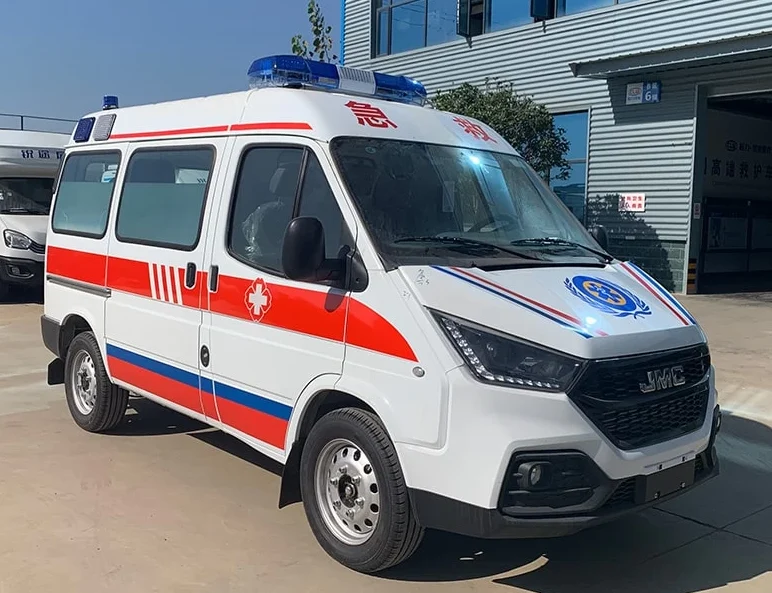
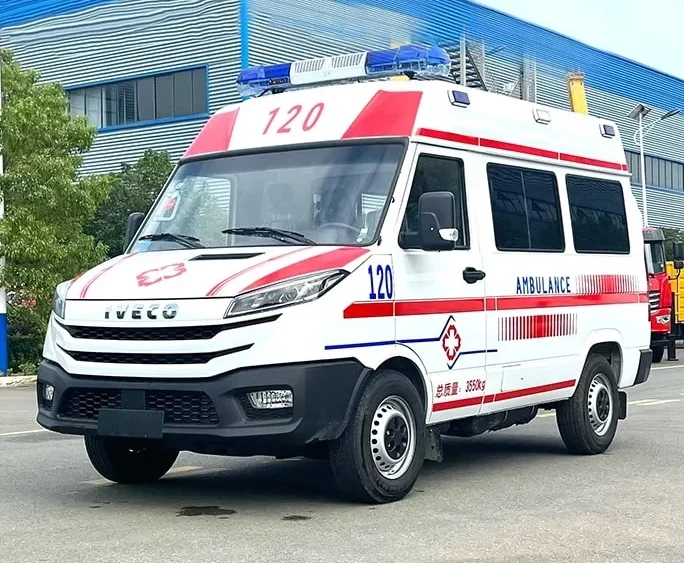
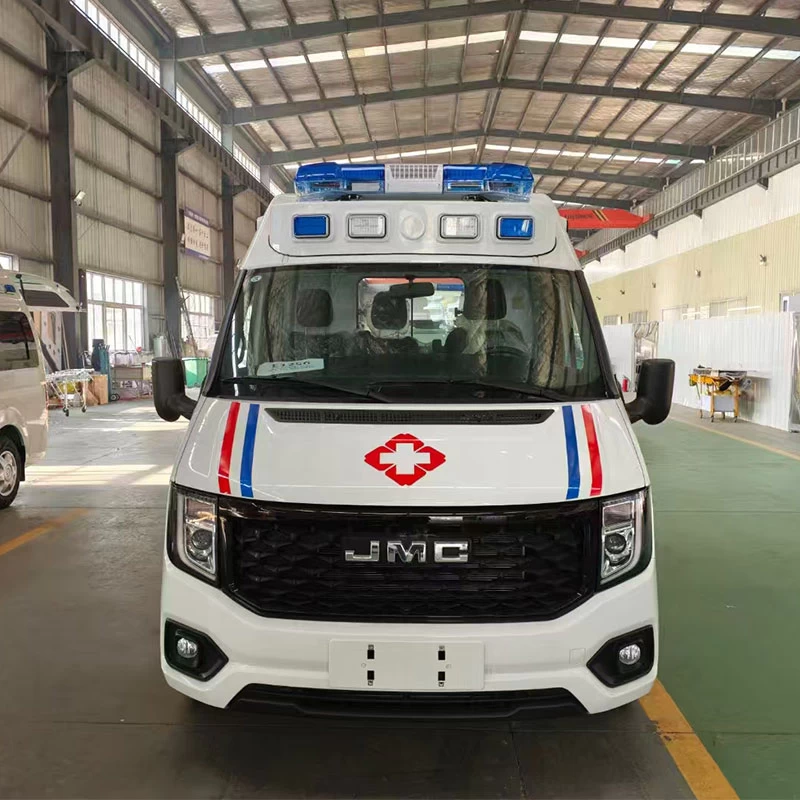
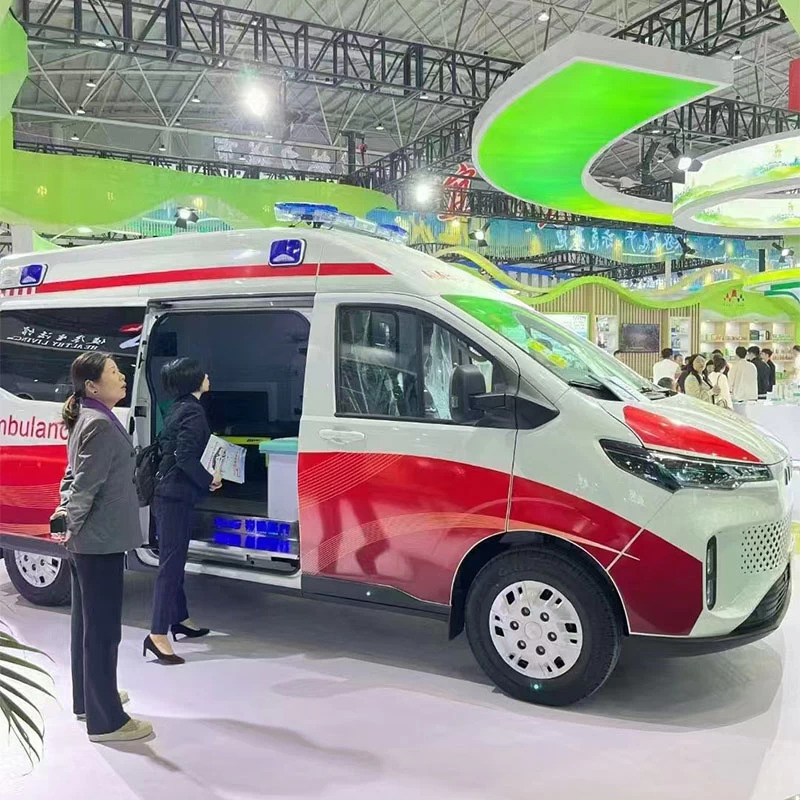
Emergency transportation refers to organized, time-sensitive movement of patients, individuals, or goods during urgent medical, disaster, or crisis scenarios. Unlike routine transit services, emergency transportation systems are designed to respond rapidly under pressure, providing lifesaving mobility while maintaining safety, stability, and clinical support when seconds count. These services include ambulances, medical evacuation units, and specialized support vehicles that operate within pre-defined clinical and operational standards.
In health systems, disaster response frameworks, and community safety planning, emergency transportation serves as a foundational element—bridging the gap between point of need and definitive care or shelter.
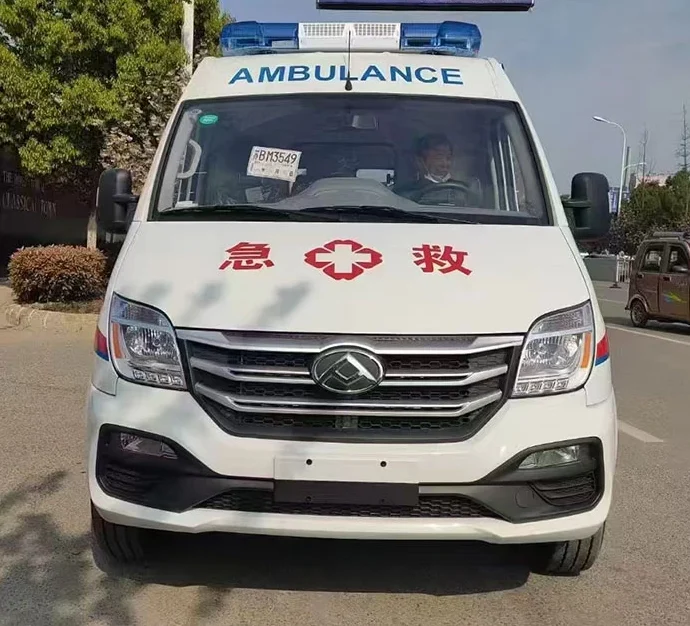
Effective emergency transportation solutions combine speed, preparedness, and clinical readiness. Key characteristics that define high-performing systems include the following:
Emergency transportation plays a vital role across a variety of settings and circumstances, including:
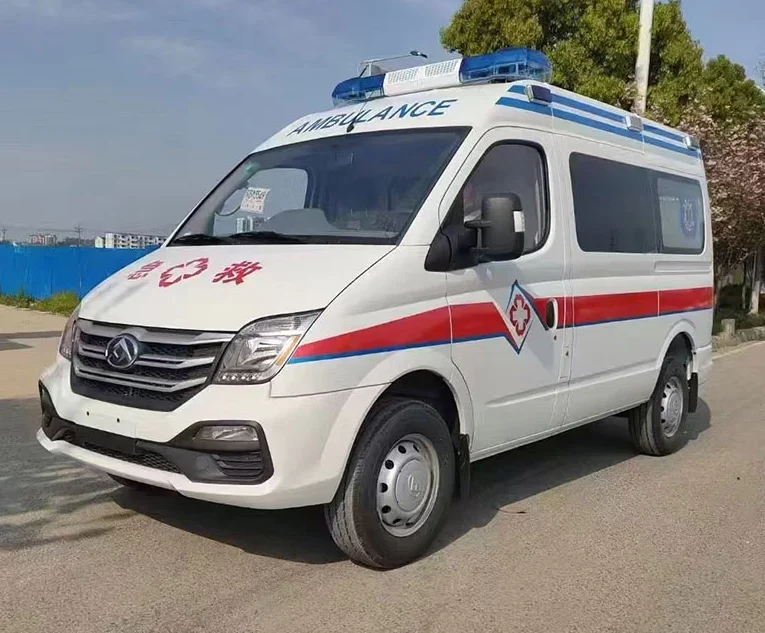
Prepared and comprehensive emergency transportation systems strengthen public health and safety at multiple levels. Their value extends beyond simply moving patients—it’s about preserving health outcomes and reinforcing resilience in communities:
| Component | Key Specification / Requirement |
|---|---|
| Vehicle Type | ALS (Advanced Life Support) and BLS (Basic Life Support) ambulances, medevac helicopters, critical care transport units |
| Response Time Standards | Benchmark goals vary by region but often set within minutes of alert |
| Clinical Equipment | Defibrillators, ventilators, suction units, vital-sign monitors, medication kits |
| Personnel Credentials | Certified EMTs, paramedics, critical care nurses, flight medics where applicable |
| Communications | Secure radio, cellular, GPS-linked dispatch systems |
| Safety Features | Crash protection, infection control measures, restraint systems for patients and staff |
| Accessibility | Equipment and protocols for bariatric, pediatric, and special needs transport |
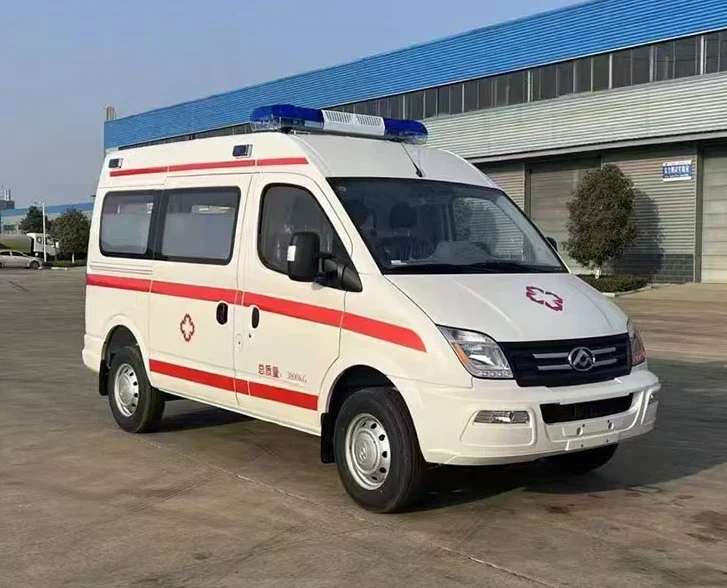
Successful emergency transportation extends beyond reaching a destination—it’s about ensuring continuity of care across settings. From the moment crews arrive at a scene or receive a transfer request, they act as mobile extensions of the healthcare system:
Building or refining emergency transportation capabilities requires thoughtful planning and evaluation. Organizations should consider:
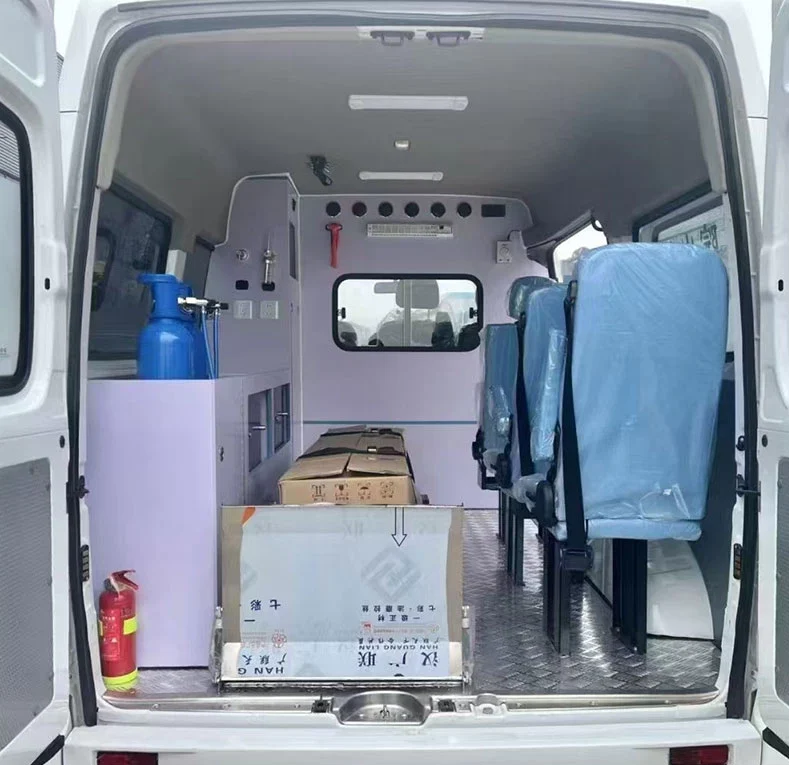
Emerging technologies and strategic innovations are reshaping how emergency transportation responds to evolving needs. Telemedicine integration, AI-assisted dispatching, advanced route optimization, and enhanced vehicle telematics are among the developments enhancing both speed and effectiveness of emergency responses. These advancements aim to maximize resource efficiency—particularly during large-scale events or high-demand periods.
Emergency transportation is more than a service—it’s a lifeline that connects urgency with care and stability. By combining trained personnel, purpose-built vehicles, and coordinated systems, communities can strengthen resilience and ensure that critical needs are met with urgency and professionalism.
Whether you’re involved in healthcare leadership, disaster planning, fleet procurement, or community safety initiatives, understanding emergency transportation fundamentals empowers you to make informed decisions that enhance readiness and safeguard lives. Explore partnerships, technology options, and workforce development strategies to support robust emergency mobility solutions tailored to your region’s needs.