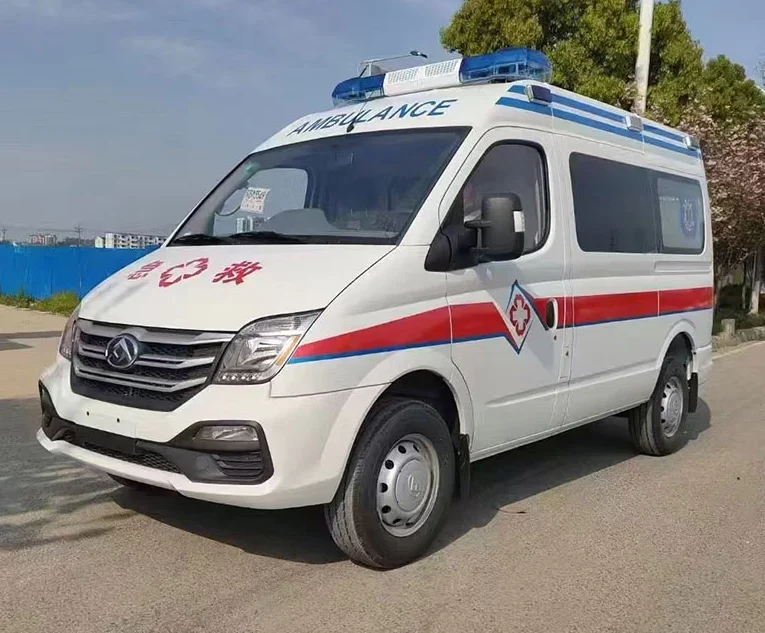
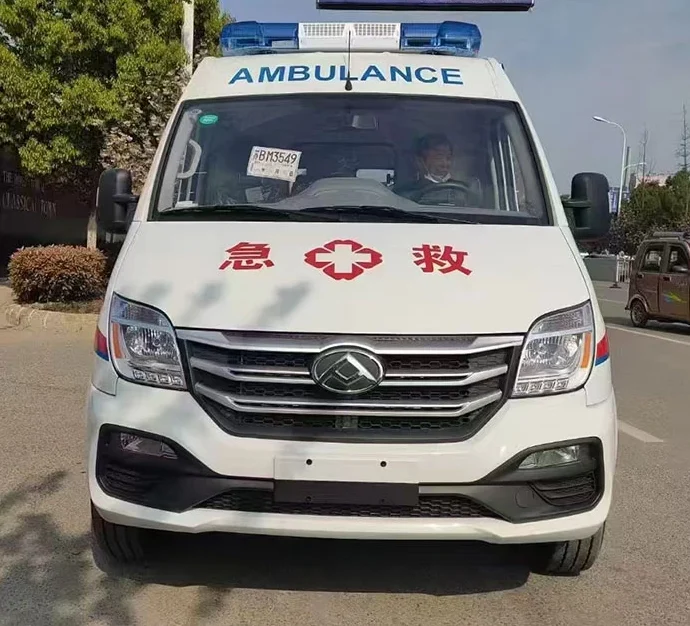
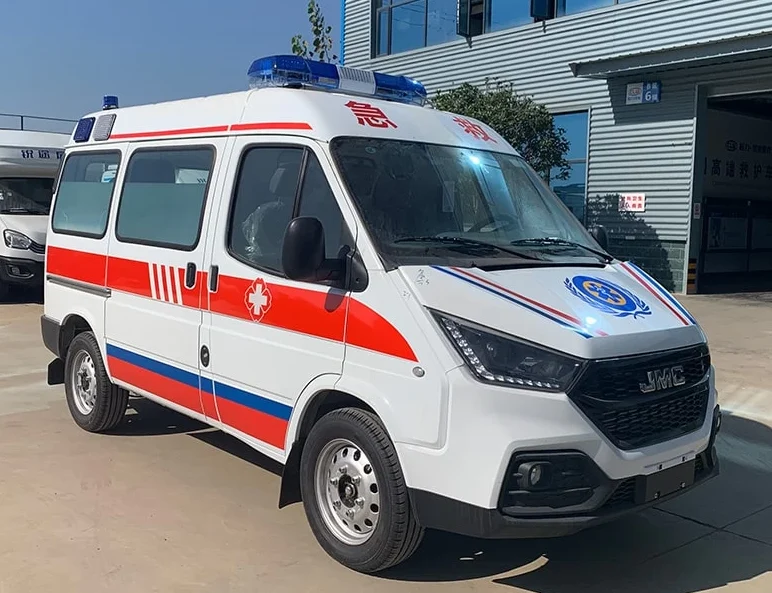
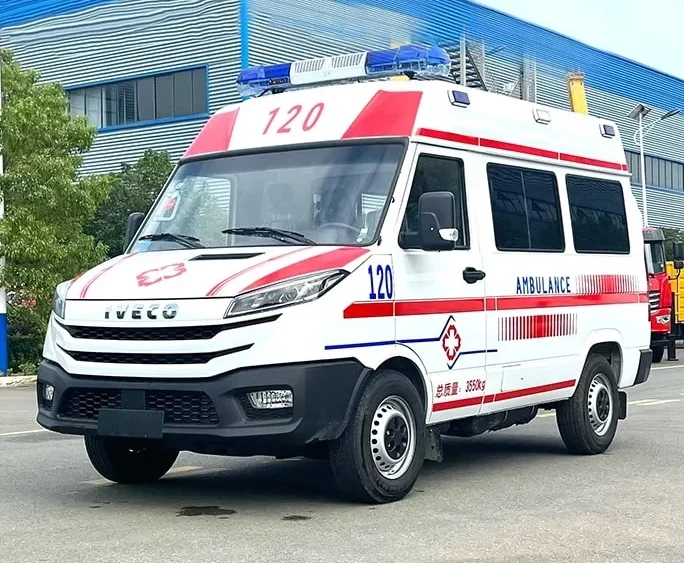
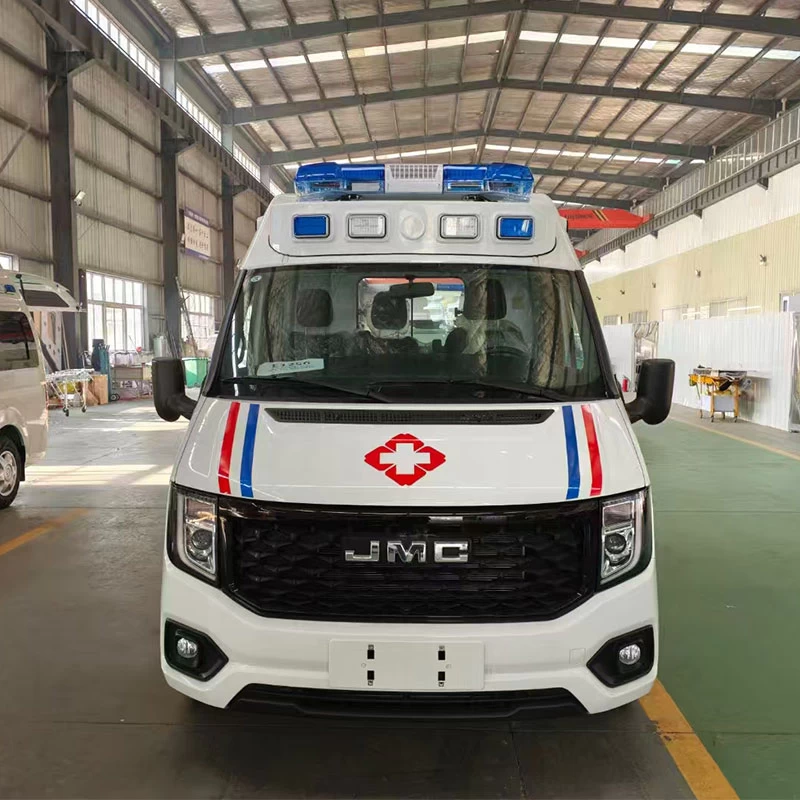
Emergency medical transportation is a vital service that bridges the gap between urgent medical needs and appropriate healthcare facilities. Designed to rapidly move patients experiencing life-threatening conditions—from accidents, sudden illnesses, or exacerbations of chronic disease—this service plays an essential role in modern healthcare systems. Whether it involves ambulances, air medical services, or specialized transport units, the goal of emergency medical transportation is to deliver timely and safe care during transit, ensuring patients reach hospitals or advanced care centers with continuous medical support.
This article explores the key elements of emergency medical transportation, including its features, applications, advantages, and technical standards. Understanding these aspects helps patients, families, and healthcare providers make informed decisions when every second counts.
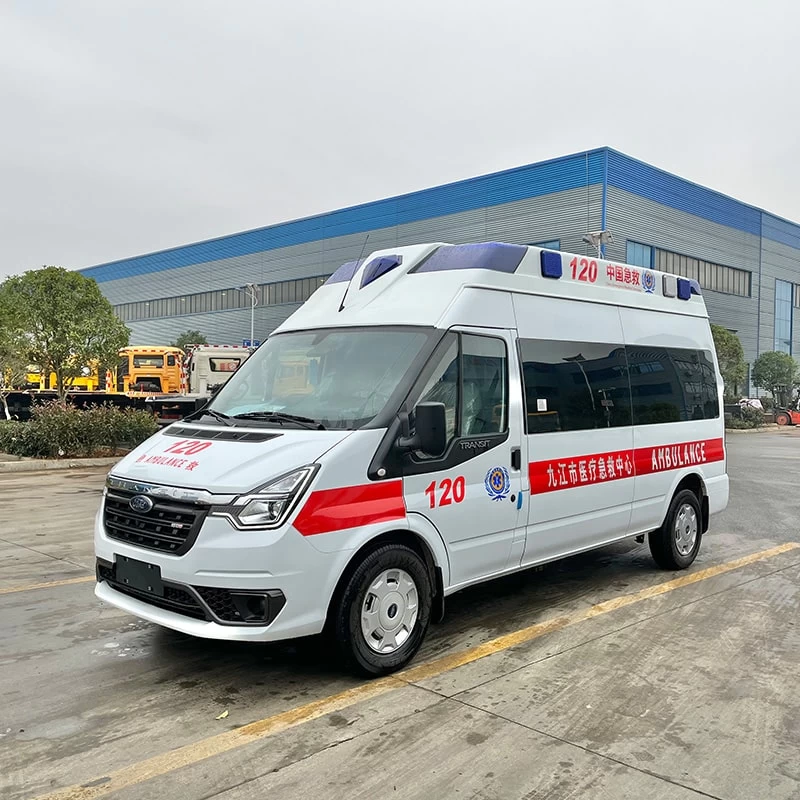
Emergency medical transportation isn’t just about moving a patient from point A to point B—it’s about maintaining clinical stability during that transfer. Below are the defining features that professionals and responders consider fundamental:
Emergency medical transportation services can vary depending on distance, terrain, urgency, and patient condition. The most common categories include:

Emergency medical transportation is utilized by a wide range of patients and systems across healthcare and public safety sectors:
These services ensure that every patient receives the appropriate level of care immediately, without waiting for scheduled transportation or self-transportation options.
The advantages of structured emergency medical transportation extend beyond speed. Highly trained teams and purpose-built vehicles provide clinical continuity and safety that ordinary transport cannot match.
These advantages make emergency medical transportation an indispensable part of effective healthcare delivery.
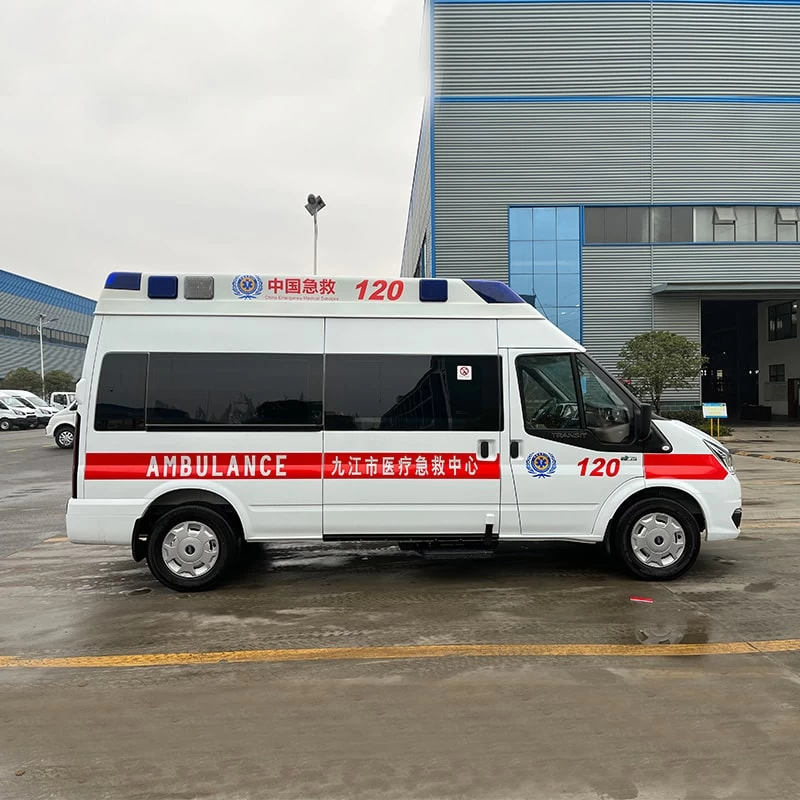
Emergency medical transportation systems are governed by stringent standards to ensure patient safety and operational reliability. The table below highlights key technical aspects and typical benchmarks for emergency transport vehicles and personnel:
| Component | Standard/Requirement |
|---|---|
| Response Time | Typically 8 minutes or less for critical calls (varies by region) |
| Medical Equipment | Advanced life support tools (defibrillators, ventilators, IV pumps) |
| Personnel Credentials | EMTs, paramedics, and licensed medical professionals |
| Vehicle Safety | Crash-resistant design, patient restraints, and infection control systems |
| Communication System | Real-time radio and digital connectivity with medical command centers |
Although emergency medical transportation delivers life-saving benefits, it also faces operational challenges. Traffic congestion, extreme weather, and geographic barriers can affect response times. Clear coordination with dispatch centers, traffic management, and regional healthcare networks is essential for maintaining service standards. Additionally, costs associated with high-level medical staffing and advanced equipment require efficient resource planning within healthcare systems.
Emergency medical transportation represents a cornerstone of contemporary emergency care, offering rapid, reliable, and clinically supported transport during critical moments. From urban centers to rural regions, these services save lives by combining prompt response, trained personnel, and advanced medical technology.
If you or your organization require emergency medical transportation support, connecting with accredited providers and understanding local response capabilities will ensure optimal outcomes during urgent health events. Whether you are a healthcare administrator, first responder, or community planner, investing in robust emergency medical transportation infrastructure contributes to stronger, healthier communities.