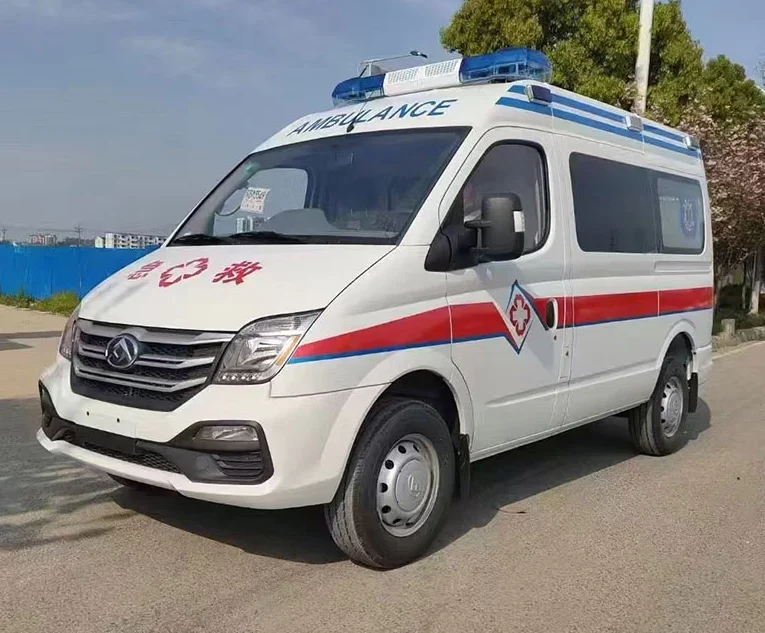
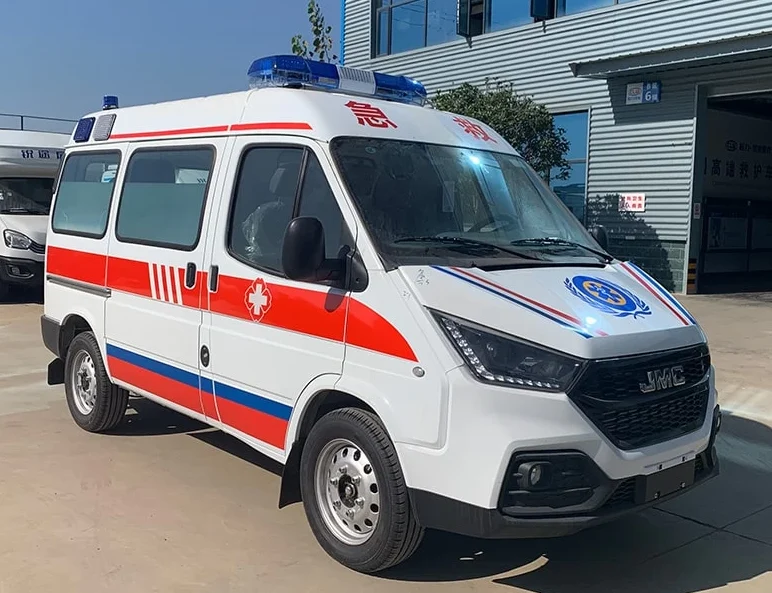
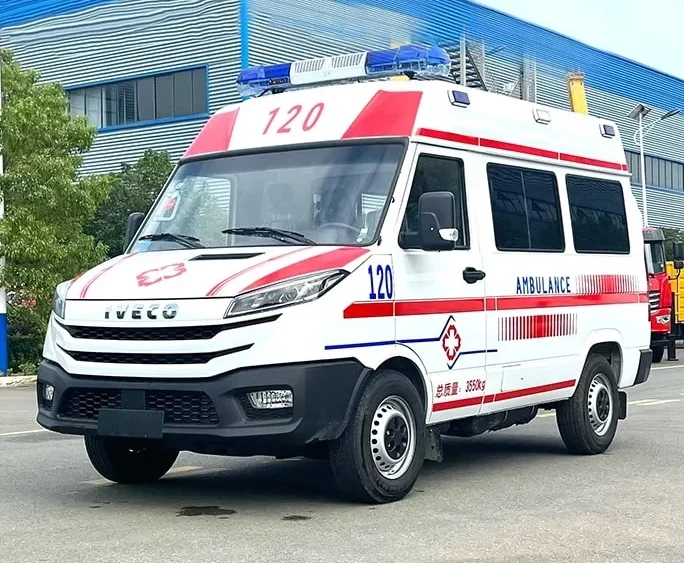
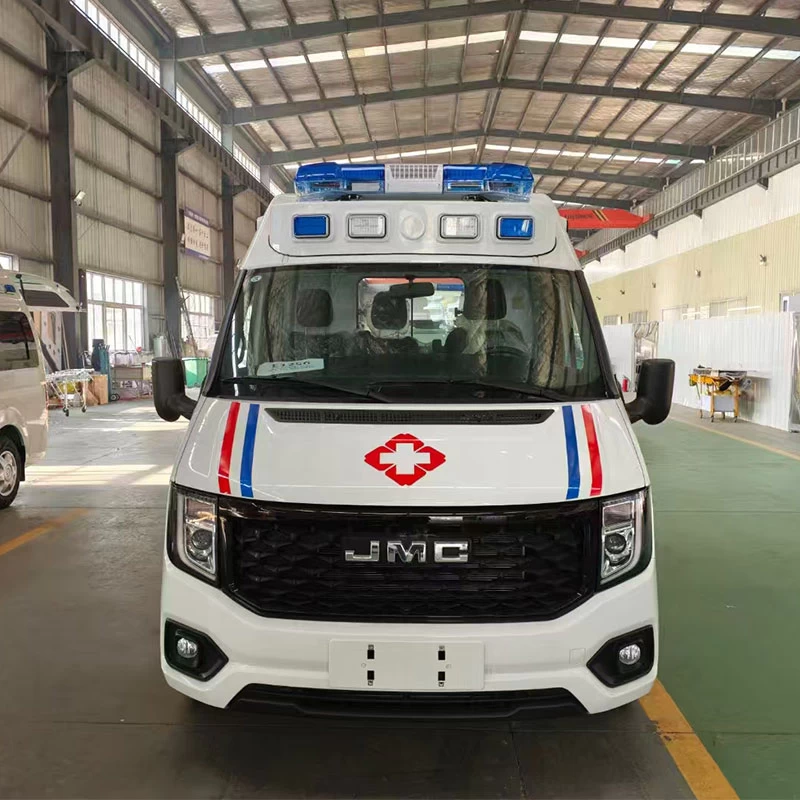
In today’s demanding healthcare environment, rapid intervention often determines the outcome of an emergency. An emergency medical car bridges the crucial gap between incident and hospital treatment by bringing essential medical equipment, trained personnel, and rapid transportation directly to those in need. Designed for speed, efficiency, and reliability, these vehicles play a pivotal role in pre-hospital care systems around the world.
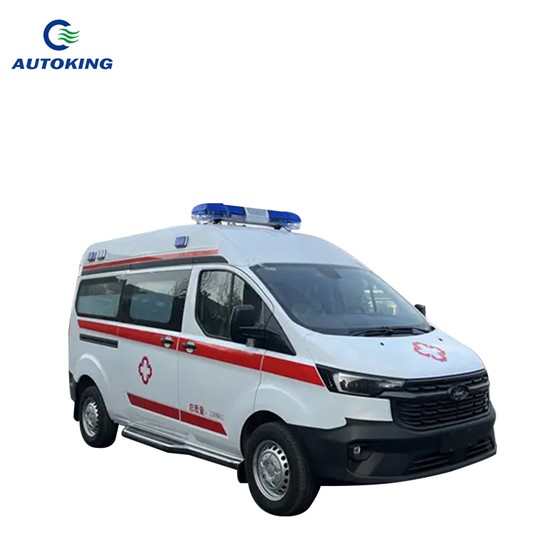
While ambulances traditionally dominate emergency response, the emergency medical car has emerged as a faster and more agile alternative for specific scenarios. These vehicles are engineered to navigate crowded urban streets, remote rural areas, and event venues where immediate medical attention is required.
Unlike larger ambulances, an emergency medical car focuses on:
Rapid first response
Transporting medical personnel
Supporting on-site diagnostic and stabilization procedures
Initiating life-saving care before the arrival of an ambulance
This approach expands emergency coverage, reduces response times, and increases the efficiency of regional healthcare systems.
To function effectively as a mobile medical platform, these vehicles integrate advanced systems and carefully organized interior layouts. Below are the core features commonly included:
These features allow healthcare personnel to deliver effective on-site stabilization before patient transfer.
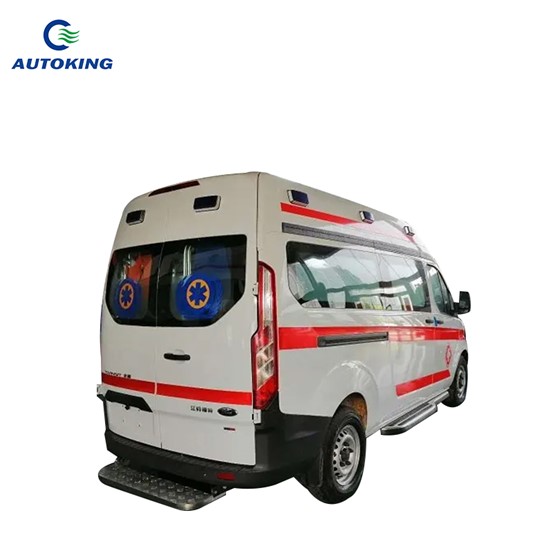
Emergency medical cars are deployed in a range of environments where speed and accessibility matter:
Large cities benefit greatly from agile vehicles that can surpass traffic congestion and reach emergency scenes faster than traditional ambulances.
Concerts, sports events, and public gatherings frequently use emergency medical cars for on-site standby and immediate intervention.
Narrow rural roads, mountainous regions, or islands often require compact emergency vehicles to reach patients quickly.
Factories, ports, logistics parks, and mining sites rely on these units for workplace incident response.
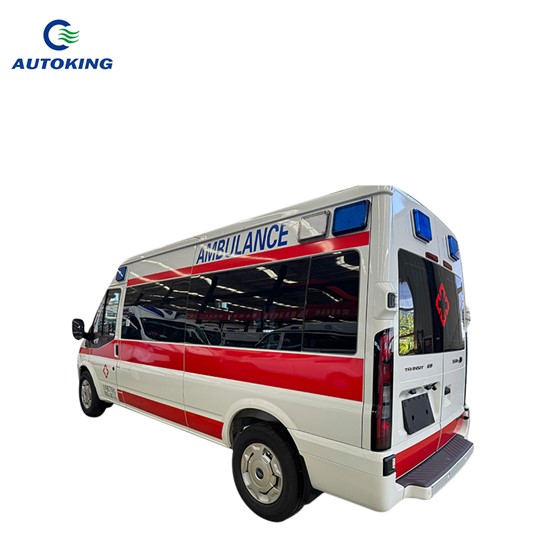
Compared with traditional ambulance fleets, emergency medical cars offer several strategic advantages that make them valuable additions to health and safety operations.
Healthcare systems constantly seek ways to improve emergency response performance. The emergency medical car fits perfectly into this strategy by offering high mobility, versatile configuration, and faster intervention. The reduction of response time—often measured in minutes—can dramatically influence survival rates, especially in cardiac, trauma, and respiratory emergencies.
Moreover, as cities grow and traffic congestion increases, the demand for compact medical vehicles is expected to rise, providing a reliable complement to traditional ambulance fleets.
An emergency medical car enhances pre-hospital care by combining speed, flexibility, and clinical capability in a compact form. Whether used by hospitals, municipalities, industrial zones, or event organizers, it improves emergency readiness and expands healthcare access. Organizations seeking to upgrade their response systems can benefit greatly from integrating this type of vehicle into their fleet.