Comprehensive Guide to Elevated Work Platforms: Safety, Types, and Applications
Introduction
Elevated work platforms are essential tools in modern construction, maintenance, and industrial operations where work must be performed at height. Designed to safely lift personnel and equipment above ground level, these platforms provide stable, mobile, and efficient access to elevated work areas. From painting building exteriors to repairing overhead lighting or servicing industrial equipment, elevated work platforms enhance productivity while prioritizing worker safety.
This article explores the key features, common applications, advantages, technical specifications, safety considerations, and best practices when selecting and using elevated work platforms.
What Are Elevated Work Platforms?
Elevated work platforms (EWPs) are mechanical devices that raise workers to a desired height safely and securely. Unlike traditional ladders or scaffolding, EWPs offer controlled movement, enhanced stability, and the ability to lift tools and materials alongside personnel. These platforms are widely used across industries due to their versatility and safety advantages.
Key Features of Elevated Work Platforms
Modern elevated work platforms come with a range of features that improve usability, safety, and performance. Below are common attributes found across various types of EWPs:
- Adjustable Height Control: Precise lift mechanisms allowing workers to reach specific elevations.
- Stable Work Surface: Guardrails, non-slip decking, and secure platforms for safety.
- Mobility: Wheels or tracks enabling easy repositioning on job sites.
- Power Options: Electric, diesel, or hybrid power systems to match work environments.
- Safety Systems: Emergency descent systems, overload protection, and tilt sensors.
Types of Elevated Work Platforms
Different project requirements dictate the type of elevated work platform best suited for the task. Here are the most common categories:
- Scissor Lifts: Vertical lift platforms ideal for indoor access, maintenance, and warehouse operations where straight ascent is necessary.
- Articulating Boom Lifts: Offers jointed arm movement for navigating around obstacles and reaching complex angles.
- Telescopic Boom Lifts: Provides extended horizontal reach with straight arm sections, perfect for construction and outdoor projects.
- Trailer-Mounted Platforms: Portable and light-duty platforms that can be towed to remote locations and set up quickly.
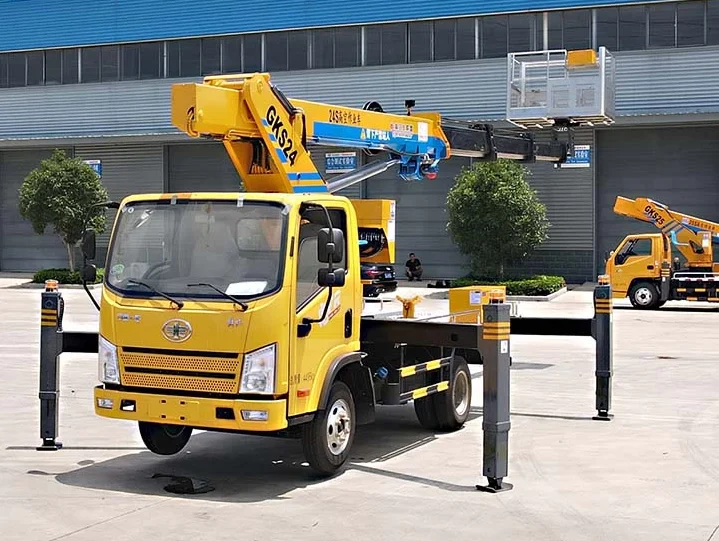
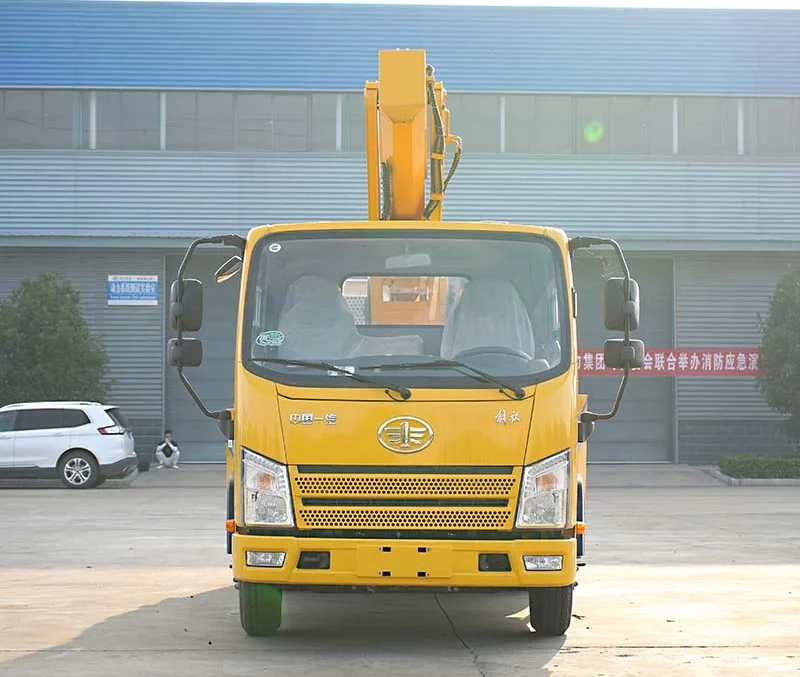
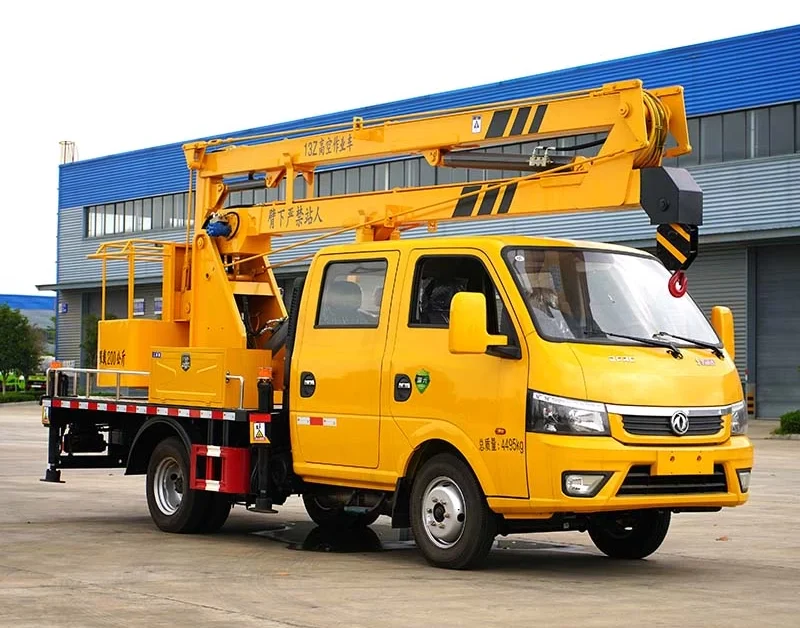
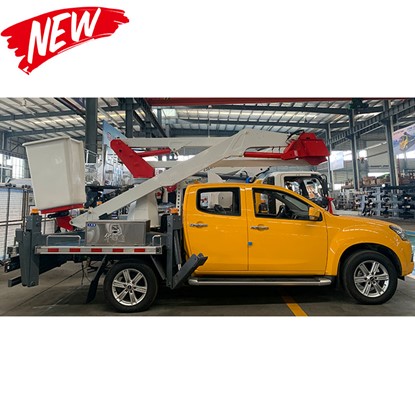
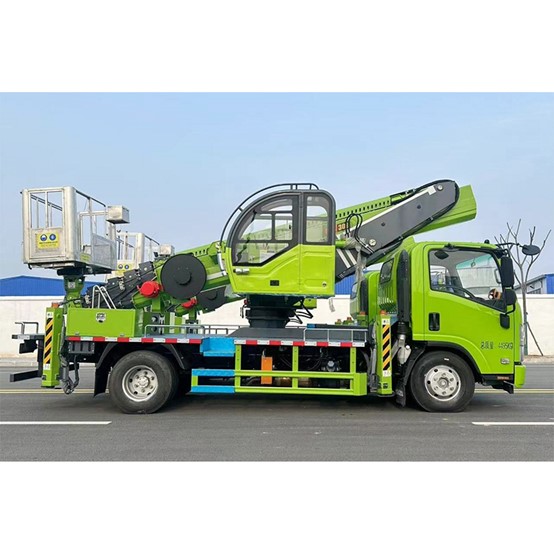
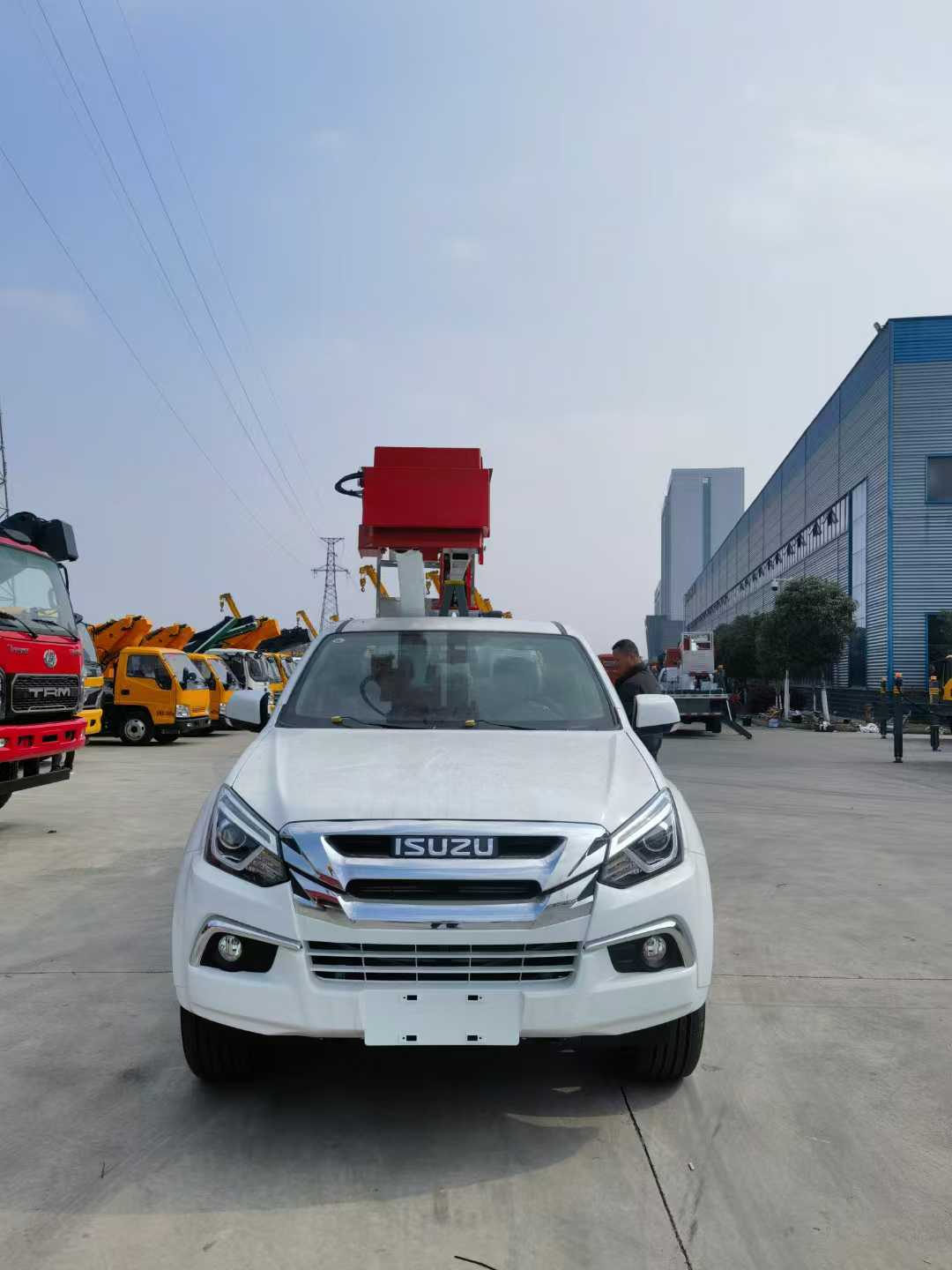
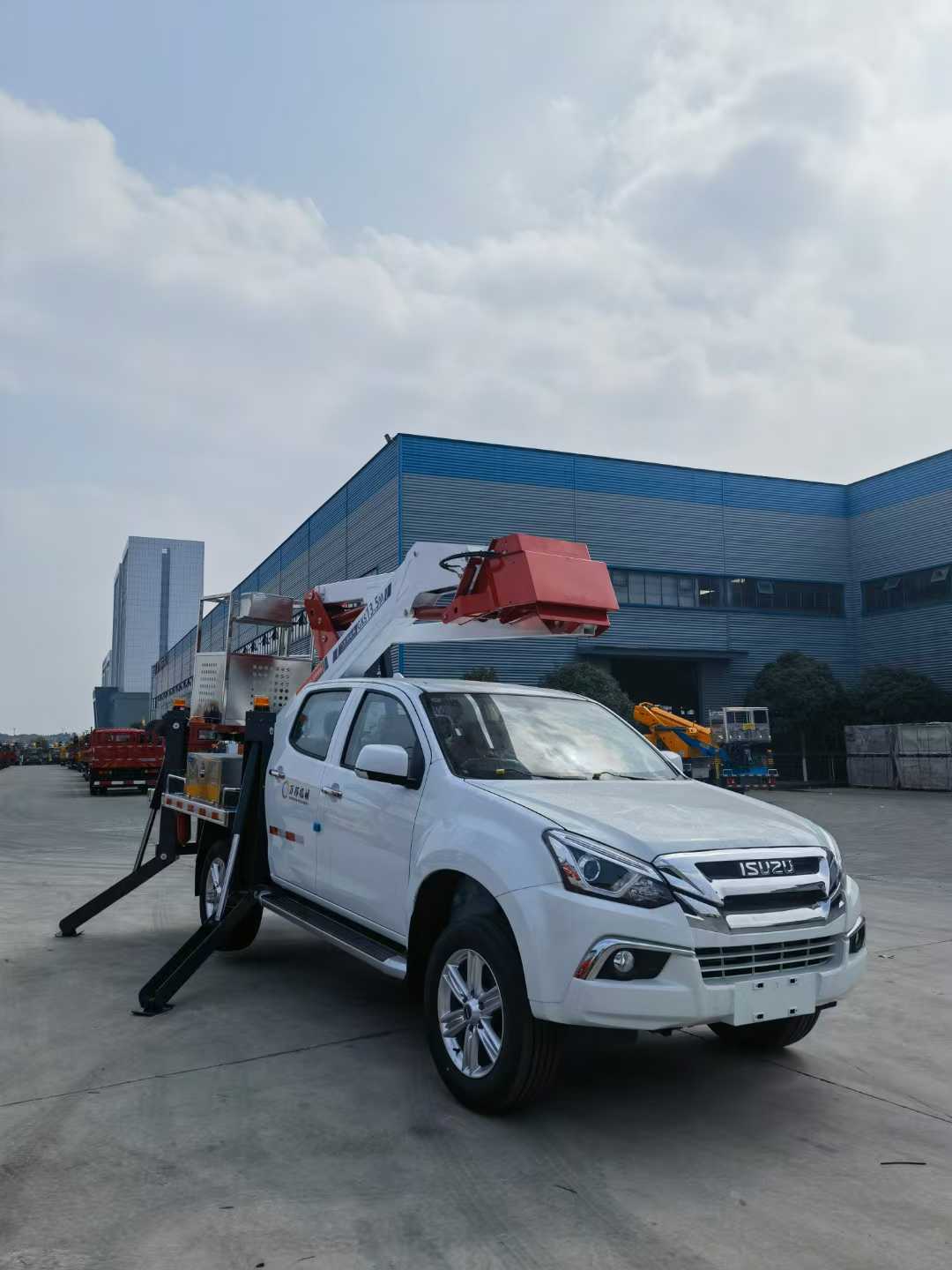
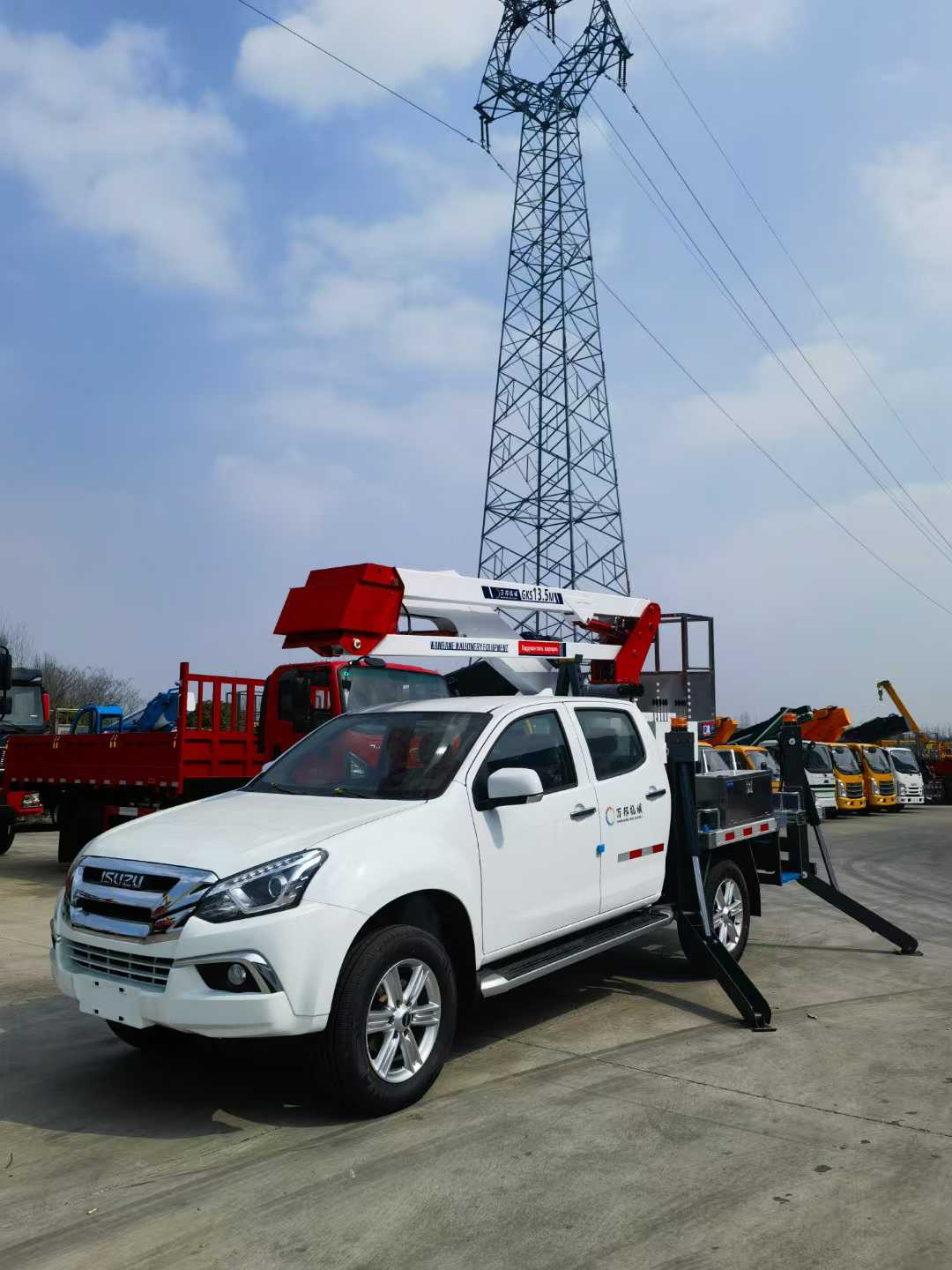
- Truck-Mounted Platforms: Mounted on a vehicle chassis for rapid deployment across large sites or roadwork zones.
Applications of Elevated Work Platforms
Elevated work platforms are versatile tools used across a wide range of industries. Their ability to safely elevate workers and tools makes them indispensable in many workplace environments:
- Construction: Window installation, facade work, roofing, and structural inspection.
- Facility Maintenance: Lighting replacements, HVAC servicing, ceiling repairs, and signage installation.
- Warehousing: Inventory management, racking system maintenance, and high-reach organizing.
- Telecommunications & Utilities: Pole work, cable servicing, and overhead equipment repairs.
- Event Setup: Stage lighting rigging, banner hanging, and temporary installation work.
Advantages of Elevated Work Platforms
Elevated work platforms offer significant benefits over traditional height-access methods. The advantages extend beyond worker safety to operational efficiency and cost-effectiveness:
- Enhanced Safety: Guardrails, secure decks, and stable elevation reduce fall risk compared to ladders or scaffolds.
- Higher Productivity: Rapid repositioning and extended reach help workers complete tasks faster.
- Versatility: Wide array of models accommodate diverse job site requirements.
- Reduced Setup Time: Ready-to-use platforms minimize downtime and labor typically required with scaffolding.
- Load Capacity: Ability to lift workers along with tools and materials safely.
Technical Specifications Overview
Understanding technical specifications helps operators choose the right elevated work platform for their needs. The table below outlines common parameters found in typical EWPs:
| Specification |
Description |
| Maximum Working Height |
Range from 10 ft to over 150 ft depending on type |
| Platform Capacity |
500–2,000 lbs (varies by model and design) |
| Power Source |
Electric, Diesel, Dual Fuel |
| Drive Type |
2WD, 4WD, or tracked for rugged terrain |
| Lift Mechanism |
Scissor, articulating boom, telescopic boom |
| Platform Dimensions |
Varies by model; typically 4–8 ft long, 2–4 ft wide |
Safety Considerations and Best Practices
Ensuring safety while using elevated work platforms is paramount. Employers and operators should follow these guidelines:
- Training & Certification: Operators should be trained and certified according to OSHA or local regulatory standards.
- Pre-Use Inspection: Check hydraulics, controls, guardrails, and tires/tracks before operation.
- Weather Awareness: Avoid use in high winds, heavy rain, or icy conditions that compromise stability.
- Load Limits: Never exceed the manufacturer’s specified platform capacity.
- Ground Conditions: Ensure stable, level surfaces to prevent tipping or instability.
How to Choose the Right Elevated Work Platform
Selecting the appropriate elevated work platform depends on several factors:
- Work Height: Determine the maximum height required for your tasks.
- Job Environment: Indoor vs. outdoor use may dictate power source and tire type.
- Mobility Needs: Consider whether the platform needs to be towed, driven, or is stationary.
- Load Requirements: Ensure the platform can safely carry personnel and equipment weight.
Conclusion and Call to Action
Elevated work platforms are indispensable in ensuring safe, efficient access to elevated work areas across multiple industries. From construction and maintenance to warehousing and utilities, these platforms improve productivity while significantly reducing the risk associated with working at height.
If your operation requires reliable and safe elevated access solutions, consider evaluating your project needs carefully and selecting the most suitable elevated work platform. Contact a trusted equipment supplier or rental provider today to explore options that match your application and safety requirements.