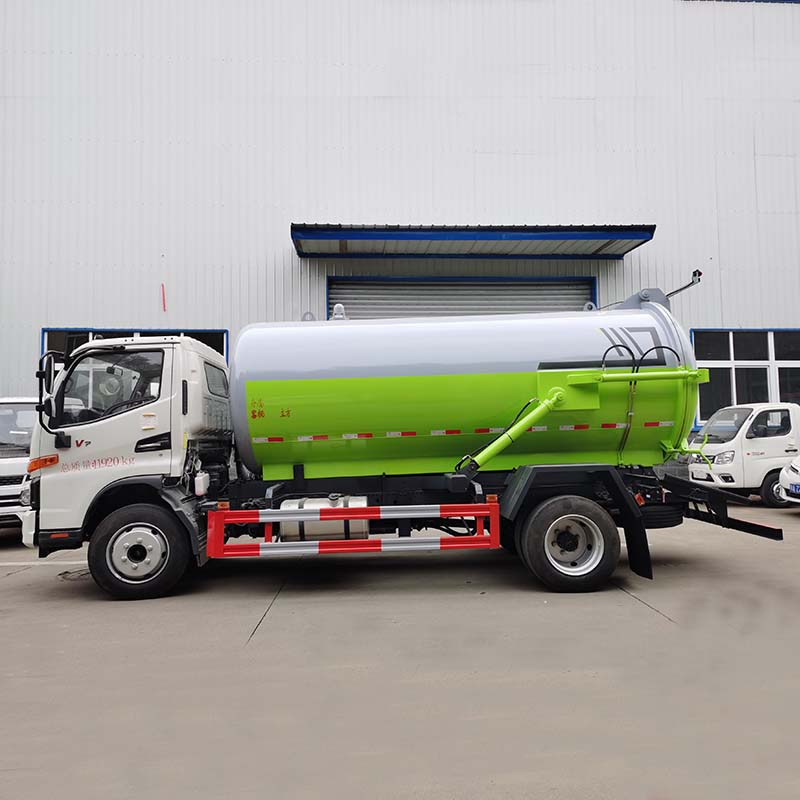
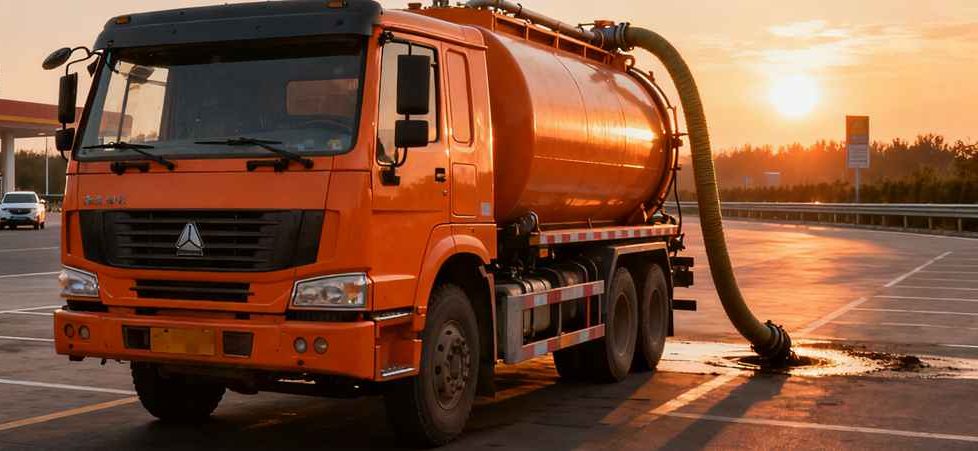
A commercial vacuum truck has become an essential asset for industries that manage liquids, sludge, debris, and hazardous waste. Unlike general-purpose transport vehicles, this specialized truck is engineered to create high suction power, allowing teams to remove, store, and transport materials that cannot be handled safely by conventional equipment. Industrial plants, municipal services, construction sites, and environmental cleanup teams increasingly rely on these trucks to maintain compliance, efficiency, and safety.
As environmental regulations tighten and operational standards rise, companies seek machinery that not only performs heavy-duty cleaning but also reduces downtime. The commercial vacuum truck fulfills this need by offering robust tank capacities, strong vacuum systems, and adaptable configurations for both wet and dry material recovery.
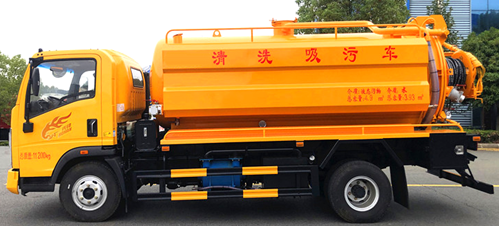
Commercial vacuum trucks play a vital role across multiple sectors. Municipal departments deploy them to maintain sewer lines, storm drains, and public utility systems. Industrial facilities use them for cleaning storage tanks, removing chemical by-products, or handling spills during maintenance shutdowns. Construction teams rely on vacuum units for debris extraction, site preparation, and safe soil removal around sensitive pipelines.
Environmental service providers also depend on these trucks for emergency spill response, riverbank restoration, and hazardous material containment. Their ability to capture and transport waste safely makes them indispensable for companies aiming to meet environmental standards and operational regulations.
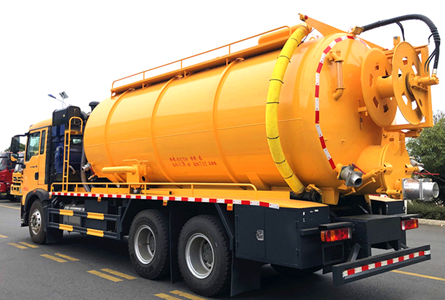
Choosing a commercial vacuum truck provides several operational advantages. First, it significantly reduces manual labor, preventing exposure to harmful substances and lowering injury risks. Second, its powerful suction system allows rapid material removal, minimizing downtime during repairs or site transitions. The truck also enhances compliance by ensuring that waste is transported securely to treatment facilities or disposal sites.
Another benefit is cost efficiency. Although these trucks are specialized, they help businesses save long-term costs by reducing maintenance interruptions, preventing fines related to waste mismanagement, and improving workflow consistency. The versatility of the equipment—capable of handling both light-duty maintenance and heavy industrial cleanup—adds even greater value.
Below is an example overview of typical specifications found in this category. Specific configurations may vary, but these values represent common industry standards.
| Specification | Typical Range / Feature |
|---|---|
| Vacuum System Power | 3,000–5,000 cubic meters/hour |
| Tank Capacity | 5,000–12,000 liters |
| Pump Type | Rotary vane or liquid ring vacuum pump |
| Material Handling | Wet waste, sludge, slurry, dry debris |
| Hose Diameter | 75–150 mm |
| Chassis Configuration | Medium or heavy-duty truck platform |
| Safety Systems | Pressure relief valves, tank level indicators, filtration units |
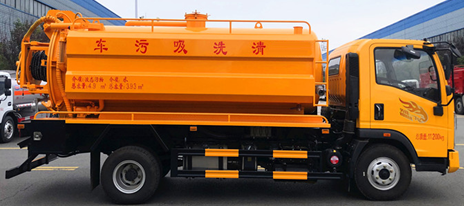
A commercial vacuum truck is more than a cleaning tool—it is a critical component in maintaining industrial safety, environmental compliance, and operational efficiency. Its ability to manage diverse materials makes it invaluable for companies seeking reliable, high-performance equipment. If you need assistance comparing configurations, preparing marketing descriptions, or creating technical content for different models, I can help develop tailored material based on your specific goals.