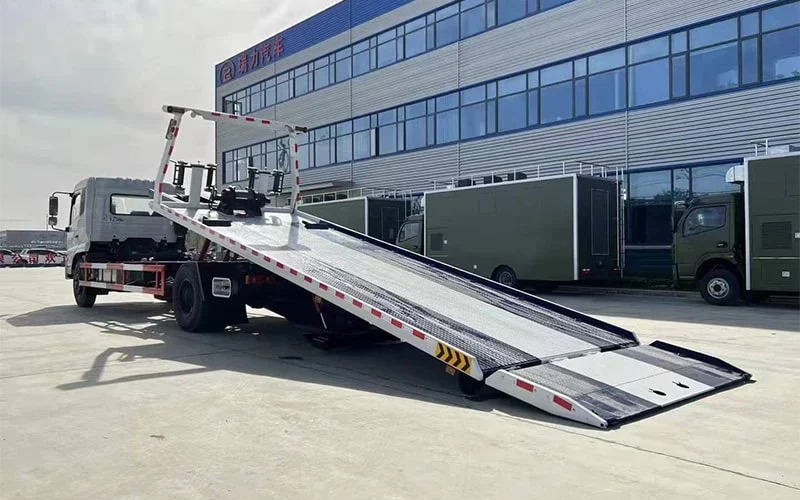
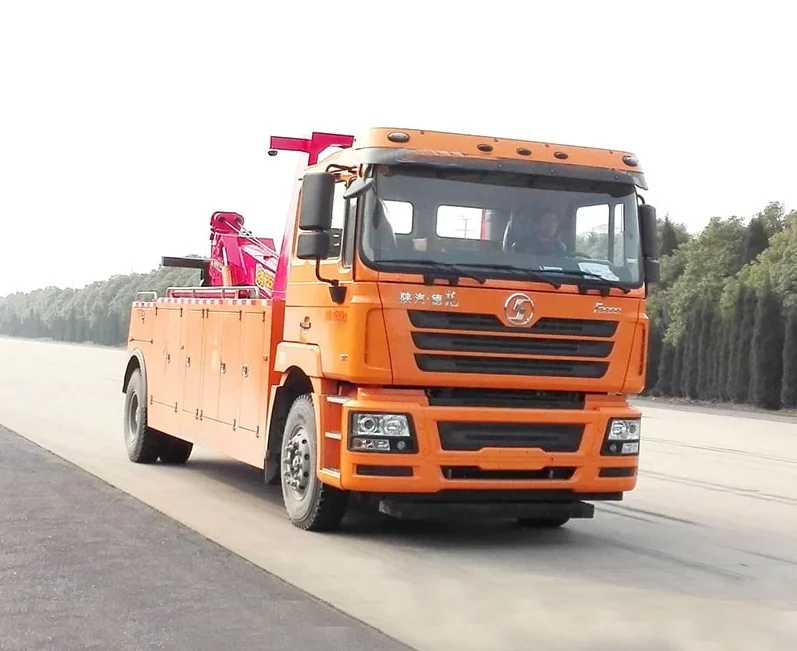
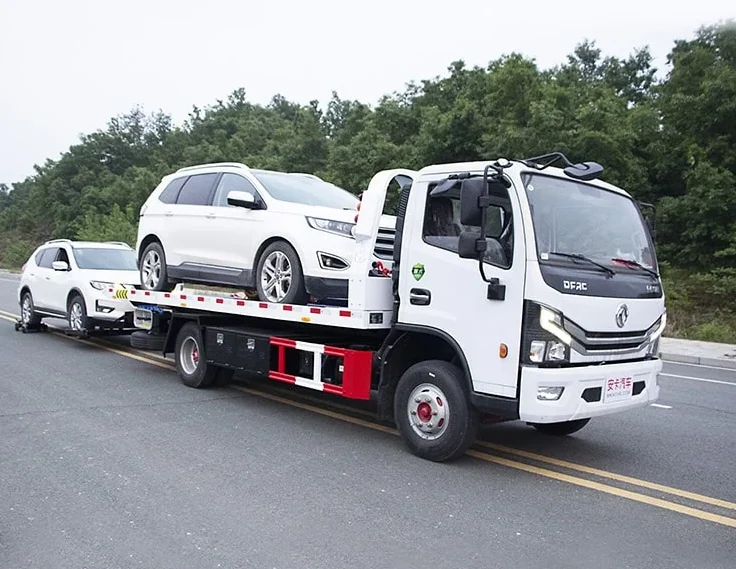
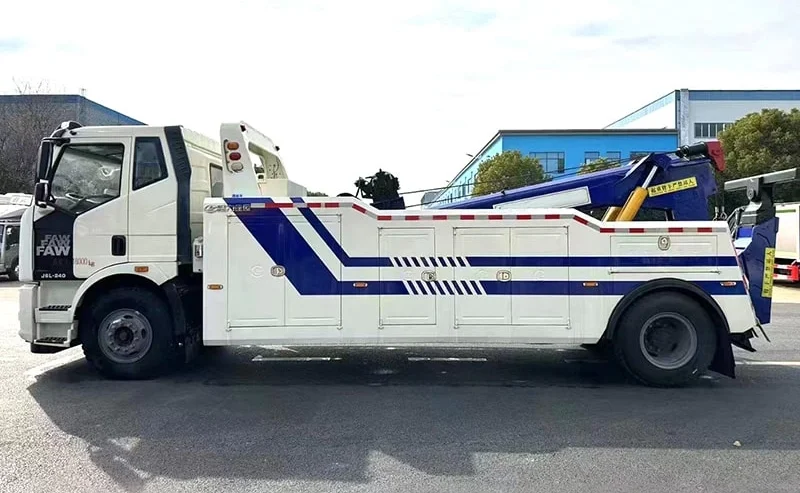
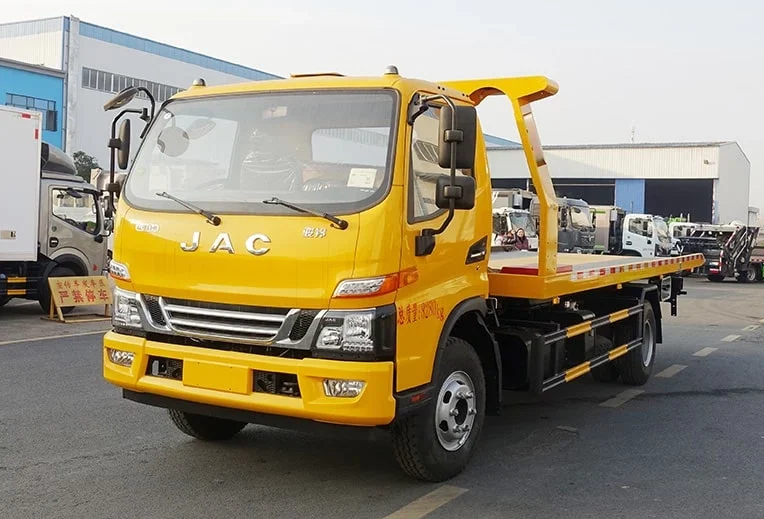
When it comes to heavy-duty transportation and roadside assistance, **commercial truck towing** plays a critical role in keeping fleets moving and minimizing costly downtime. Unlike personal vehicle towing, commercial truck towing involves larger, heavier vehicles such as tractor-trailers, box trucks, and vocational trucks that require specialized equipment, trained operators, and safety protocols designed for high-tonnage operations.
Whether you are managing a logistics company, operating a roadside service business, or responsible for fleet maintenance, understanding how commercial truck towing works and the equipment involved can help you make smarter decisions, improve response times, and enhance overall safety.

At its heart, commercial truck towing is about recovering and transporting disabled or immobilized heavy vehicles safely and efficiently. This requires more than just powerful tow trucks; it demands integrated systems that address load control, secure attachment, and stability during transit.
Commercial truck towing services are used in a variety of situations, ranging from planned transfers to emergency roadside assistance:
Utilizing dedicated commercial truck towing services offers several distinct advantages over ad-hoc methods:
Below is a snapshot of common equipment characteristics and specifications associated with commercial truck towing operations. Actual specs may vary based on vehicle size and intended use.
| Component | Typical Attribute |
|---|---|
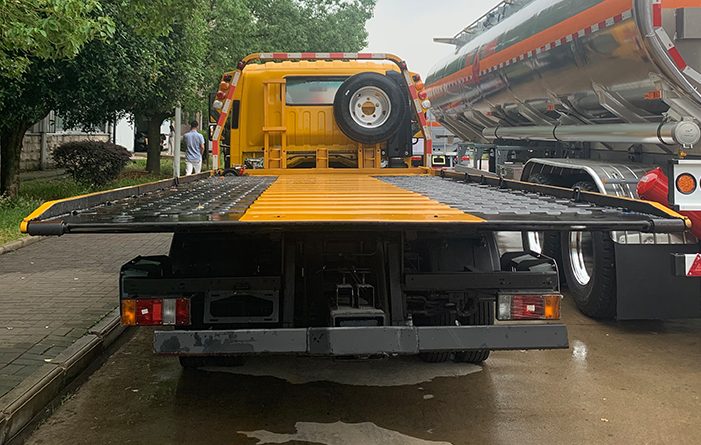
| Tow Truck Type | Heavy-duty rollback, boom tow truck, or integrated truck recovery vehicle |
| Gross Vehicle Weight Rating (GVWR) | High GVWR to handle large tractor-trailers |
| Winch Capacity | Adapted for high-tension pulls required for semi-trailers |
| Attachment Systems | Wheel lifts, adapters, and dollies for secure engagement |
| Stability Aids | Outriggers and ballast for safe lifting and pulling |
| Control System | Remote or in-cab controls for precision operations |

Effectively integrating commercial truck towing into your fleet strategy involves more than having the right hardware. The following best practices can improve outcomes and boost operational efficiency:
Commercial truck towing is an indispensable part of heavy vehicle logistics and emergency support. By leveraging purpose-built equipment, trained operators, and standardized procedures, organizations can reduce downtime, improve safety, and maintain operational continuity even in challenging situations.
If your organization handles large vehicles regularly, consider partnering with experienced towing professionals or investing in the right recovery assets to enhance your operational resilience. Reliable towing support doesn’t just clear roads — it protects your revenue and reputation.