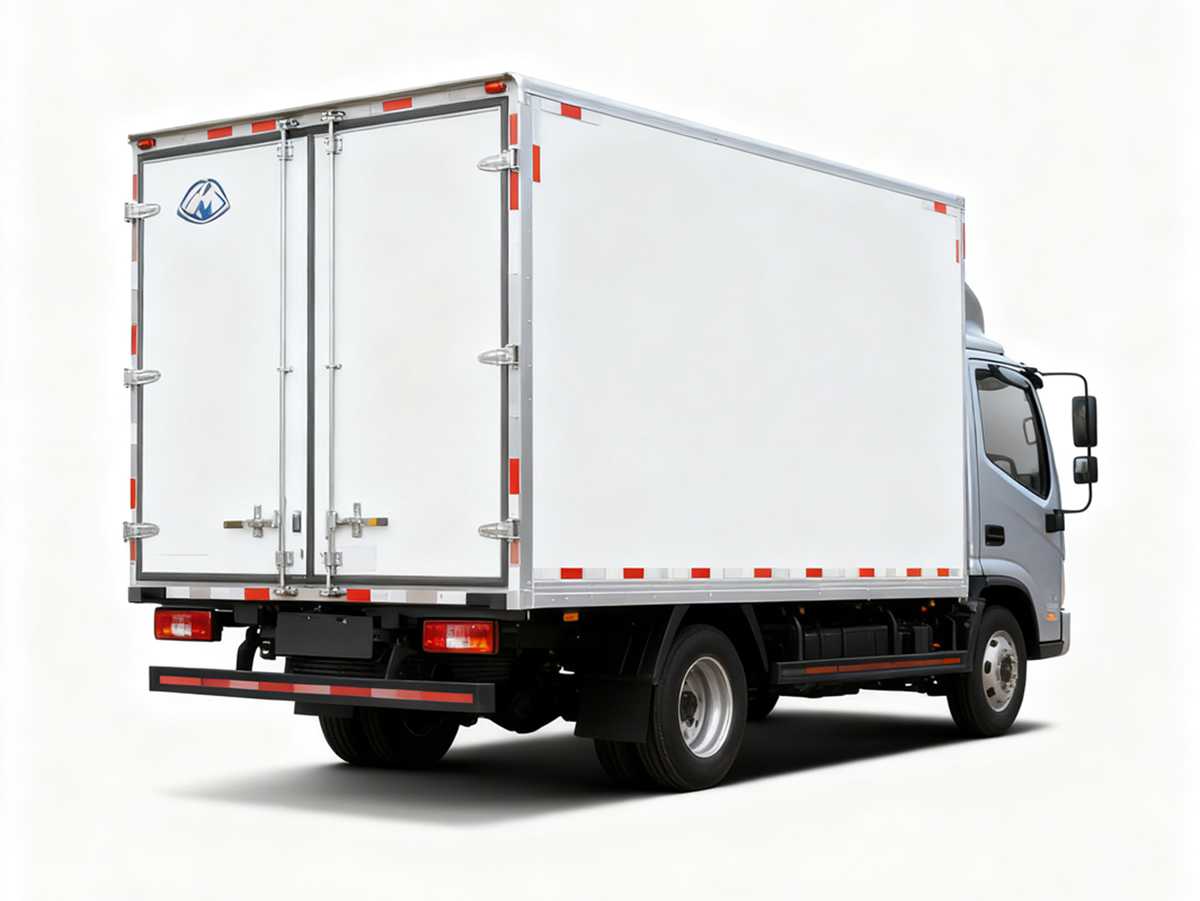
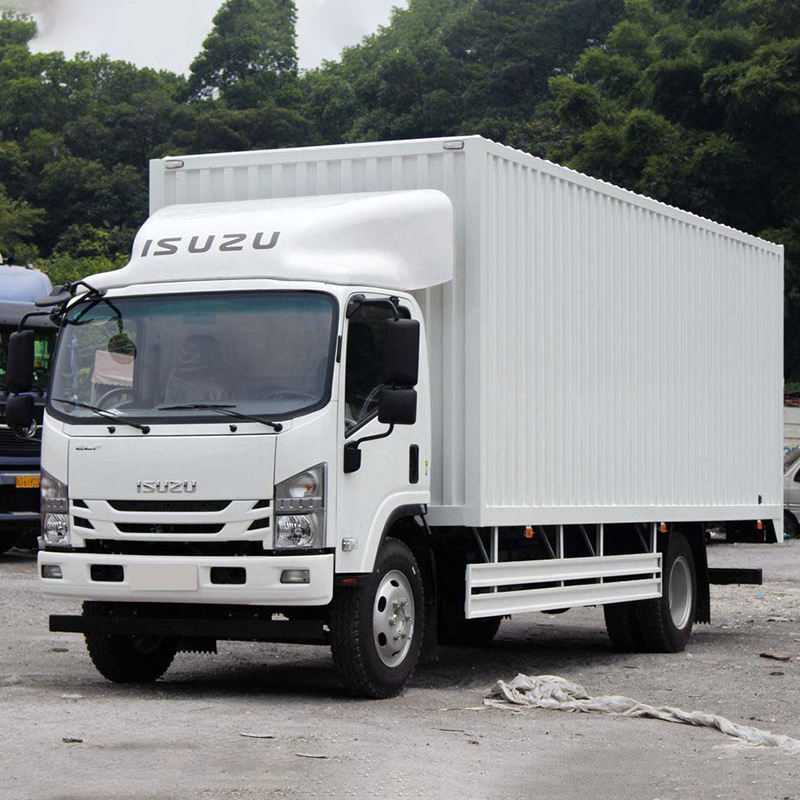
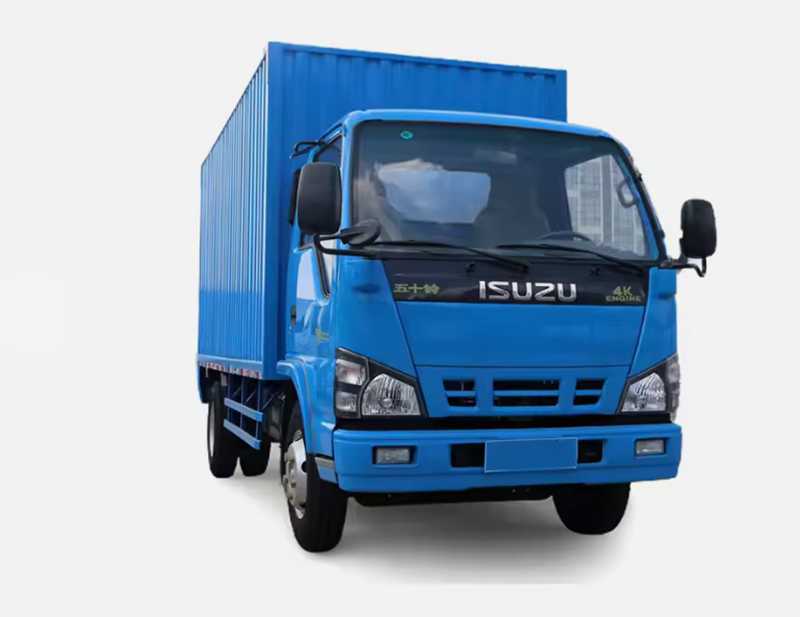
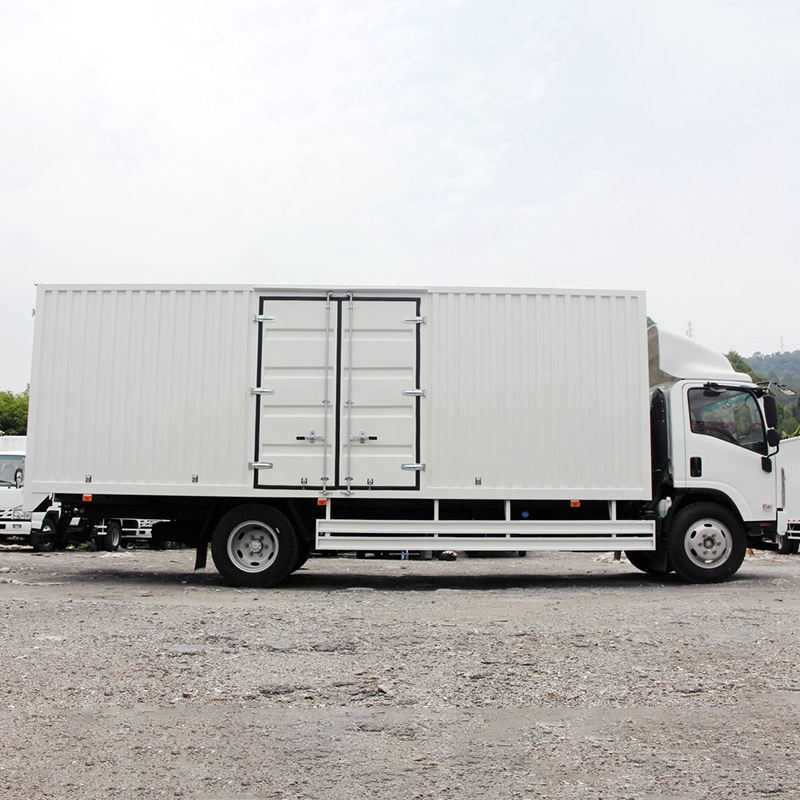
In today’s rapidly evolving supply chain environment, companies of all sizes rely on efficient cargo truck transport to keep goods moving from factories to distribution centers and ultimately to end customers. This transportation method plays a foundational role in domestic logistics because it offers flexibility, accessibility, and the ability to manage diverse types of freight. From palletized goods to oversized materials, cargo truck transport ensures that businesses maintain momentum in daily operations.
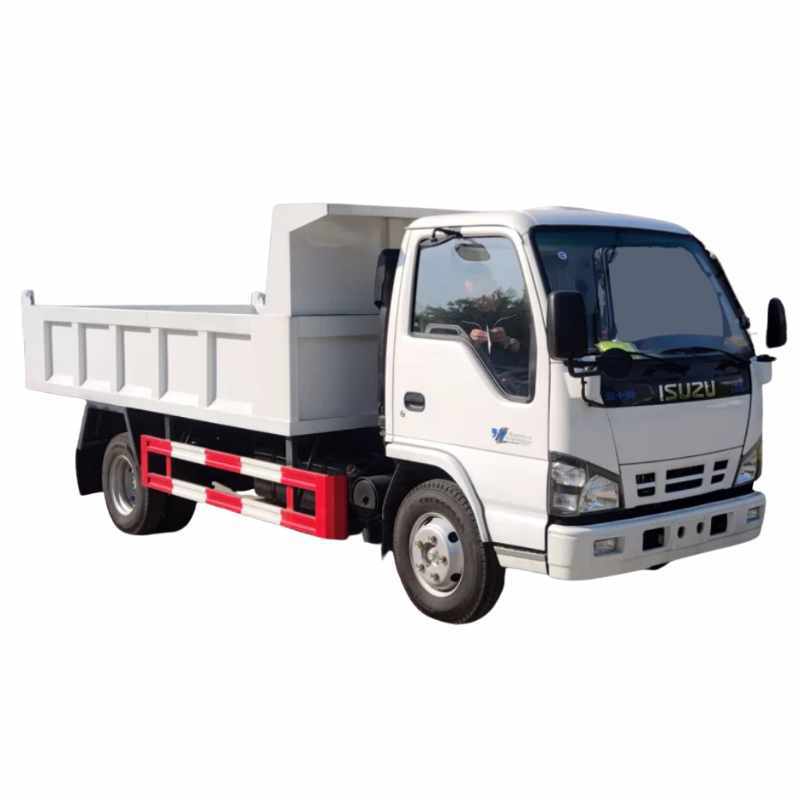
While air and rail freight dominate long-distance operations, cargo truck transport remains the backbone of short- to mid-range movement. Its adaptability supports both scheduled and on-demand logistics, making it ideal for retail replenishment, manufacturing supply chains, and regional freight distribution. By connecting remote areas with commercial hubs, this transport model helps businesses achieve dependable delivery cycles and maintain steady inventory levels.
A dependable transport provider does more than simply move goods from point A to point B. The following features reflect the quality and reliability businesses expect:
The versatility of cargo truck transport enables it to serve an expansive range of industries. Retailers depend on it to move consumer products between warehouses and storefronts. Manufacturing companies rely on timely inbound shipments of raw materials and outbound distribution of finished products. Agriculture businesses use cargo trucks to deliver produce, feed, and farm supplies. Even the construction sector benefits from scheduled delivery of tools, equipment, and building materials. Because transport models can be tailored to the type of freight, it remains a universal solution for both commercial and industrial sectors.
Businesses consistently choose this logistics method due to its measurable operational benefits. One major advantage is the geographic reach: trucks can access areas that other freight modes cannot, including rural or hard-to-reach regions. Additionally, cargo truck transport offers a high degree of scheduling flexibility, making it easier to coordinate last-minute deliveries or adapt to changing supply chain demands. Another key benefit is the cost-efficiency achieved through consolidated loads, route planning, and multi-stop distribution. With predictable transit times and consistent availability, cargo trucks provide the reliability that modern businesses require.
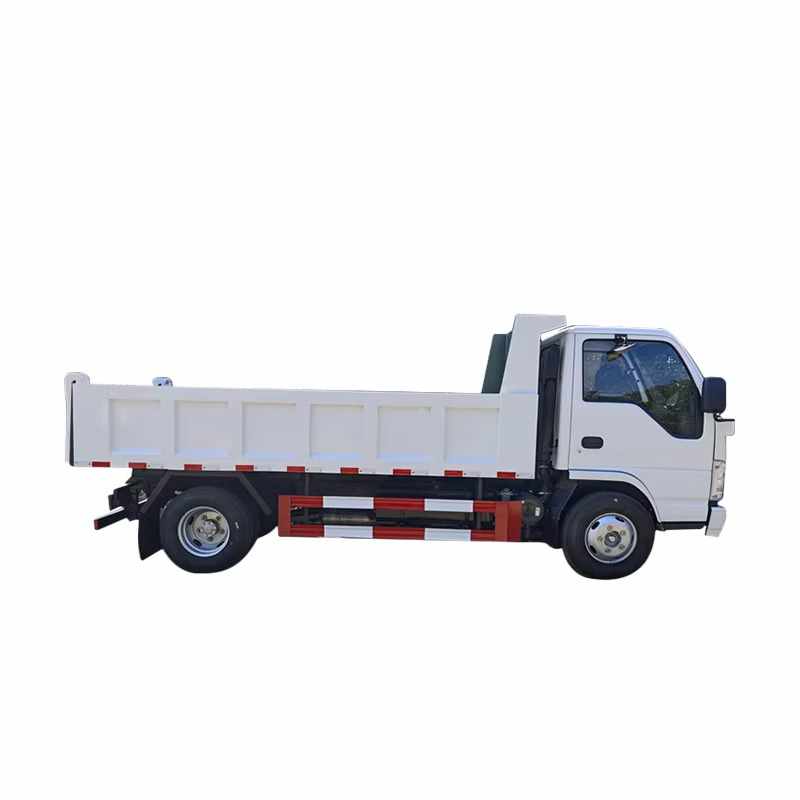
Although cargo trucks vary widely, the table below outlines common technical attributes found across many transport fleets:
| Specification | Typical Range | Description |
|---|---|---|
| Cargo Capacity | 3–25 tons | Indicates how much freight can be transported per load. |
| Cargo Body Length | 10–30 ft | Adjustable depending on freight size requirements. |
| Engine Power | 120–350 hp | Supports reliable performance across varied terrain. |
| Fuel Type | Diesel / Hybrid | Chosen based on operational priorities and regional regulations. |
| Load Protection | Steel box, curtain side, refrigerated options | Ensures the cargo remains secure and protected during transit. |
With its adaptability, strong logistics support, and broad industry applications, cargo truck transport remains an essential part of today’s supply chain. Whether you’re moving commercial goods, supporting a manufacturing workflow, or expanding distribution capabilities, a dependable transport service can significantly improve operational efficiency. If you’re exploring logistics options for upcoming shipments, consider reaching out to a professional cargo transport provider to discuss customized solutions that align with your business needs.