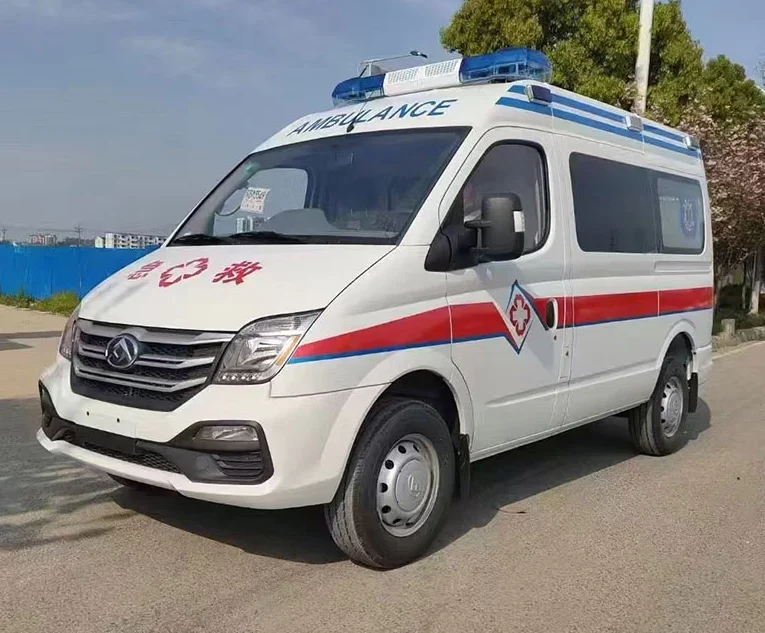
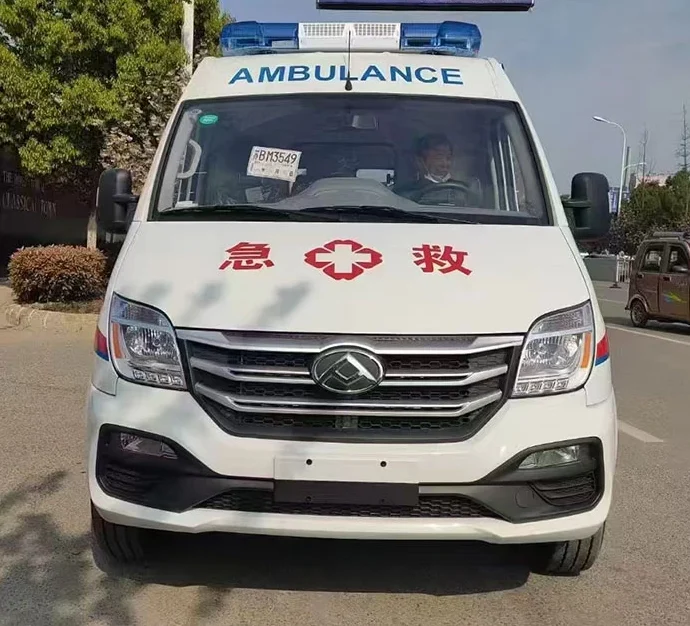
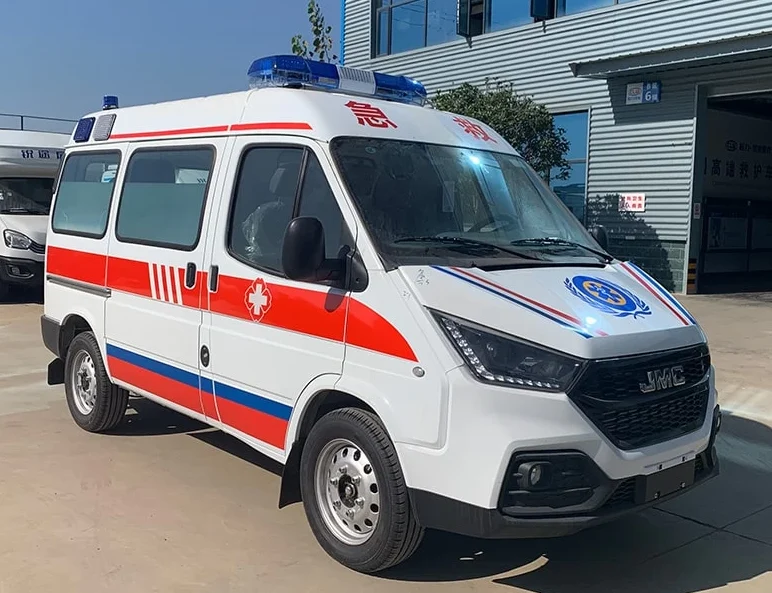
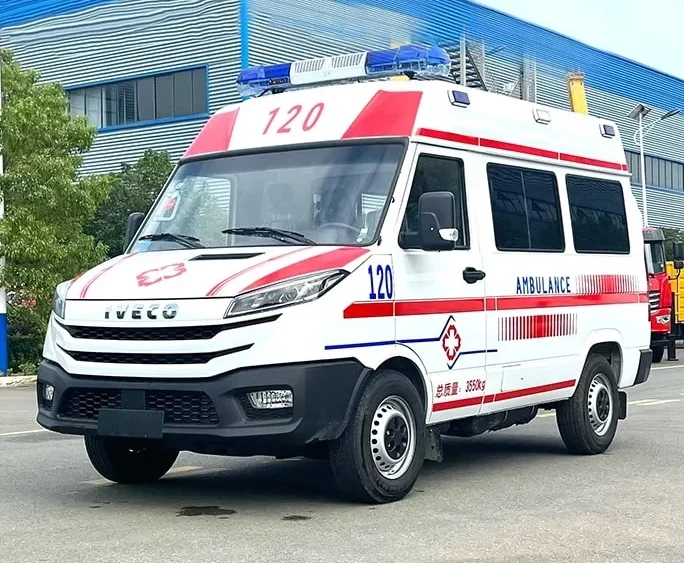
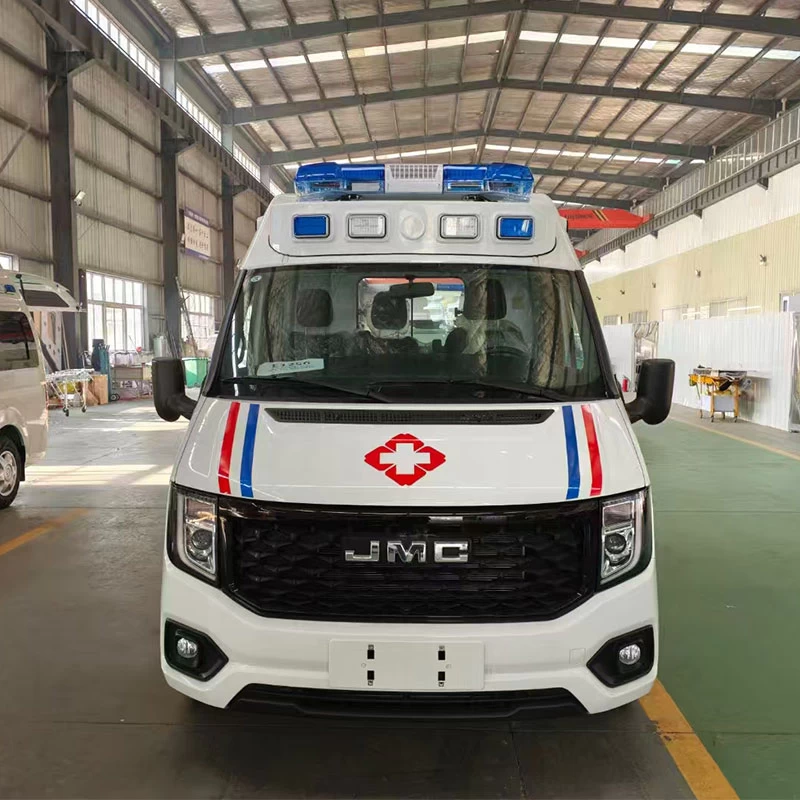
Bespoke mobile medical vehicles represent a major shift in how healthcare services are delivered, especially in regions where clinics, hospitals, or diagnostic centers are out of reach. Unlike standard medical units, these vehicles are fully customized to match the exact requirements of medical providers—whether the goal is to support rural outreach, handle rapid emergency deployment, or deliver specialized services such as dental care, imaging, and preventive screenings.
As healthcare systems evolve, mobility has become an essential component of accessibility. Bespoke mobile medical vehicles fill this gap by offering a self-contained, technologically equipped environment that can travel directly to the community. This capability reduces barriers to treatment and ensures that essential services reach patients where they are most needed.
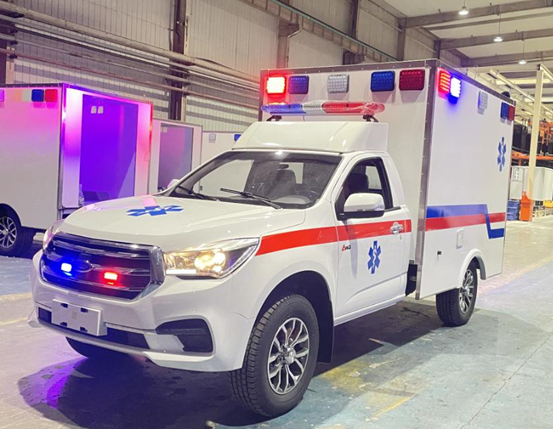
These vehicles are used across a wide spectrum of healthcare operations. Public health organizations deploy them for vaccination drives, screening programs, and maternal-care outreach. Remote communities benefit significantly because specialized care—such as dental treatment, eye exams, or chronic disease management—can be delivered locally without long travel distances.
Private healthcare providers also use bespoke mobile medical vehicles to expand their service footprint, offering on-site corporate health checks, occupational medical evaluations, and community wellness campaigns. Emergency services rely on customized units for disaster relief, ensuring that mobile clinics can operate after infrastructure disruptions.
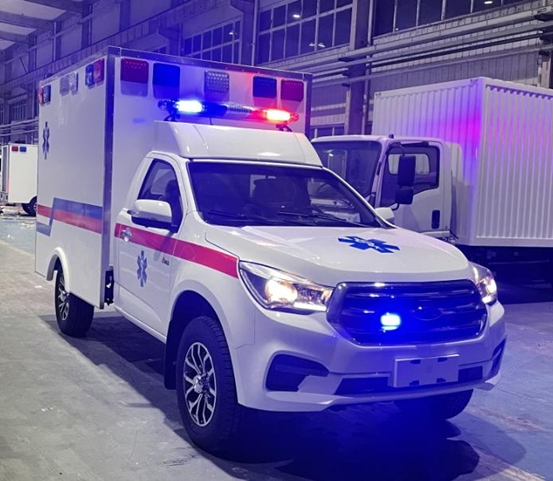
Customization is the defining advantage of these mobile units. Instead of adapting medical operations to the constraints of a generic vehicle, healthcare teams shape the vehicle around their workflow. This results in a clinical environment that improves staff efficiency, reduces patient waiting times, and supports higher service throughput.
Another operational gain comes from multi-function configurations. A single mobile vehicle may include diagnostic areas, consultation spaces, and minor-treatment zones—allowing integrated patient care without relocating. This flexibility ensures that organizations can scale or modify services based on evolving community needs.
Below is a typical set of specifications found in bespoke mobile medical vehicles. Actual configurations vary depending on the medical specialty and operational scope.
| Specification | Typical Configuration |
|---|---|
| Vehicle Platform | Light, medium, or heavy-duty chassis depending on clinic size |
| Interior Zones | 1–3 clinical rooms plus storage and administrative areas |
| Power Supply | 5–12 kW generator with optional solar integration |
| HVAC System | Medical-grade climate control with HEPA filtration |
| Equipment Support | Mounts for diagnostic machines, treatment stations, and IT systems |
| Accessibility Features | Wheelchair lift, anti-slip flooring, widened door entry |
| Data Connectivity | 4G/5G routers, satellite uplink, telemedicine platforms |
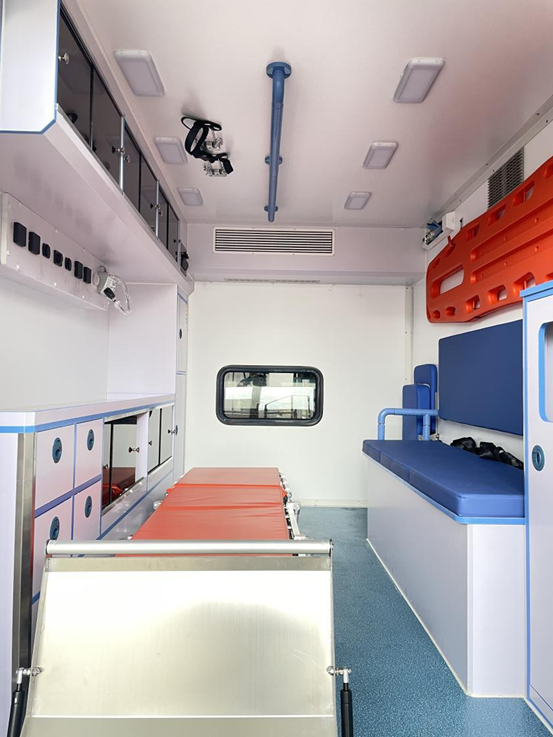
Bespoke mobile medical vehicles play a transformative role by expanding access, improving service flexibility, and meeting the growing demand for community-oriented healthcare. Their custom-built nature ensures they can adapt to any medical specialty, outreach mission, or environmental requirement. If you need support designing a specific type of mobile clinic or preparing promotional content for different configurations, I can assist with tailored technical descriptions or marketing materials.