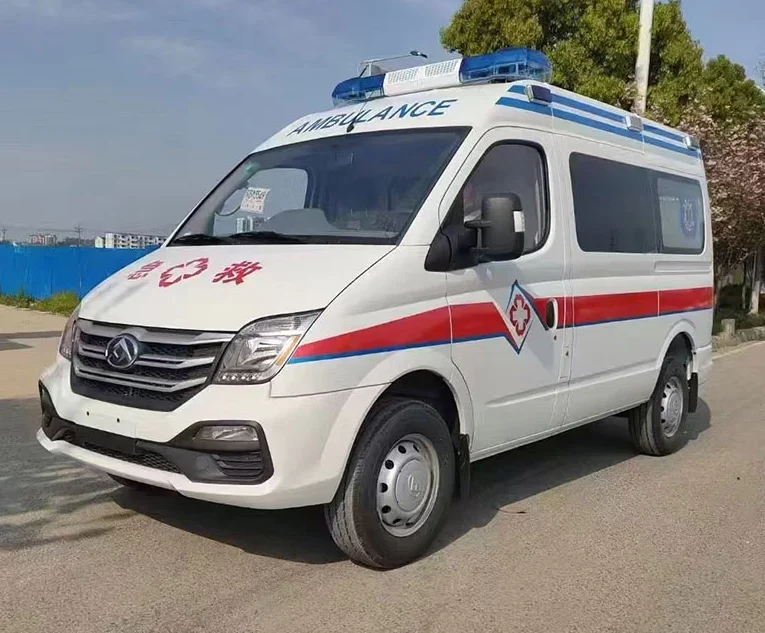
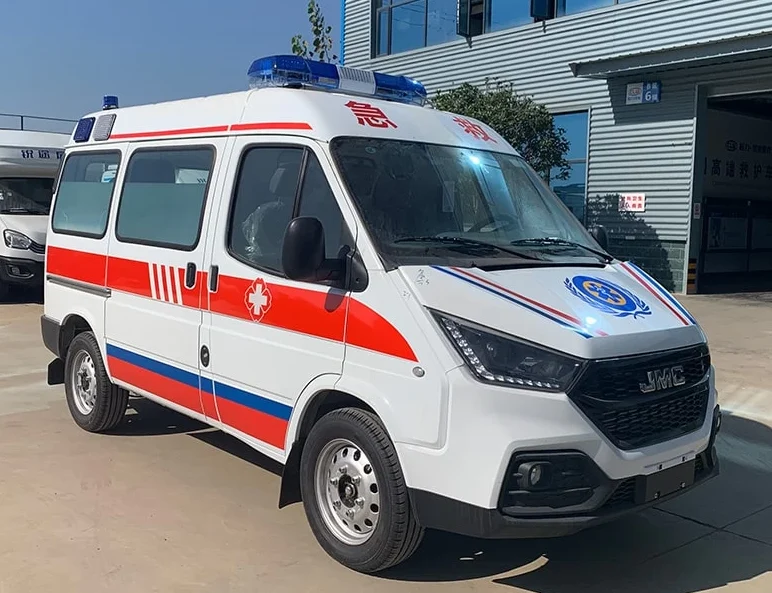
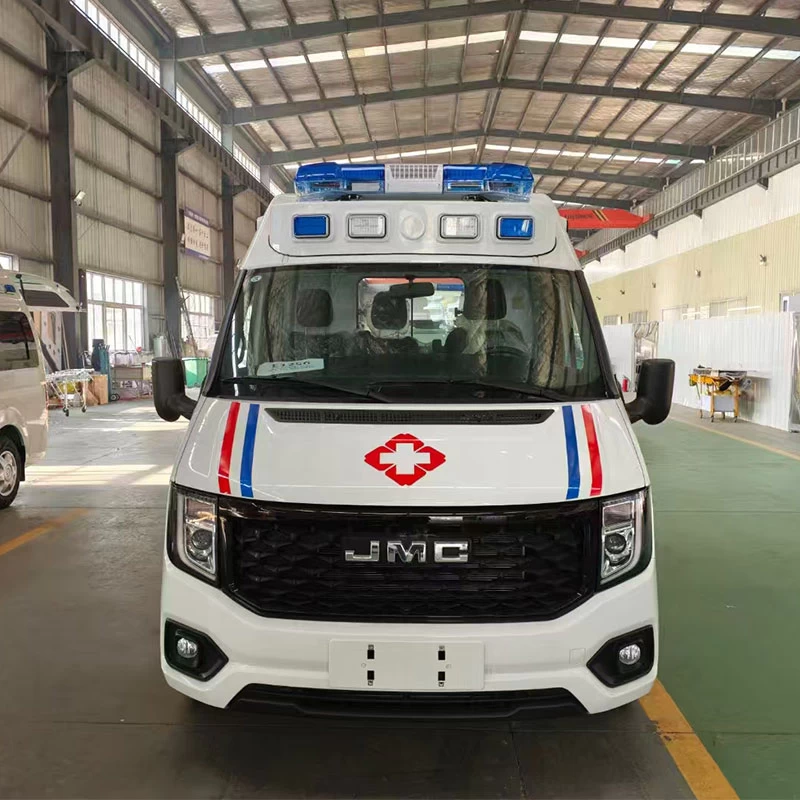
Ambulance passenger transport refers to specialized medical transportation designed not only for patients, but also for accompanying passengers such as caregivers, family members, or medical staff. This type of transport bridges the gap between emergency response and routine mobility, offering a controlled, medically prepared environment while accommodating multiple occupants safely.
In modern healthcare systems, patient movement is no longer limited to urgent emergencies. Scheduled transfers, post-treatment mobility, rehabilitation travel, and assisted non-critical transport all rely on ambulance passenger transport to ensure continuity of care without compromising comfort or safety.
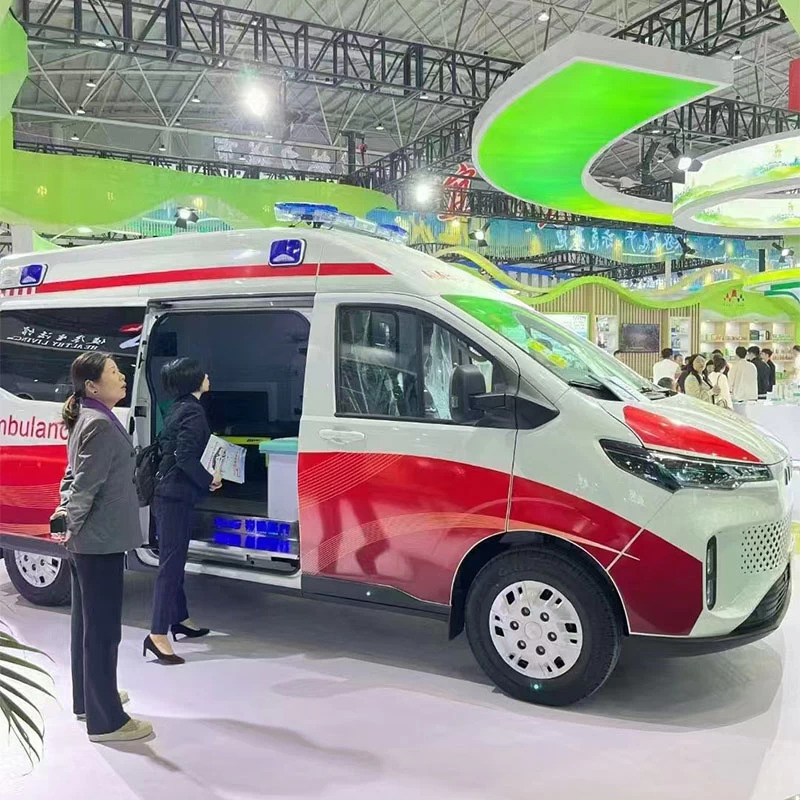
Vehicles configured for ambulance passenger transport are developed with a strong focus on interior organization and human-centered design. Every element inside the cabin supports efficient movement, monitoring, and communication.
These design choices ensure that both patients and accompanying passengers experience a secure and organized journey, even during longer-distance transfers.
Ambulance passenger transport is widely used across healthcare systems due to its adaptability. It supports both clinical and logistical needs without requiring full emergency deployment.
In many regions, this transport model improves efficiency by reducing the need for separate vehicles while maintaining medical readiness.
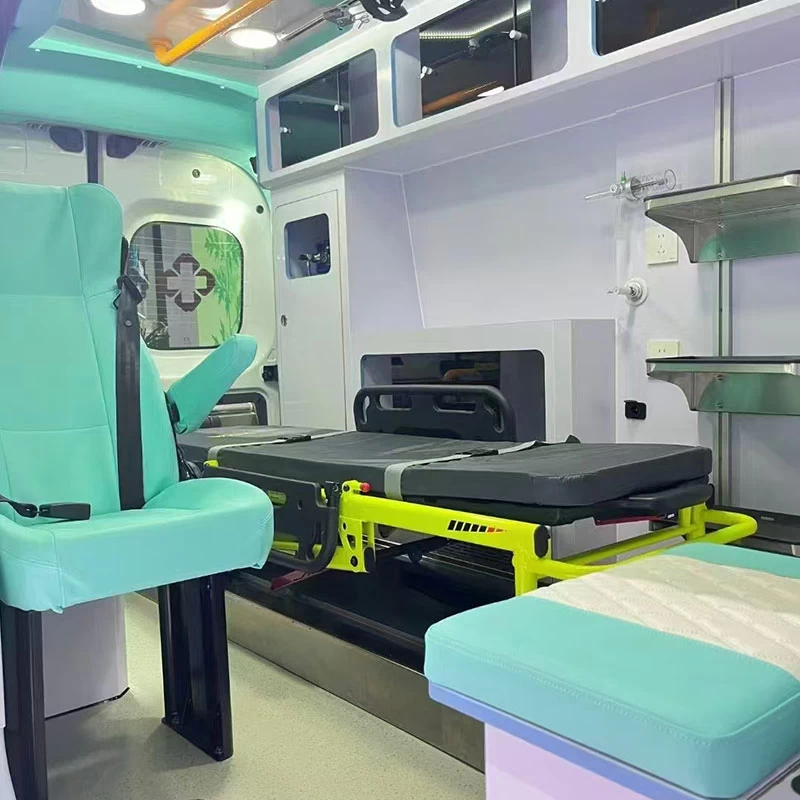
Choosing ambulance passenger transport offers distinct operational advantages. Unlike basic medical vehicles, these configurations balance patient care requirements with passenger accommodation, reducing logistical complexity.
One key advantage is flexibility. Operators can handle a broader range of transport tasks using a single vehicle type. This reduces fleet fragmentation and improves utilization rates. Additionally, the presence of trained medical personnel during transport enhances patient monitoring and reassures accompanying passengers.
From a safety standpoint, purpose-built passenger seating, reinforced anchoring systems, and regulated interior layouts significantly outperform improvised solutions. This translates into better compliance with medical transport standards and improved overall service quality.
While configurations vary based on intended use, ambulance passenger transport vehicles share several core technical characteristics. The following table outlines a representative specification range.
| Specification Item | Typical Configuration |
|---|---|
| Transport Type | Medical passenger transport vehicle |
| Passenger Seating | 2–5 seats with safety restraints |
| Patient Capacity | 1 stretcher or seated patient setup |
| Medical Power Supply | Auxiliary 12V / 24V electrical system |
| Climate Control | Independent front and rear air conditioning |
| Interior Height | Approx. 1,600–1,900 mm |
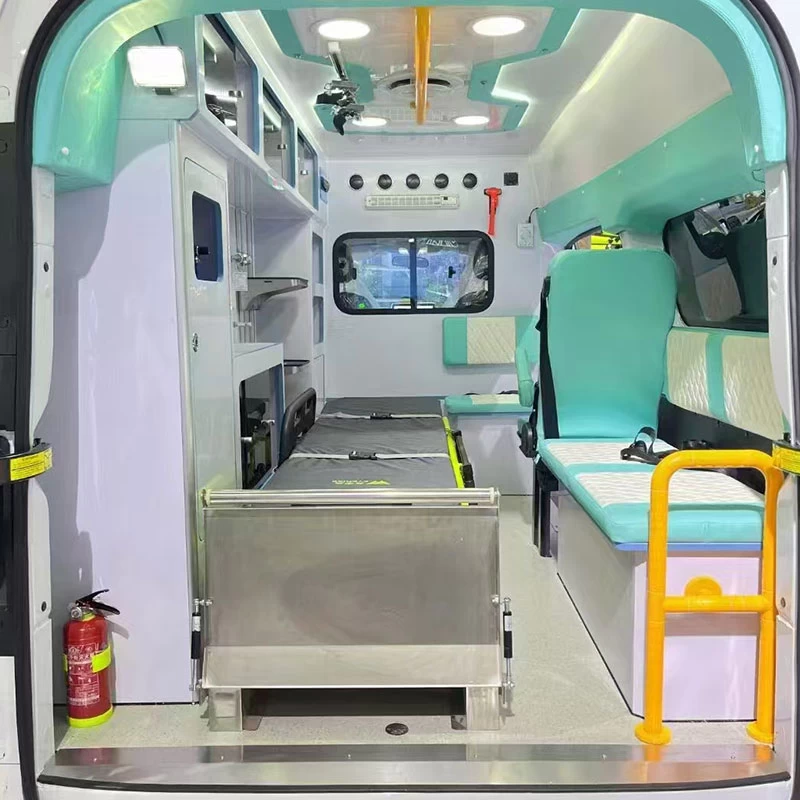
Safety is a defining factor in ambulance passenger transport operations. Anti-slip flooring, rounded interior surfaces, and clearly marked handholds help reduce movement risks. Secure seating ensures that passengers remain protected even during sudden stops or changes in speed.
Comfort also plays a critical role, particularly for long-distance or non-emergency journeys. Adjustable seating, controlled lighting, and effective temperature management contribute to a calmer environment, which can positively affect patient stability and passenger experience.
Ambulance passenger transport vehicles provide a practical and patient-focused approach to modern medical mobility. By combining medical readiness with structured passenger accommodation, they support a wide range of healthcare transport needs while maintaining safety and efficiency.
For organizations aiming to enhance their medical transport capabilities, selecting a vehicle configured specifically for ambulance passenger transport is a strategic step. Consulting with experienced technical providers can help ensure the final solution aligns with operational demands, regulatory expectations, and long-term service goals.