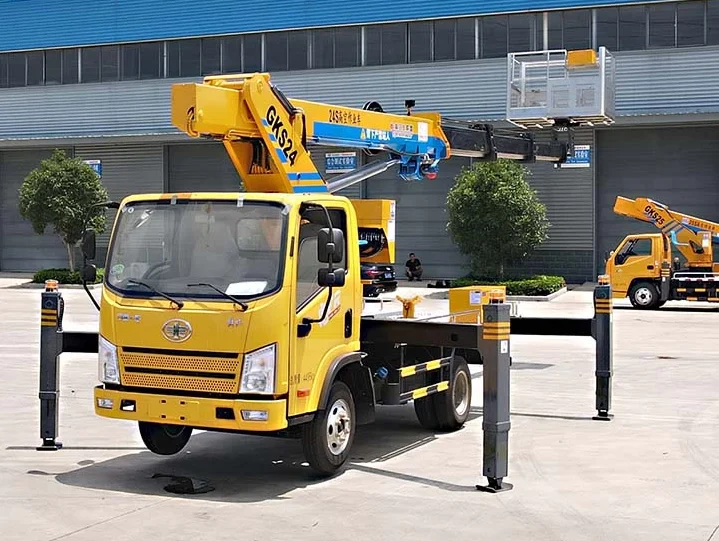
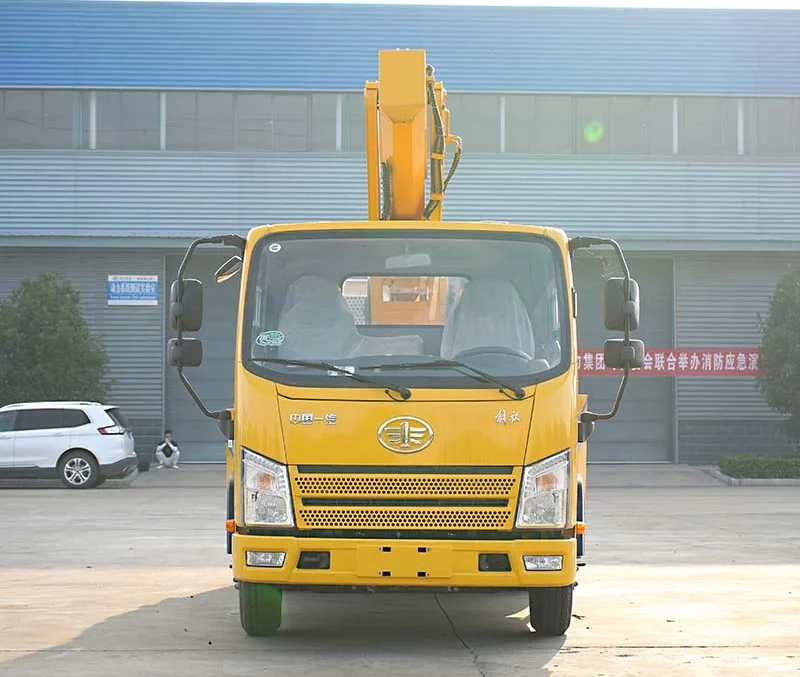
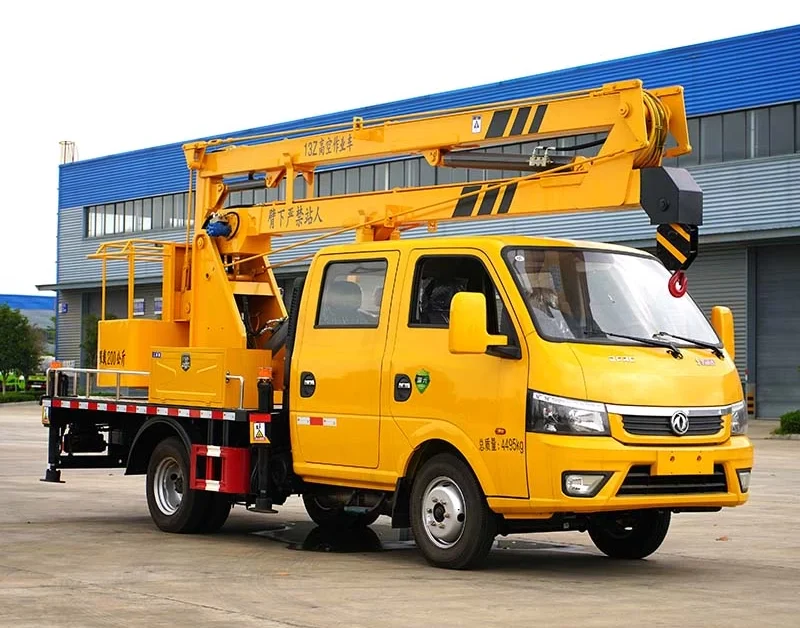
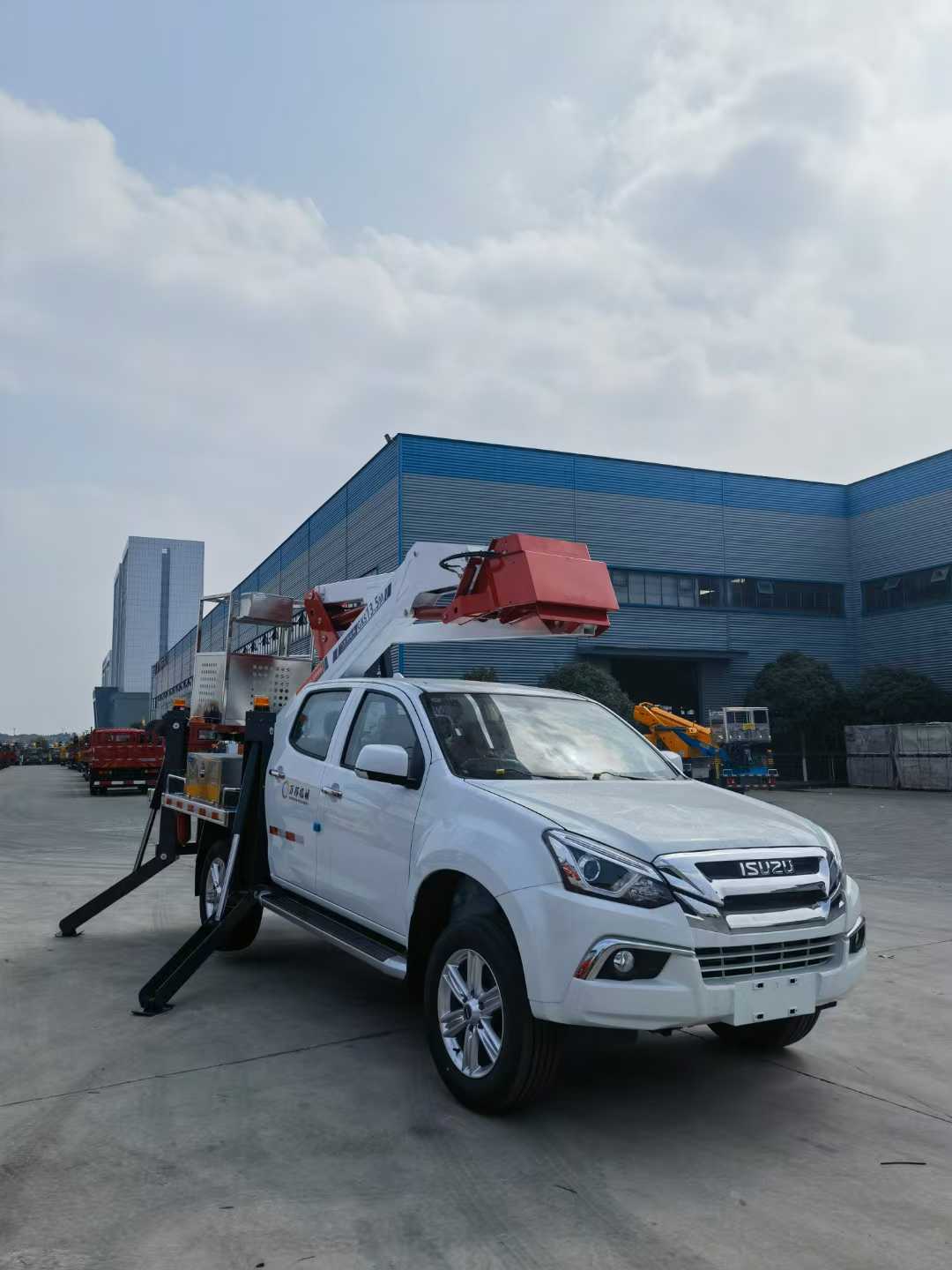
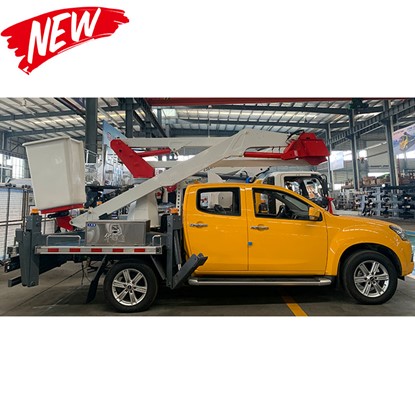
An **aerial work platform** (AWP) is a specialized piece of lifting equipment designed to elevate workers, tools, and materials to elevated work areas safely and efficiently. Whether used indoors for facility maintenance or outdoors on construction sites, an aerial work platform provides a secure, stable, and controlled means of accessing heights that would normally require scaffolding or ladders. Its mobility, operational simplicity, and enhanced safety features make it indispensable for industries that demand routine tasks above ground level.
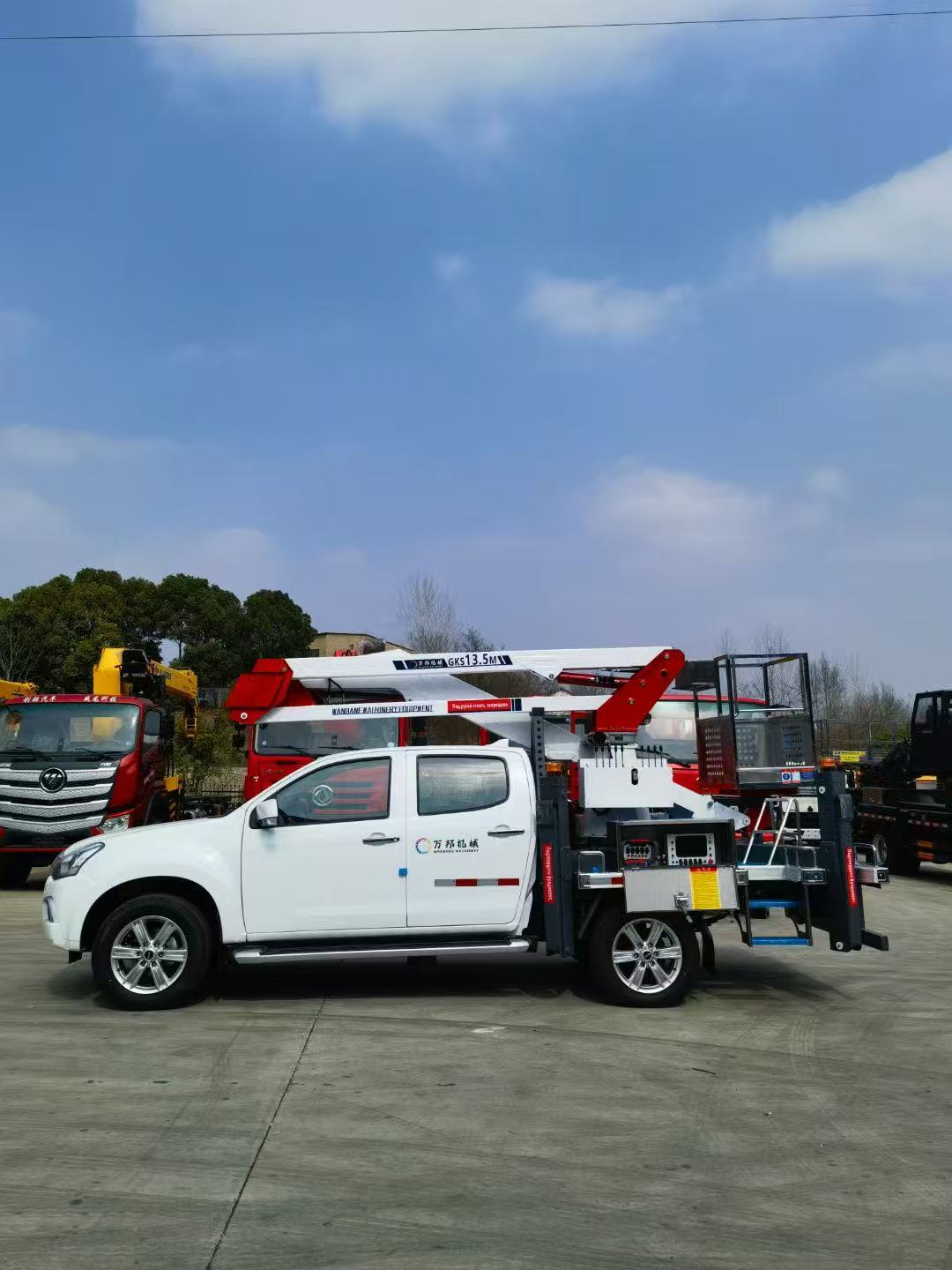
A reliable aerial work platform typically incorporates several essential features that improve safety, convenience, and versatility:
Aerial work platforms serve numerous industrial and commercial purposes, often replacing conventional scaffolding and ladders due to their mobility and speed.
Contractors use AWPs for installing steel frames, cladding, glazing, and conducting high-level inspections.
Indoor models with electric drive systems are ideal for repairing lighting fixtures, HVAC units, or signage inside malls, stadiums, and warehouses.
Boom-type platforms allow technicians to safely work on streetlights, telecom towers, and overhead cables.
Vertical lifts are used for inventory management, racking installation, and accessing elevated shelving systems.
AWPs allow crews to wash windows, restore facades, or perform high-reach cleaning in commercial buildings or industrial facilities.
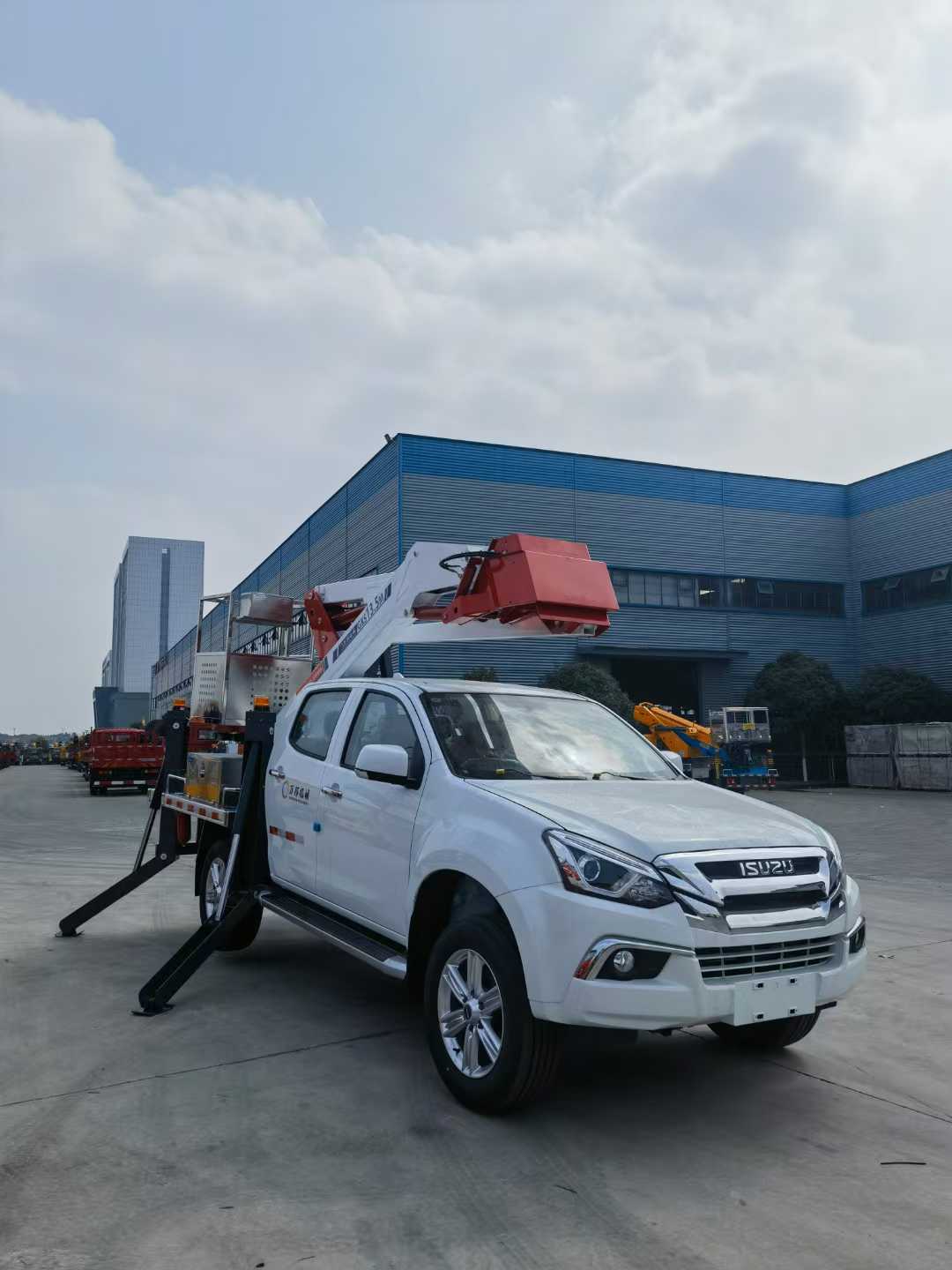
The adoption of an aerial work platform provides tangible benefits that improve productivity and reduce risks:
The following table represents a typical mid-range aerial work platform specification used in industrial maintenance or construction sites:
| Specification | Typical Value |
|---|---|
| Maximum Platform Height | 10–20 meters (varies by model) |
| Platform Capacity | 200–350 kg |
| Lift Type | Scissor or articulating/straight boom |
| Drive System | Electric or diesel, depending on application |
| Stowed Dimensions | Compact design for indoor and narrow-aisle access |
| Operational Controls | Proportional joystick controls with safety interlocks |
| Mobility | Self-propelled, towable, or truck-mounted options |
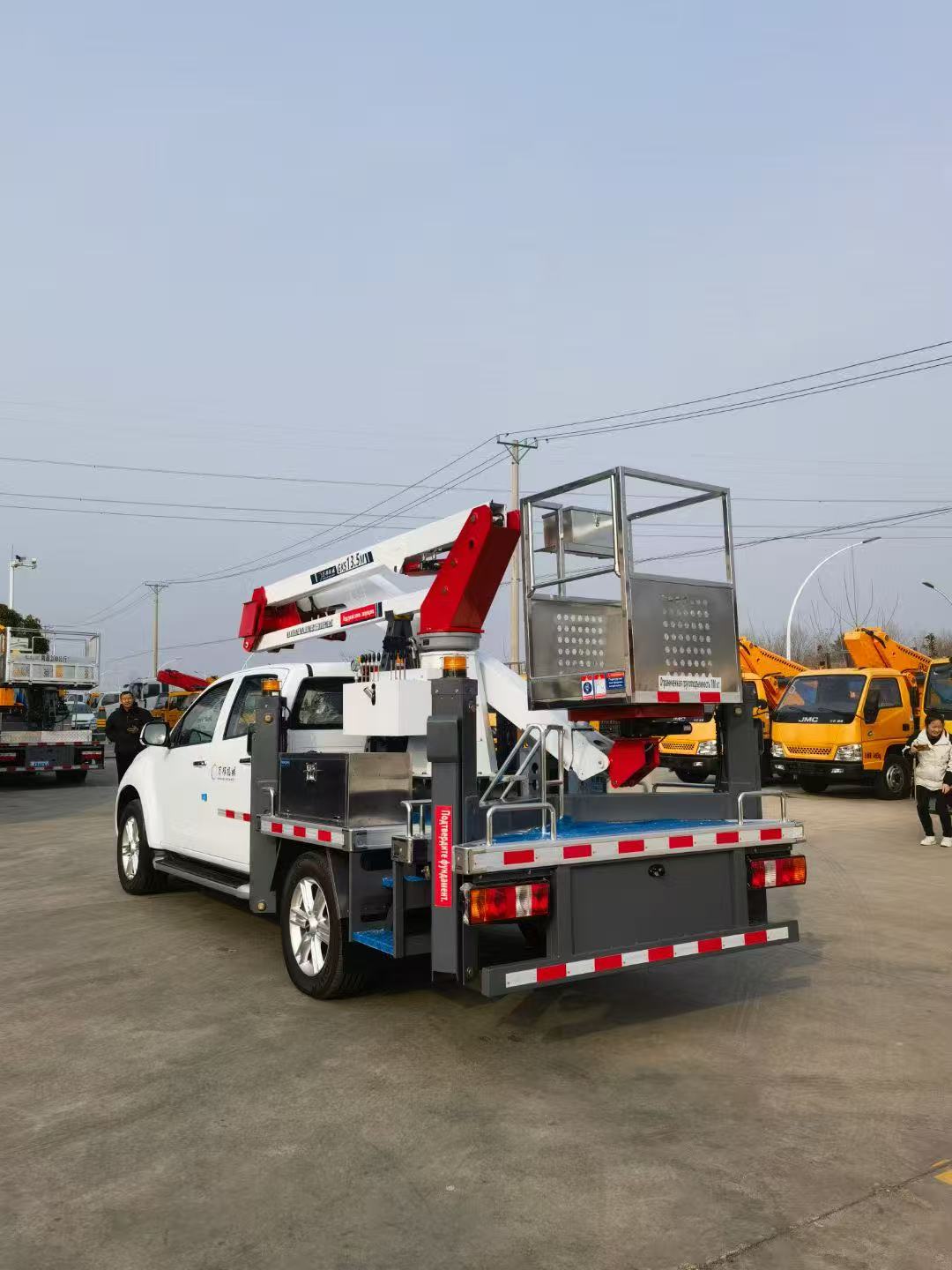
Before selecting an aerial work platform, it is essential to evaluate several performance and operational factors:
Height and Reach Requirements: Ensure the lift’s vertical reach and horizontal outreach match the intended job environment.
Indoor vs. Outdoor Operation: Electric models excel indoors due to quiet operation and zero emissions; diesel units suit rugged outdoor jobs.
Weight Capacity: Match platform load limits with tool weight and number of workers.
Ground Conditions: Rough-terrain models with stabilizers are needed for uneven or soft ground.
Regulatory Compliance: Confirm the equipment meets safety standards and local operational regulations.
Maintenance & Serviceability: Regular inspection of hydraulics, controls, and structural components ensures long-term performance.
An **aerial work platform** is a powerful and indispensable tool for industries requiring safe, reliable, and efficient access to elevated areas. Whether for construction, maintenance, installation, or facility management, an AWP dramatically improves safety and productivity compared to ladders or scaffolding.
If you’re planning to upgrade your equipment fleet or need guidance selecting the right AWP model for your operations, feel free to reach out for expert support or additional technical recommendations. A well-chosen aerial work platform can significantly enhance the efficiency and safety of your high-reach projects.