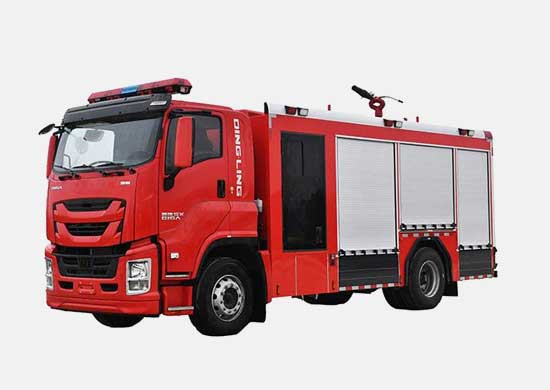
An aerial work platform lift is a versatile piece of equipment engineered to provide safe, efficient access to elevated areas. Whether your project involves construction, maintenance, facility servicing, or industrial installation, an aerial work platform lift offers controlled vertical reach and reliable stability. Unlike conventional ladders or fixed scaffolding, this lifting solution combines mobility, precision, and enhanced safety to transform how tasks at height are performed.
As productivity and safety standards rise across industries, the aerial work platform lift remains a foundational tool for professionals who need dependable access to elevated workspaces while minimizing risk and downtime.
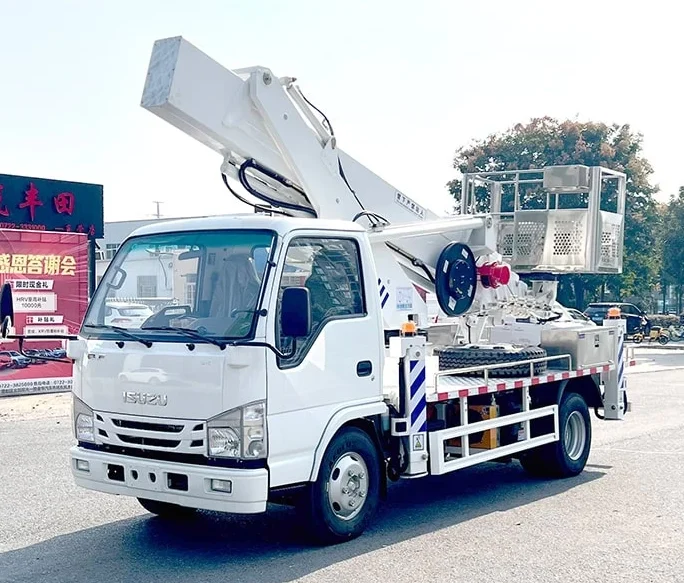
The core value of an aerial work platform lift lies in its ability to elevate workers and tools to the point of need with controlled motion and operator visibility. This equipment integrates robust lifting elements with intuitive control systems, providing volunteers, technicians, and contractors with a dependable mobile extension of the ground surface.
Aerial work platform lifts are engineered with safety features that protect both operators and bystanders. Guardrails, emergency stop switches, load sensors, and locking mechanisms work together to create a secure operating environment when you’re elevated above ground level. These built-in features not only improve compliance with industry safety standards but also reduce the risk of incident-related delays.
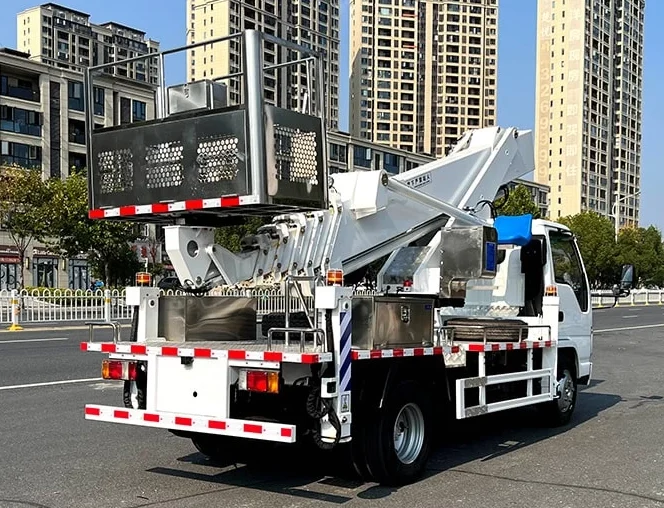
The aerial work platform lift is valued across a wide array of industries where work access above ground is frequent or unavoidable. Its mobility and ease of setup make it suitable for both short-term tasks and recurring elevated work.
In each of these scenarios, the mobility, safety, and control provided by an aerial work platform lift reduce project delays while improving operational confidence.
Compared with ladders, scaffolding, or makeshift platforms, an aerial work platform lift provides several strategic advantages that directly impact productivity and workplace safety. Its design supports both frequent relocations and extended operation without sacrificing stability.
These features make the aerial work platform lift a valuable investment for teams that frequently perform elevated tasks or operate across diverse worksites.
| Specification Category | Typical Range or Feature |
|---|---|
| Maximum Working Height | 10–30 meters |
| Platform Load Capacity | 200–300 kg |
| Lift Mechanism | Hydraulic or electric boom |
| Rotation Capability | Up to 360° (continuous or indexed) |
| Mobility Type | Self-propelled or chassis-mounted |
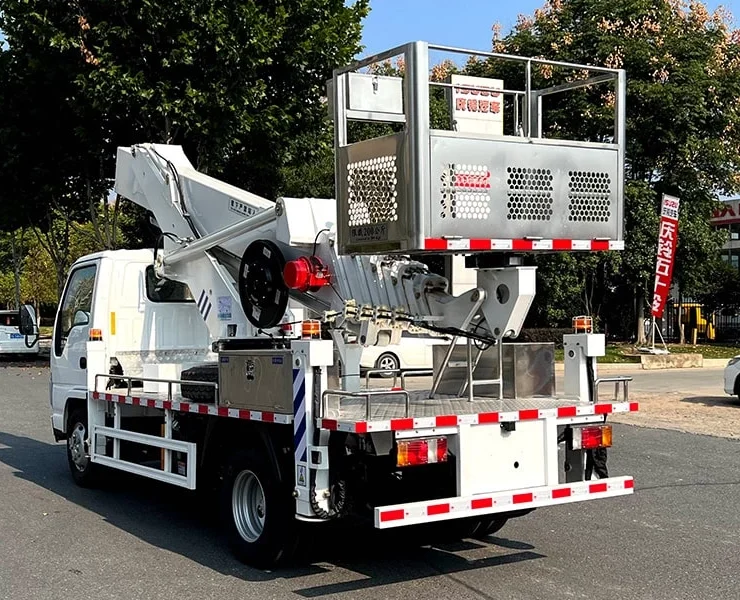
Understanding technical specifications helps ensure the aerial work platform lift you choose aligns with your operational demands. Maximum working height indicates how far above ground your tasks will be supported, while platform load capacity determines how much equipment and personnel can be elevated safely at once. Evaluating these metrics within the context of your project ensures both safety and efficiency.
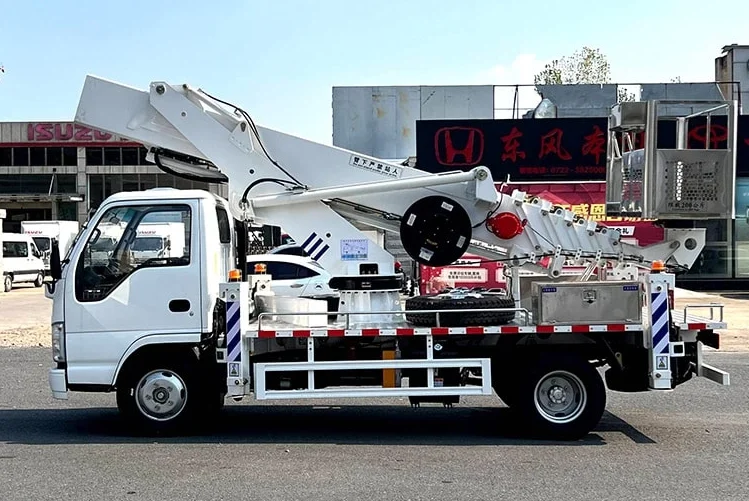
Choosing the optimal aerial work platform lift involves assessing how often elevated access is required and under what conditions. Consider asking the following when narrowing down your options:
Responding to these questions helps focus your decision on models that offer genuine value rather than unnecessary capacity.
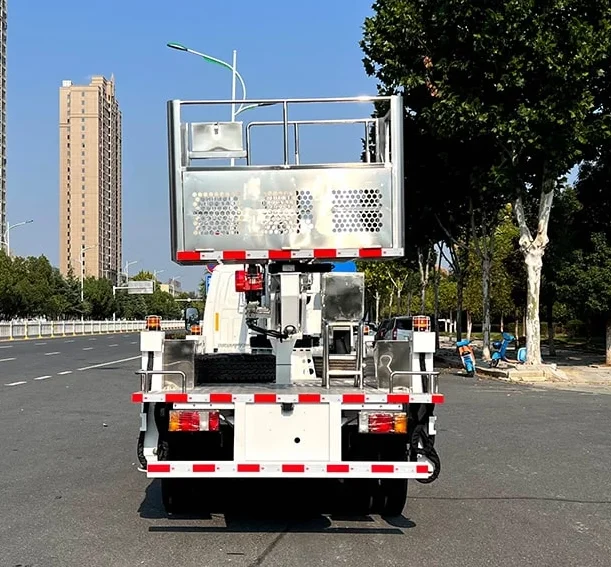
Investing in an aerial work platform lift unlocks a new level of productivity and safety for work at height. Its combination of adjustable reach, built-in safeguards, and operational mobility makes it an indispensable tool for modern job sites. Whether you’re leading complex construction projects or performing routine maintenance tasks, the right aerial work platform lift enhances both efficiency and peace of mind.
When considering your next elevated access solution, take time to match specifications with real jobsite demands. Thoughtful evaluation and professional advice ensure the aerial work platform lift you choose delivers reliable performance while meeting your long-term operational goals.