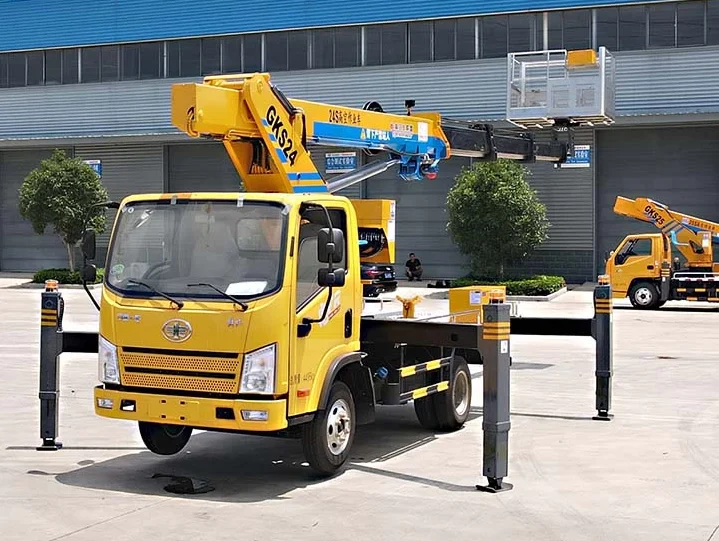
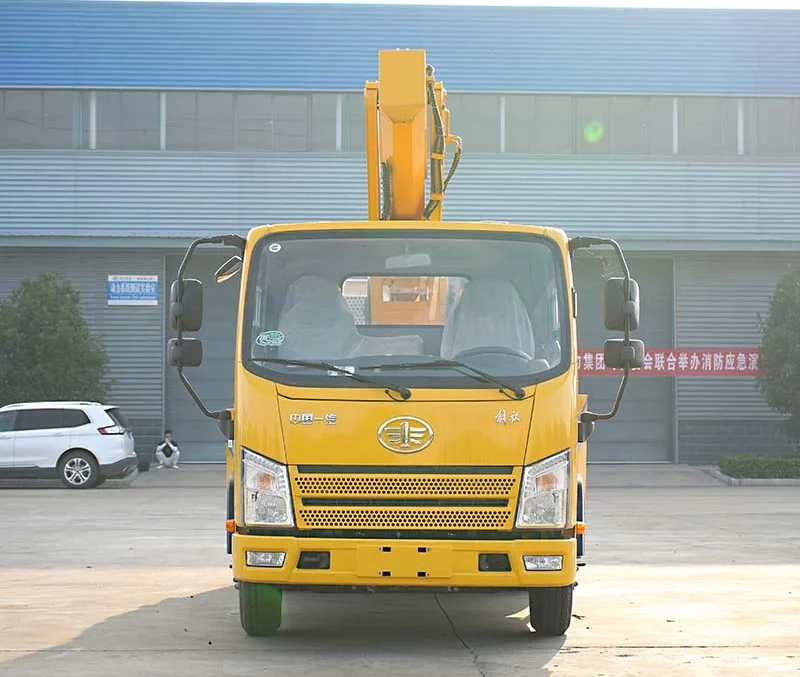
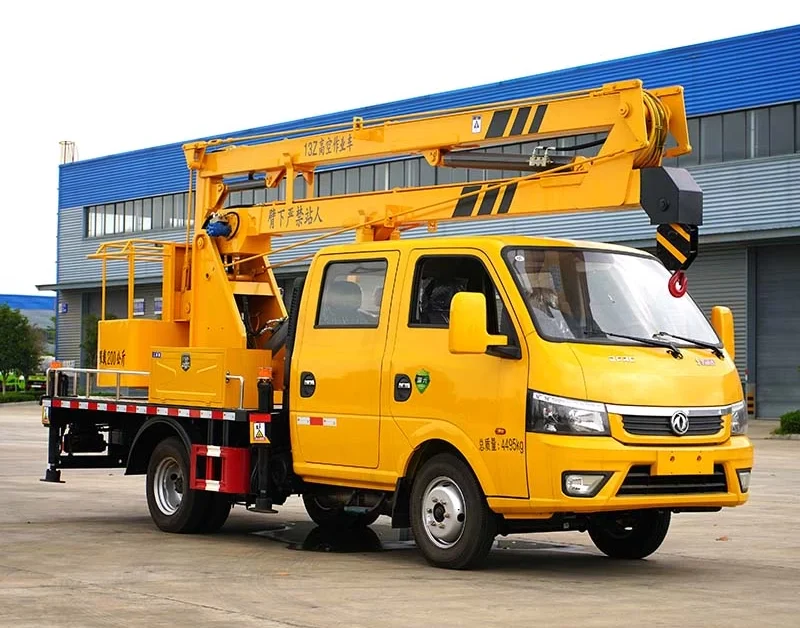
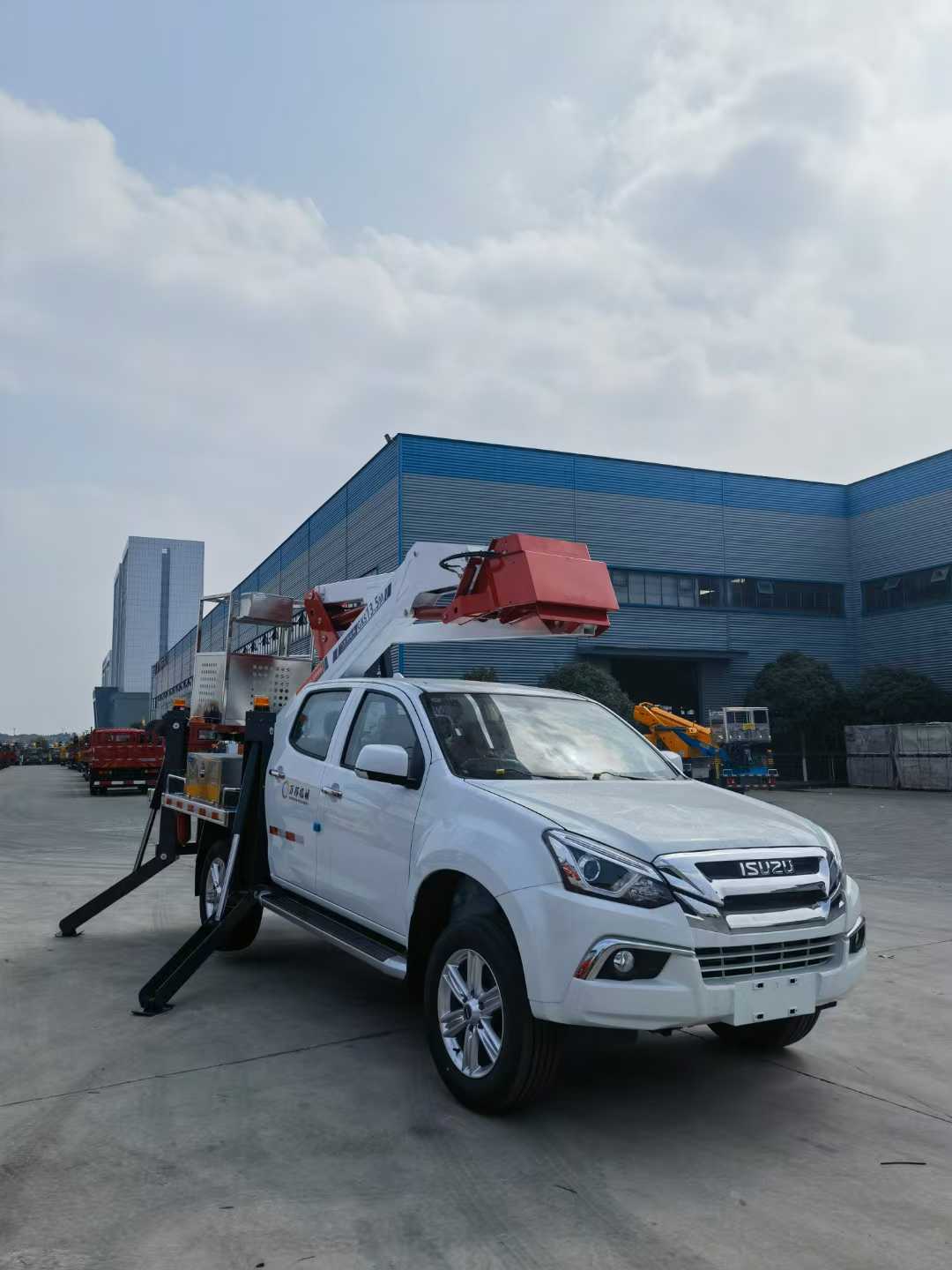
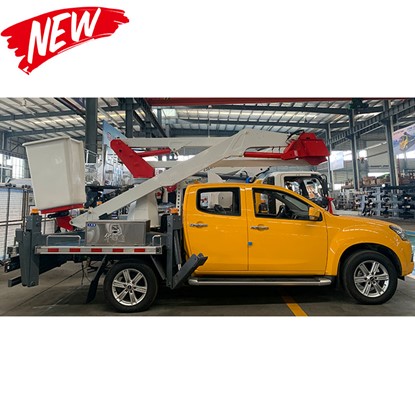
An aerial platform lift is a specialized elevation system designed to safely position workers and tools at various heights. Unlike traditional ladders or stationary scaffolds, this equipment offers mobility, stability, and rapid setup, allowing crews to complete overhead tasks with greater efficiency. The technology behind these lifts continues to evolve, resulting in smoother control systems, improved safety mechanisms, and adaptable configurations suitable for both indoor and outdoor applications.
From facility maintenance to large-scale construction, aerial lifts are now considered essential equipment. Their ability to navigate narrow spaces, handle elevated tasks, and reduce worker fatigue has transformed how industries approach work performed above ground level.
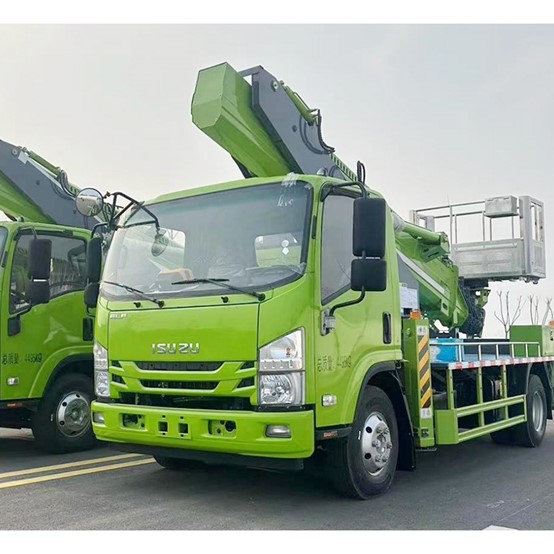
The practicality of an aerial platform lift is most visible in industries that demand regular height access. These lifts support:
Construction workflows, including roofing, façade work, duct installation, and interior finishing.
Electrical and utility maintenance, aiding technicians in repairing overhead lines, lights, and power systems.
Industrial and warehouse operations, where equipment inspections and upper-level inventory access require safe elevation.
Event and exhibition setup, where lighting rigs, banners, and stage structures are installed at considerable heights.
Commercial property management, such as high-window cleaning, building signage repair, and exterior upkeep.
Transportation hubs, including airports and ports that rely on lifts for infrastructure inspections and repairs.
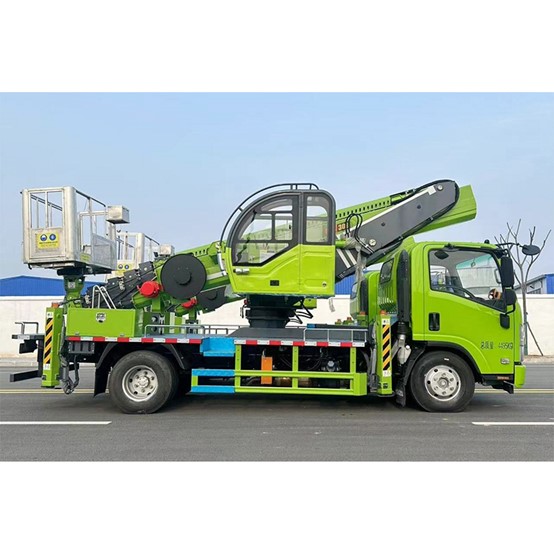
Built with reinforced platforms and advanced balance controls, aerial lifts create a safer environment compared to ladders or makeshift platforms.
Aerial lifts require minimal preparation, allowing workers to reach the targeted height quickly without assembling large structures.
Operators experience less fatigue due to mechanical lifting, which increases productivity on long workdays.
With models designed for rough terrain, indoor floors, and narrow aisles, these lifts can be deployed in almost any operational setting.
Their efficiency, durability, and reduced labor requirements contribute to lower operational expenses over time.
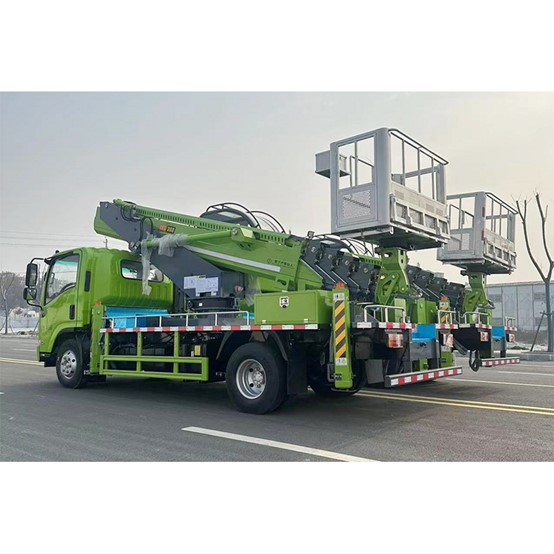
Below is a technical summary of common specifications associated with a standard aerial platform lift. These ranges reflect typical entry-level or mid-range models:
| Specification | Typical Values |
|---|---|
| Max Working Height | 6–20 m |
| Rated Load Capacity | 200–400 kg |
| Power Mode | Electric / Diesel / Hybrid |
| Platform Dimensions | 0.8–2.2 m wide |
| Drive Configuration | 2WD or 4WD |
| Climbing Ability | 20%–40% |
| Control Method | Proportional hydraulic or electric |
An aerial platform lift delivers a dependable and practical solution for tasks that require safe elevation. Its combination of mobility, precision, and safety-oriented engineering enables organizations to approach high-level work with confidence. Whether the goal is to streamline maintenance routines, support construction operations, or enhance operational safety, choosing the right lift model can drastically improve workflow efficiency.
If you would like assistance comparing different lift types or identifying a configuration that suits your project, feel free to reach out. Expert guidance can help ensure you select the most effective and reliable lift for your operational needs.